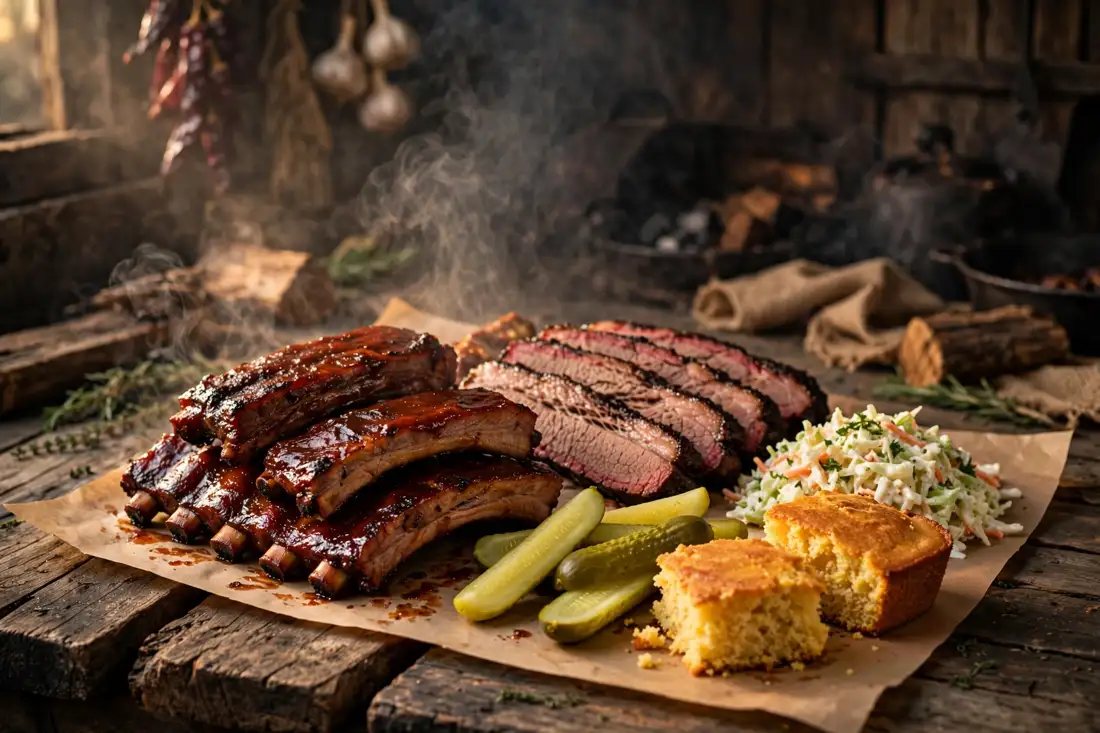
The search for the best BBQ in Los Angeles reveals a scene shaped by migration, creativity, and California’s own grilling traditions. LA has no native barbecue style, but it has something equally valuable: pitmasters from Texas, the Carolinas, and Kansas City who brought their traditions west, plus the Santa Maria tri-tip tradition from the Central Coast and a creative dining culture that encourages experimentation. From Central Texas brisket to Santa Maria barbecue to Korean-influenced smoke, this guide covers LA’s diverse BBQ landscape.
What makes LA barbecue interesting is its eclecticism. A single weekend can include Texas-style brisket, Carolina pulled pork, Santa Maria tri-tip cooked over red oak, and smoked meats with Korean or Mexican influences. The city’s food culture rewards this mixing, and the best smokehouses embrace it while respecting the fundamentals: wood, smoke, time, and patience.
Central Texas Style in LA
Texas-style barbecue dominates LA’s serious smokehouse scene. Brisket seasoned with salt and pepper, smoked over oak until the bark is dark and the fat renders. Beef ribs, house-made sausage, turkey with crisp skin. Sauce on the side or not at all. The best LA practitioners trained in Texas and brought its creed west: great meat needs no adornment.
Judging Texas-style BBQ starts with brisket. Look for dark bark, visible smoke ring, meat with gentle pull rather than mush, and rendered fat. The best LA brisket rivals Texas itself, a remarkable achievement given the distance from the tradition’s home. Our guide to the Texas BBQ road trip guide maps the pilgrimage to the source.
Santa Maria Barbecue: California’s Own
Santa Maria barbecue, from California’s Central Coast, is the state’s native grilling tradition: tri-tip seasoned with salt, pepper, and garlic, grilled over red oak, served with pinquito beans, salsa, and garlic bread. Several LA-area spots honor this tradition, offering a taste of California BBQ heritage. Tri-tip, once obscure outside the Central Coast, is now beloved statewide thanks to this tradition.
Carolina, Kansas City, and Beyond
LA’s barbecue diversity includes Carolina pulled pork with vinegar sauces, Kansas City burnt ends with sweet glaze, and Memphis dry-rub ribs. Each tradition has its partisans, and the best BBQ crawls sample across styles. This variety is LA’s strength; few cities offer this breadth of authentic regional BBQ.
The supporting meats matter too. Pulled pork should be smoky with crisp bark bits. Burnt ends should be caramelized and intense. Sausage should snap. Turkey should be juicy with rendered skin. At the best joints, every meat on the menu earns its place. For the East Coast scene, our guide to the best BBQ in New York covers NYC’s smokehouses.
Korean and Mexican Influences
LA’s immigrant communities have enriched its barbecue uniquely. Korean-influenced smokehouses offer galbi-style short ribs, spicy pork, and kimchi sides alongside traditional smoked meats. Mexican-influenced spots bring al pastor techniques to the smoker and serve smoked meats in tacos. These fusions feel natural in LA, where culinary boundaries are gloriously porous.
The best fusion BBQ respects both traditions. Smoke technique stays true to BBQ fundamentals while flavors draw on Korean or Mexican pantries. The results are distinctive and delicious, offering experiences unavailable elsewhere. Our guide to the best tacos in Los Angeles explores the taco side of this exchange.
Sides and Desserts
Great sides complete great BBQ. Mac and cheese, collard greens, baked beans, coleslaw, cornbread, pickles. LA’s best joints make sides from scratch with the same care as meats. Banana pudding and pecan pie provide classic finales. Order family-style to share broadly. For more Southern food, our guide to the southern comfort food tour explores the roots.
BBQ Neighborhoods in LA
LA’s smokehouses scatter across the sprawl. The Eastside has pioneering joints, the Valley hides beloved institutions, the Westside offers polished options, and South LA has historic BBQ traditions worth exploring. Each area’s scene reflects its community, and discovering them requires driving, fitting for a cuisine born of road trips.
The telltale sign of a serious joint is the smell of real wood smoke. If you cannot smell the smoker, manage expectations. Arrive early; barbecue sells out, and the best meats go first. Weekend afternoons see the longest lines and the emptiest trays. Complete your LA meat tour with our guides to the best burgers in Los Angeles and best steak in Los Angeles.
How to Order BBQ in LA
Order by weight at serious smokehouses: a half-pound each of two or three meats, plus shared sides. Ask the cutter what looks best; they know which brisket rested perfectly. Sauce on the side for tasting. Save room for sides and dessert. And go early; the best barbecue is a finite daily batch.
Embrace the tray-service format at most joints: slide along the counter, point at meats, carry your tray to communal tables. It is casual, communal, and part of the experience. Cash is rarely required anymore, but the spirit remains old-school. For more meat knowledge, our guide to the Kansas City BBQ rankings covers another great BBQ city.
As we delve into the vibrant and varied barbecue scene of Los Angeles, it’s evident that the city’s culinary landscape is defined by the influences of diverse cultures and traditions. This same eclectic spirit permeates the food scene in other major urban centers, notably in Chicago, where the quest for the finest flavors leads many to discover the rich tapestry of taco offerings. From the authentic taquerias in Pilsen to innovative culinary spots that reinterpret classic recipes, Chicago’s taco scene is a reflection of its own cultural melting pot. For those eager to explore this flavorful journey, the best tacos in Chicago await, showcasing how cities across America celebrate and innovate their food traditions, much like the barbecue havens of Los Angeles. Each bite tells a story of migration, adaptation, and the relentless pursuit of culinary excellence.
As Los Angeles continues to redefine its barbecue identity through a melting pot of regional influences and innovative culinary practices, it mirrors the dynamic food scene found in other major cities across the United States. For instance, Miami boasts its own vibrant tapestry of flavors, particularly in the realm of tacos, where traditional Mexican techniques intermingle with local ingredients and cultural nuances. This rich diversity not only enhances the dining experience but also highlights the unique ways in which different cities celebrate their culinary heritages. To explore some of the standout spots for the best tacos in Miami, one can appreciate how both cities exemplify the creative spirit of American cuisine, each carving out its own niche while simultaneously honoring the traditions that inspire them.
As you traverse the vibrant culinary landscape of Los Angeles, where smoke and spice intertwine to create a symphony of flavors, it’s important to recognize that this eclecticism is not unique to barbecue alone. Much like the rich tapestry of smoked meats found in LA, other cities are honing their own distinctive food identities that celebrate cultural influences and local traditions. For instance, if you find yourself exploring the heart of Texas, you might stumble upon Houston’s burgeoning pasta scene, where chefs craft handmade noodles that reflect both Italian heritage and local flair. Discovering the best pasta in Houston offers a parallel journey through a city that is equally committed to elevating its gastronomic offerings, inviting food lovers to indulge in a fusion of flavors that are as diverse as the city itself.
Smoking at Home: Getting Started
Inspired to smoke at home? Start simple. A kettle grill with indirect heat and wood chunks produces excellent results for beginners. Pork shoulder is forgiving; brisket is advanced. Invest in a good thermometer; temperature control matters more than equipment price. Patience is the essential ingredient.
Wood choice shapes flavor. Oak is versatile and traditional for Texas styles. Hickory brings bold smokiness. Fruit woods like apple and cherry offer sweetness. Mesquite is intense; use sparingly. LA’s climate allows year-round smoking, a genuine advantage. Start with one wood and learn its character before experimenting.
The Stall and the Wrap
Every new pitmaster meets the stall: hours where brisket temperature refuses to rise as moisture evaporates. Do not panic. Either push through unwrapped for better bark, or wrap in butcher paper to power through. This Texas crutch technique preserves moisture while maintaining bark better than foil. Understanding the stall separates frustration from mastery.
BBQ Competitions and Culture
LA hosts barbecue competitions where pitmasters showcase their craft. These events offer tasting opportunities and education; watching competitors work teaches technique. The community is welcoming to newcomers. Ask questions, taste broadly, and appreciate the obsession.
Competition BBQ differs from restaurant BBQ: one perfect bite versus consistent plates. Both have value. The techniques cross-pollinate, raising standards everywhere. Our guide to the Kansas City BBQ rankings covers the competition capital, while our Memphis BBQ trail guide maps another pilgrimage.
Smoked Meats Beyond BBQ
LA’s delis and global kitchens smoke meats in diverse traditions. Pastrami, cured and smoked, is a Jewish deli art that LA does superbly. Smoked fish, from salmon to whitefish, graces bagel platters. These traditions intersect with BBQ culture deliciously; smoke is universal.
Exploring smoked meats broadly deepens BBQ appreciation. Each tradition brings techniques and flavors. The best eaters follow smoke wherever it leads. Our guide to the NYC bagel shop rankings covers the bagel-and-lox tradition, while our best burgers in New York guide shows smoke’s cousin, the griddle.
Central Coast Tri-Tip at Home
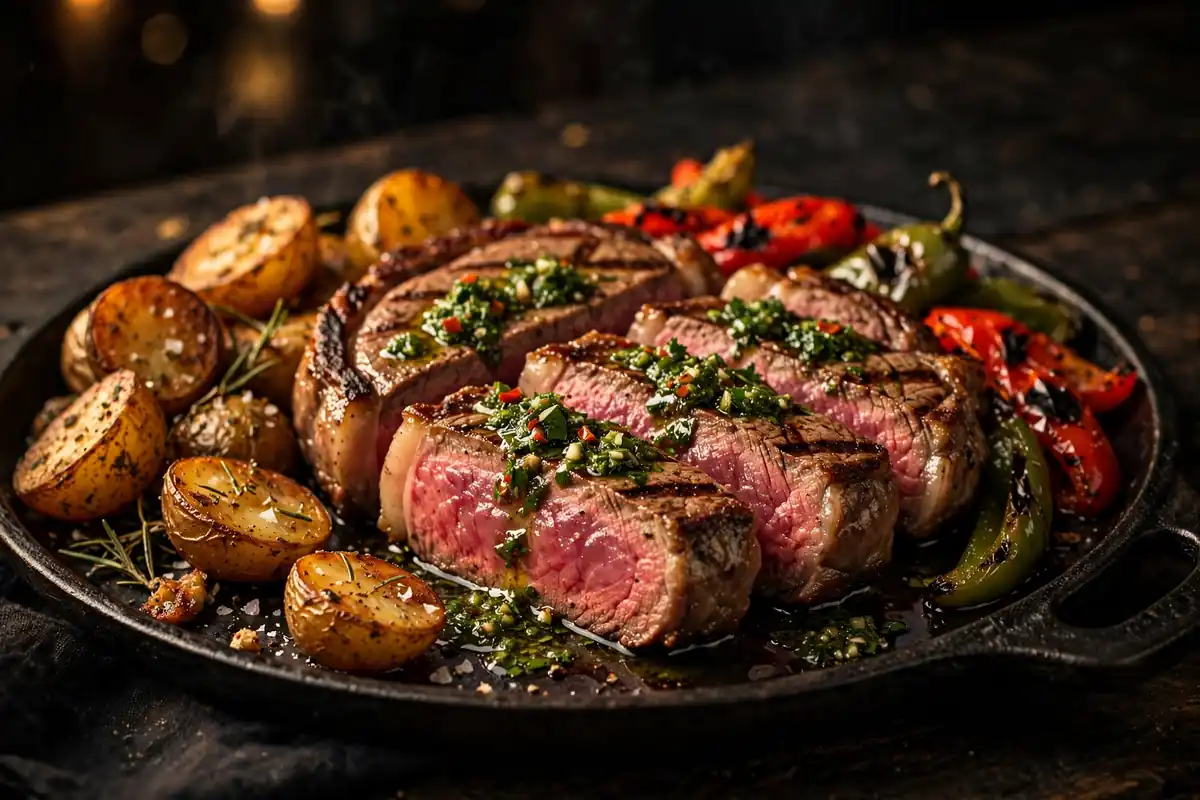
Santa Maria-style tri-tip is achievable on any grill. Season generously with salt, pepper, garlic. Grill over direct heat for sear, then indirect to medium-rare. Rest properly, slice against the grain. Serve with pinquito beans, salsa, garlic bread for the full experience. It is California BBQ heritage on your patio.
What makes tri-tip special is its beefy flavor and forgiving nature. It is harder to ruin than brisket, quicker than ribs, impressive for guests. The Santa Maria tradition proves great BBQ does not require 16 hours; it requires good meat, proper fire, and simple seasoning. Our guide to the California wine country dining pairs tri-tip with wine country adventures.
Smoked Desserts: Unexpected Endings
Adventurous smokehouses offer smoked desserts: smoked chocolate, grilled peaches, bourbon bread pudding. Smoke adds intriguing depth to sweets when used judiciously. These are conversation pieces as much as desserts. The best smoked desserts balance smoke with sweetness; too much smoke overwhelms. Try them when offered; they expand your understanding of what smoke can do.
BBQ Rubs: Building Bark
Great bark starts with the rub. Salt and pepper alone create classic Texas bark; the simplicity lets meat and smoke shine. More complex rubs add paprika, garlic, brown sugar for sweetness and color. Apply generously; much falls off during cooking. Rest the rubbed meat to let salt penetrate. The rub forms the bark’s foundation through hours of smoke.
What makes exceptional bark is the interplay of rub, smoke, and time. The Maillard reaction and smoke deposition build flavor layers. Spritzing with apple cider vinegar during cooking keeps the surface moist for better smoke adhesion. These techniques separate good bark from great. Practice and patience develop instinct.
Resting Meat: The Final Step
Resting smoked meat is non-negotiable. Brisket needs at least an hour, preferably two, wrapped in butcher paper in a cooler. This redistributes juices and finishes tenderizing. Slicing too early spills precious moisture. The best smokehouses rest religiously; home cooks should too. Patience at the end rewards patience throughout.
Conclusion
The best BBQ in Los Angeles proves that great smoked meat thrives on technique and passion, not geography. From Texas brisket to Santa Maria tri-tip to Korean-influenced innovations, LA’s barbecue scene offers remarkable diversity. Arrive hungry, order broadly, and respect the bark. In a city that adopts every cuisine, barbecue has found a delicious California home.
Whether you are a local or just visiting, exploring the food scene is one of the best ways to experience the culture and character of any American city. Take your time, try something new, and enjoy every bite of your culinary adventure.