Boston’s cold winters were made for ramen, and the best ramen in Boston turns freezing evenings into cozy opportunities. The city’s ramen scene has grown impressively, with dedicated shops simmering broths for 18 hours, making fresh noodles, and building passionate followings. From bustling counters near universities to quiet neighborhood gems, great bowls are scattered across the metro area waiting to be discovered.
This guide explores the ramen styles thriving in Boston, the neighborhoods where the best bowls hide, and how to order and eat like an insider. Noodle lovers should also check our best ramen in New York and best ramen in Seattle guides for more great bowls across America.
What Makes the Best Ramen in Boston Special
The best ramen in Boston is built on dedication that defies the city’s distance from Japan. Shop owners commit to the long, laborious processes that define great ramen: pork bones boiled for the better part of a day, tare seasonings balanced with precision, noodles made fresh or sourced from top suppliers, toppings prepared with care. That commitment shows in every bowl, and Boston’s knowledgeable diners reward it with loyalty.
The scene balances tradition and local character beautifully. Many shops honor classic Japanese techniques learned through serious training, while others incorporate New England touches or creative twists. The cold climate makes rich, hearty bowls especially appealing, and the city’s ramen shops lean into that comfort. Whether traditional or inventive, the best bowls share a foundation of skill and patience.
Tonkotsu: Rich and Satisfying
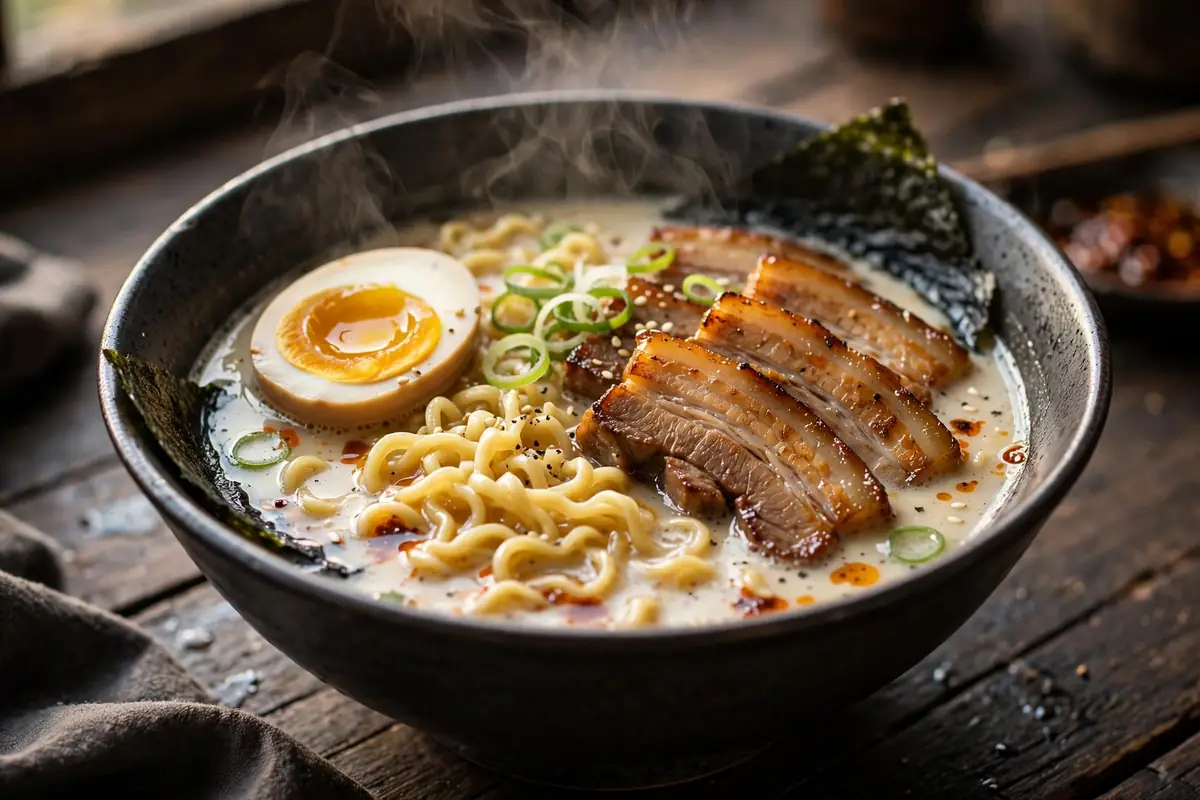
Tonkotsu is Boston’s most beloved ramen style, and the city’s best versions are deeply comforting. The pork-bone broth, boiled hard for 14 to 20 hours, turns creamy and opaque with rich, complex flavor. Standard toppings include tender chashu, wood ear mushrooms, pickled ginger, scallions, and nori. Customization options for noodle firmness and richness let you dial in your perfect bowl.
Great tonkotsu tastes layered, not just fatty, with a porkiness that unfolds as you eat. Boston’s top shops achieve this through careful bone selection and temperature control. On a freezing winter night, a great tonkotsu bowl is one of life’s great comforts. It is no wonder the style dominates.
Miso, Shoyu, and Shio
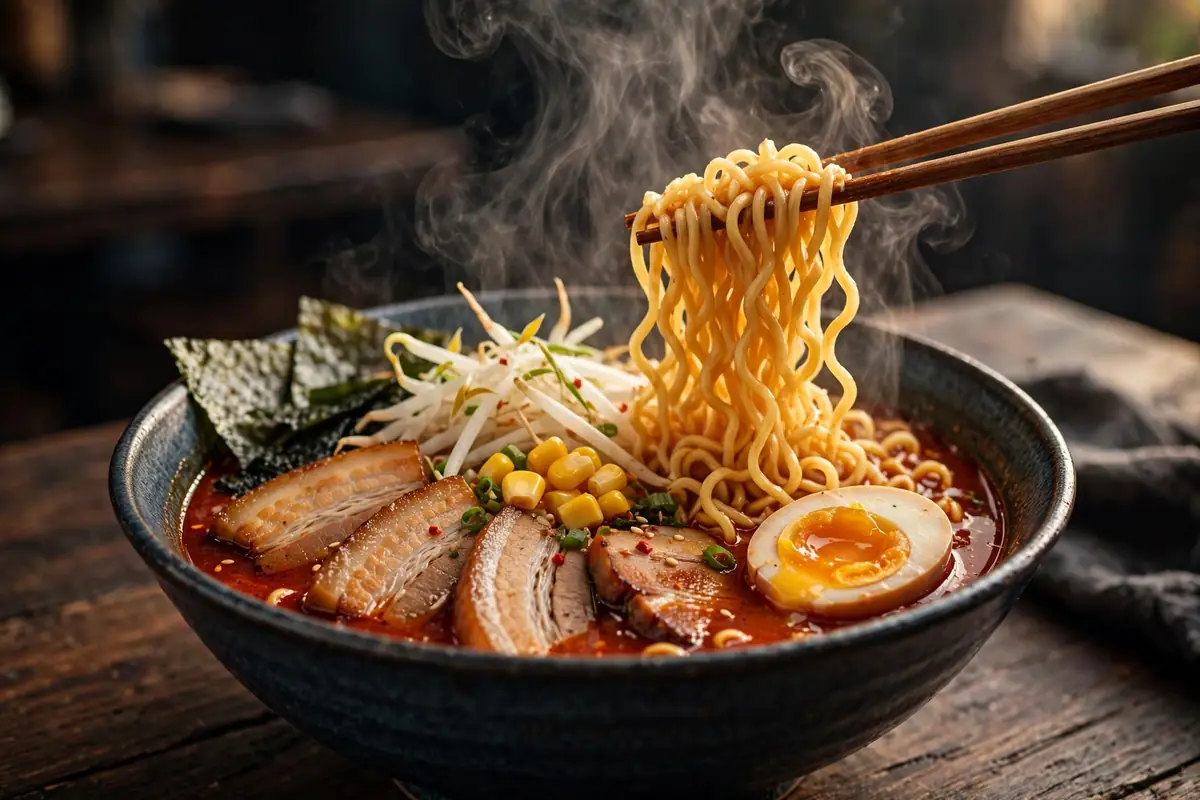
Miso ramen’s bold, hearty character suits Boston winters perfectly, especially with additions like butter, corn, and bean sprouts. Shoyu ramen offers lighter, aromatic pleasure with its clear, soy-seasoned broth. Shio, the most delicate style, showcases precision with a clean salt-based broth. Each has devoted fans, and trying all three is the best education.
Many ramen lovers start with tonkotsu and gradually appreciate the subtler styles. Boston’s best shops often specialize, so learn which is known for what. The variety keeps the scene interesting year-round. Our best sushi in Boston guide covers more Japanese dining.
Spicy Ramen Options
Spicy ramen has a devoted Boston following, with shops offering everything from gentle chili warmth to genuinely fiery bowls. Spicy miso and tantanmen, with its sesame-chili broth and seasoned pork, are highlights. The heat cuts through winter chill beautifully. Start moderate and work up; some bowls are seriously hot.
Neighborhoods for Great Ramen
Allston and Brighton, with their student populations and Asian markets, host several excellent ramen shops. The affordable, satisfying bowls suit the neighborhood perfectly, and the competition keeps quality high. It is a natural starting area for ramen exploration, especially for younger diners.
Cambridge’s ramen scene benefits from university-area adventurous eaters who reward authenticity and quality. Several outstanding shops cluster near the universities, drawing devotees from across the metro. The intellectual energy extends to noodle appreciation. For more area dining, see our best pizza in Boston guide.
Downtown, Back Bay, and the South End
Central Boston’s ramen shops serve office workers, shoppers, and theater crowds with quick, satisfying bowls. These convenient locations make ramen accessible for lunch and pre-show dinners. The South End’s options lean slightly more upscale. Quality is solid across the center.
Brookline and Beyond
Brookline and the inner suburbs have excellent ramen shops that locals treasure, often with shorter waits than the famous names. Exploring beyond the city center reveals the scene’s full depth. These neighborhood spots prove that great ramen follows passionate chefs wherever they open.
How to Order and Eat Ramen
Choose your broth style first, then customize thoughtfully. Most shops ask about noodle firmness; firm (“katame”) keeps noodles springy longest. Garlic, spice, and extra toppings personalize your bowl, but taste the chef’s intended version first. Restraint leads to better discoveries on initial visits.
Eat quickly and with enthusiasm. Slurping cools noodles, aerates broth, and is entirely proper. Work through noodles at peak texture, enjoy toppings, and finish by sipping broth from the bowl. A great bowl deserves 15 to 20 focused minutes. For more comfort food, check our best burgers in Boston guide.
Essential Toppings
Chashu should be tender enough to cut with chopsticks. Ajitama, the marinated egg with its jammy yolk, is almost always worth adding. Nori, menma, and narutomaki add flavor, crunch, and color. Corn and butter transform miso ramen into Hokkaido-style indulgence. Learn your favorites and order with confidence.
Vegan and Vegetarian Ramen
Boston’s plant-based ramen scene is strong, with chefs building deep broths from mushrooms, kombu, and roasted vegetables. These bowls satisfy even dedicated carnivores with their complexity. Toppings like tofu, greens, and corn complete them. The vegan options here are genuinely exciting.
Prices, Waits, and Timing
Boston ramen typically costs 15 to 23 dollars per bowl, with premium toppings adding a few dollars more. It is excellent value for one of the city’s most satisfying meals. Lunch specials and student-area pricing keep costs reasonable. The labor behind great broth justifies every penny.
Popular shops draw lines on cold evenings when the whole city craves noodles. Expect 20 to 45-minute waits at peak times. Off-peak visits, online waitlists, and lesser-known shops all help. The wait is usually worth it, but smart timing makes it painless.
Takeout and Kits
Good shops pack takeout with noodles separated from broth to preserve texture. Reheat broth, refresh noodles, and assemble quickly at home. Many sell take-home kits with fresh noodles and concentrated broth for freezer stocking. These kits bring restaurant quality to any night.
Winter: Peak Ramen Season
Boston winters are peak ramen season, when steaming bowls provide the ultimate cold-weather comfort. There is something magical about ducking into a warm ramen shop from a snowy street. Embrace the season; it is what Boston ramen is for.
Beyond the Bowl: Sides and Drinks
Gyoza with crispy bottoms, karaage fried chicken, and rice bowls make excellent companions. These sides turn a bowl into a feast for sharing. Japanese beer and sake pair naturally: cold lager cuts rich tonkotsu, sake suits lighter broths. Staff recommendations are reliably good.
Many shops offer interesting non-alcoholic options like ramune sodas and iced teas. The drink menu deserves attention alongside the food. A complete ramen meal engages all the senses. For more pairing ideas, see our best seafood in Boston guide.
Tsukemen: Dipping Noodles
Tsukemen, with cold thick noodles dipped in concentrated hot broth, offers intense flavor in a different format. It shines in warmer months when full hot bowls feel heavy. Several Boston shops offer it. The dip-and-slurp technique is fun to master.
Ramen Culture and Community
Boston’s ramen community is passionate, with online groups debating the best bowls intensely and festivals celebrating noodle culture. New shops open regularly, bringing regional Japanese styles and creative innovations. The engaged audience pushes standards higher every year.
Pop-ups and collaborations keep the scene dynamic, with guest chefs and limited bowls generating excitement. Following local food media keeps you current. The culture rewards curiosity, so keep exploring new spots. Compare with our best ramen in Los Angeles and best ramen in San Francisco guides.
Ramen Etiquette Basics
A few simple customs improve the ramen experience. Slurping is encouraged, not rude; it cools the noodles and enhances flavor. It is fine to lift the bowl to drink the broth directly when you finish. Chopsticks handle noodles and toppings, while the spoon manages broth and smaller bits. These practices are practical, not ceremonial.
Do not feel pressured to finish every drop of broth, especially rich tonkotsu; it is normal to leave some. Tipping follows standard American restaurant practice. Relax, eat enthusiastically, and enjoy. Good ramen shops care about your enjoyment, not your formality.
Late-Night Ramen
Boston’s relatively early closing times make late-night ramen precious, but options exist for night owls. Shops near universities and nightlife areas keep later hours, serving the post-show and post-study crowds. A hot bowl at 11 p.m. after an evening out is deeply satisfying. Knowing your neighborhood’s latest ramen spot is valuable local knowledge.
Call ahead to confirm hours, as they change seasonally. The late-night ramen experience has its own special atmosphere: quieter, more intimate, with fellow noodle devotees. It is worth seeking out. For more late-night ideas, explore our best pizza in Boston guide.
Conclusion
The best ramen in Boston turns harsh winters into delicious opportunities. From rich tonkotsu to delicate shio to creative vegan bowls, the city’s ramen scene satisfies every noodle craving. Learn the styles, explore the neighborhoods, and slurp with joy. For more, see our best ramen in Miami and best ramen in Chicago guides.
Whether you are a local or just visiting, exploring the food scene is one of the best ways to experience the culture and character of any American city. Take your time, try something new, and enjoy every bite of your culinary adventure.