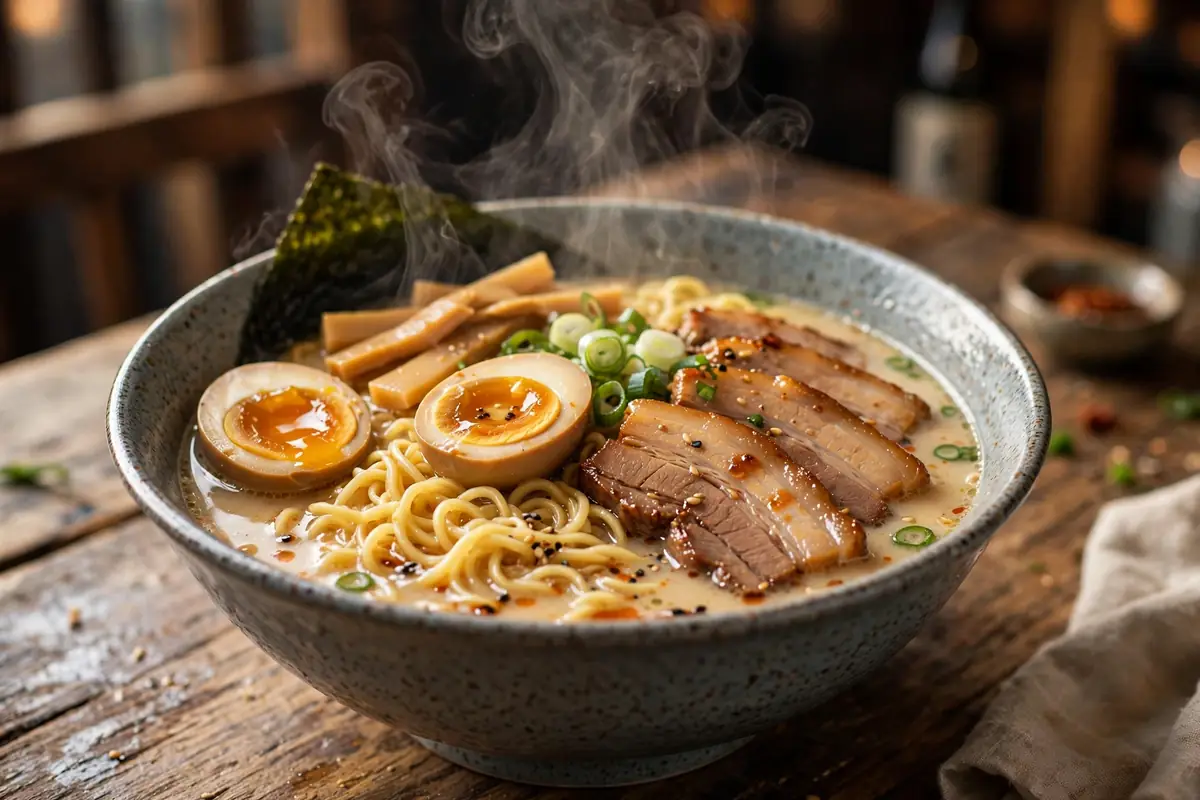
On a foggy San Francisco evening, nothing beats a steaming bowl of ramen, and the best ramen in San Francisco delivers comfort by the spoonful. The city’s ramen scene has exploded over the past decade, growing from a handful of shops to a rich landscape of specialists. You will find creamy tonkotsu broths simmered for 18 hours, spicy miso bowls with local character, delicate shoyu ramen, and creative vegan versions that surprise even skeptics.
This guide walks you through the ramen styles that define the city, the neighborhoods where the best bowls hide, and how to order and eat ramen like you know what you are doing. Noodle lovers should also check our best ramen in New York and best ramen in Los Angeles guides for more great bowls.
What Makes the Best Ramen in San Francisco
The best ramen in San Francisco starts with the broth, which is the soul of the bowl. Great tonkotsu broth is creamy, rich, and deeply porky, the result of boiling pork bones hard for many hours until the collagen melts into the liquid. Great miso broth balances salty, savory fermented soybean paste with layers of flavor. Great shoyu broth is clear, clean, and aromatic. Whatever the style, a great broth tastes like it took time, because it did.
Noodles are the second pillar. The best ramen shops make their noodles fresh daily or source them from excellent suppliers, matching the noodle style to the broth. Thick, wavy noodles stand up to heavy tonkotsu, while thin, straight noodles suit lighter shoyu. The texture should be springy and slightly chewy, never mushy. Toppings like chashu pork, marinated eggs, nori, and bamboo shoots complete the bowl.
Tonkotsu: The Rich and Creamy King
Tonkotsu is the most popular ramen style in San Francisco, and for good reason. The long-simmered pork broth is intensely satisfying, coating your mouth with rich flavor. Toppings usually include slices of tender chashu pork, wood ear mushrooms, pickled ginger, and scallions. Many shops let you customize noodle firmness, garlic level, and broth richness, so you can dial in your perfect bowl.
What separates great tonkotsu from average is the depth of the broth. It should taste complex, not just fatty, with layers that unfold as you eat. The best shops in the city simmer their broth for 14 to 20 hours, and you can taste the effort. A great tonkotsu bowl is a meal you will think about for days.
Miso, Shoyu, and Shio
Miso ramen, with its fermented soybean base, offers bold, hearty flavor that stands up well to butter, corn, and spicy additions. It is a natural fit for San Francisco’s cooler weather. Shoyu ramen is lighter and more aromatic, letting the quality of the stock shine through. Shio, or salt-based ramen, is the lightest of all, with a clean, delicate broth that showcases the chef’s precision.
Each style has its devotees, and trying all three is the best way to find your favorite. Many ramen lovers start with tonkotsu and gradually appreciate the subtler styles. The city’s best shops often excel at one particular style, so ask around about which shop is known for what. Our best sushi in San Francisco guide covers more Japanese dining.
Neighborhoods for Great Ramen
Japantown is the historic heart of ramen in San Francisco, and it remains essential. The neighborhood’s ramen shops range from old-school counters to modern specialists, and the competition keeps standards high. Eating ramen in Japantown, surrounded by Japanese markets and culture, adds something special to the experience. It is the first stop for any serious ramen fan.
The Richmond District extends Japantown’s influence westward, with excellent ramen shops that locals cherish. These neighborhood spots often have shorter waits than the famous names and quality that rivals them. The Inner Richmond in particular has several strong contenders. For more neighborhood eats, see our best pizza in San Francisco guide.
Downtown, SoMa, and the Mission
Downtown and SoMa ramen shops cater to the lunch crowd and late-night diners, with quick service and satisfying bowls. The Mission’s ramen scene is younger and more experimental, with shops that play with flavors and formats. Both areas have gems worth finding, especially for convenient midweek ramen fixes.
The Avenues and Beyond
Do not ignore the Sunset and outer Richmond, where hidden ramen shops serve some of the city’s most authentic bowls. These spots often fly under the radar but have devoted followings. Exploring the avenues for ramen is a rewarding adventure, and you will often find shorter lines and lower prices than the famous downtown shops.
As the culinary landscape of San Francisco flourishes with diverse flavors and innovative dining experiences, it’s important to acknowledge that the city’s food culture extends far beyond ramen. Just as the best ramen showcases intricate techniques and rich histories, the best burgers in Boston offer a similar depth of flavor and tradition. Whether indulging in a classic tavern burger or savoring the modern twist of smash burgers, Boston’s burger scene reflects a vibrant tapestry of local ingredients and culinary creativity. Exploring these two cities’ unique takes on beloved comfort foods enriches our understanding of American cuisine, revealing how regional influences shape our palates in unexpected ways. For those ready to embark on a gastronomic journey, a visit to the best burgers in Boston promises an equally satisfying experience that complements the warmth found in a bowl of ramen.
As you savor the intricate flavors of San Francisco’s ramen, it’s worth noting that the culinary landscape across the country offers equally compelling experiences. Just as the City by the Bay has embraced the artistry of ramen, other cities are celebrating their own unique noodle traditions. For instance, in Boston, a vibrant scene of handcrafted pasta awaits, showcasing the city’s rich Italian heritage and artisanal craftsmanship. From the bustling North End to charming trattorias, the exploration of homemade noodles and classic dishes reflects the same passion for quality that defines the best ramen in San Francisco. For those eager to broaden their culinary horizons, diving into Boston’s pasta offerings can be a delightful adventure. Discover the best pasta in Boston and find out how these comforting dishes compare to your favorite bowls of ramen.
How to Order and Eat Ramen
Start by choosing your broth style, then consider the customizations. Many shops ask about noodle firmness: “katame” means firm, which most ramen fans prefer because the noodles stay springy longer. Garlic, spice level, and extra toppings like marinated eggs or extra chashu let you personalize your bowl. Do not overdo the add-ons on your first visit; taste the chef’s intended bowl first.
Eat ramen quickly and enthusiastically. Slurping is not just acceptable, it is encouraged, because it cools the noodles and aerates the broth, enhancing the flavor. Start with the noodles while they are at their best texture, then work through the toppings, and finish by sipping the broth. A great bowl should be finished in 15 to 20 minutes. For more comfort food, check our best burgers in San Francisco guide.
Essential Toppings Explained
Chashu is braised pork belly or shoulder, sliced and tender, and it is the signature ramen topping. Ajitama is a marinated soft-boiled egg with a jammy yolk, and it is almost always worth adding. Nori adds ocean flavor, menma (bamboo shoots) adds crunch, and narutomaki (fish cake) adds color. Corn and butter are Hokkaido-style additions that make miso ramen even richer. Learn your favorites and order with confidence.
Vegan and Vegetarian Ramen
San Francisco excels at plant-based ramen. Creative chefs build deep, satisfying broths from mushrooms, kombu, and vegetables, with toppings like tofu, corn, and greens. These bowls prove that great ramen does not require pork bones. Even dedicated carnivores often admit the best vegan ramen in the city is genuinely delicious. It is one of the most exciting corners of the local scene.
Prices, Waits, and Timing
A bowl of ramen in San Francisco typically costs 16 to 24 dollars, with premium toppings adding a few dollars more. Given the labor behind the broth, it is fair value for one of the most satisfying meals in the city. Lunch specials and combo deals can bring prices down, and many shops offer smaller portions for lighter appetites.
Popular ramen shops get crowded, especially on cold, foggy evenings when everyone craves a hot bowl. Expect waits of 30 to 60 minutes at the most famous spots during peak dinner hours. Going at off-peak times, like weekday lunch or early dinner, usually means walking right in. Some shops take reservations or offer online waitlists, which are worth using.
Takeout Ramen Tips
Ramen takeout works better than you might expect if the shop packs it right. The best takeout separates noodles from broth so nothing gets soggy, with instructions for reheating. Assemble and eat quickly once home for the best texture. Some shops sell take-home ramen kits with fresh noodles and concentrated broth, which are fantastic for stocking your freezer.
The Perfect Ramen Weather
San Francisco’s foggy, cool climate is basically perfect ramen weather year-round. There is something magical about a steaming bowl on a misty evening in the Richmond or Japantown. Summer visitors are often surprised by the chill, but locals know that ramen season never really ends here. Embrace it.
Tsukemen: Ramen’s Dipping Cousin
If you love ramen, try tsukemen, the dipping-noodle style that has gained fans in San Francisco. Cold, thick noodles are served alongside a concentrated hot broth for dipping, creating an intense flavor experience. The broth is often richer than standard ramen broth because it is meant to coat rather than fill the bowl. Each bite delivers a powerful punch of flavor.
Tsukemen is especially good in warmer weather, when a full steaming bowl feels like too much. Many ramen shops offer it as a menu alternative, and some specialists focus on it entirely. The technique is simple: grab noodles with chopsticks, dip lightly, and slurp. Like ramen, it is endlessly customizable with toppings. For more Japanese noodle adventures, revisit our best sushi in San Francisco picks.
Beyond the Bowl: Sides and Drinks
Great ramen shops offer sides worth ordering. Gyoza, pan-fried to crispy perfection, are the classic companion. Karaage, Japanese fried chicken, adds crunch and flavor. Some shops serve excellent rice bowls or baos for the table. These sides turn a bowl of ramen into a feast.
For drinks, Japanese beer and sake are natural partners. A cold lager cuts through rich tonkotsu beautifully, while sake complements lighter broths. Many shops also serve refreshing iced teas and ramune sodas. The beverage menu at a good ramen shop deserves as much attention as the food. Compare noodle scenes with our best ramen in Chicago and best ramen in Seattle guides.
Conclusion
The best ramen in San Francisco offers something for every noodle lover, from rich tonkotsu to delicate shio to creative vegan bowls. Learn the styles, explore the neighborhoods, and do not be afraid to slurp. Your perfect bowl is waiting somewhere in this foggy, delicious city. For more, see our best ramen in Miami and best ramen in Boston guides.