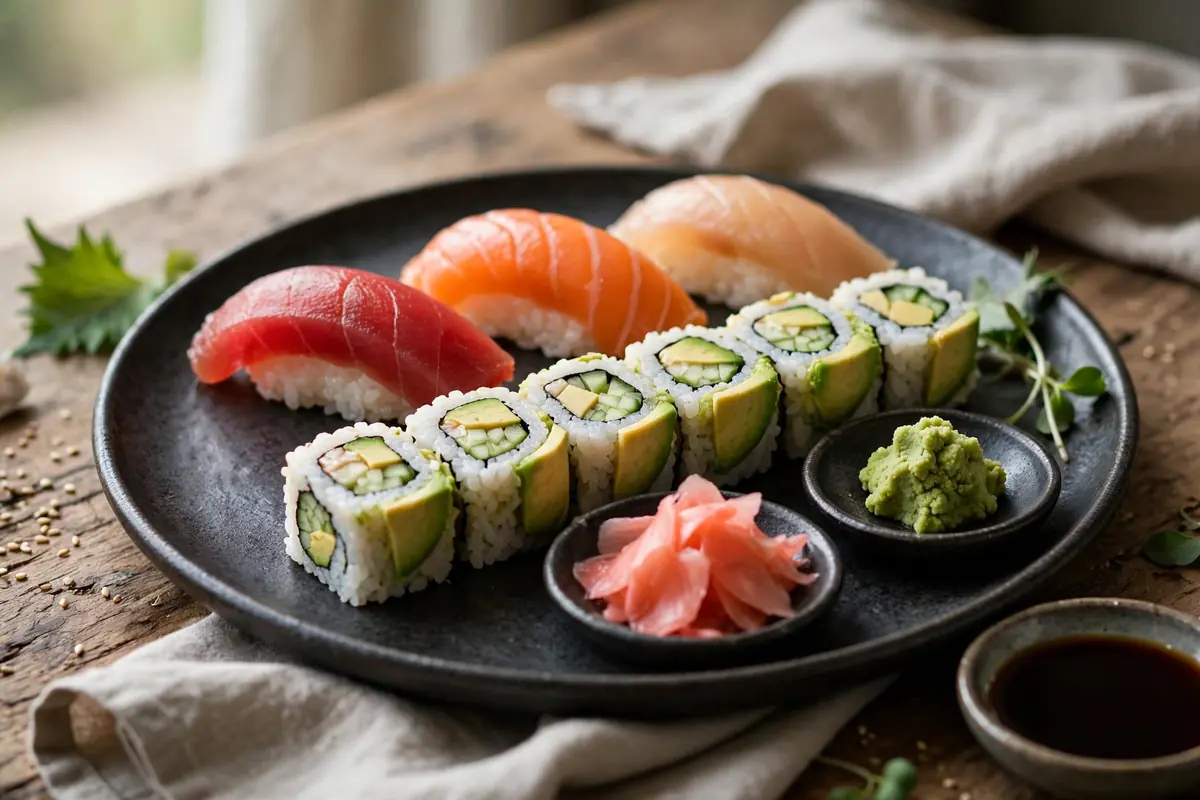
Boston’s sushi scene has matured into one of the East Coast’s finest, and the best sushi in Boston surprises visitors who expect only chowder and baked beans. Talented chefs, many trained in Japan or at top New York counters, serve pristine fish flown in daily from Tokyo’s markets alongside excellent local catches. From intimate omakase experiences to beloved neighborhood roll shops, the city offers sushi for every occasion and budget.
This guide covers what makes Boston sushi special, where to find it, how to order with confidence, and what to expect to pay. Whether you are planning a special night out or a casual weeknight dinner, you will find your spot here. Sushi fans should also check our best sushi in New York and best sushi in Seattle guides for more top sushi cities.
What Makes the Best Sushi in Boston Special
The best sushi in Boston overcomes geography through obsession. Without a local fishery like Seattle’s or Tokyo’s, Boston’s top sushi chefs build their reputations on sourcing: daily flights from Japan’s Toyosu Market, relationships with premium suppliers, and ruthless quality standards. The fish that reaches Boston’s best counters is often as fresh as what is served in Manhattan’s top rooms, because the logistics are handled with extraordinary care.
The chef talent is equally impressive. Boston has attracted serious sushi chefs who chose the city for its food culture and quality of life, bringing skills honed in Japan, New York, and Los Angeles. These chefs treat rice with reverence, break down whole fish with precision, and run omakase counters with quiet confidence. The combination of great sourcing and great talent produces genuinely world-class sushi.
The Rice Obsession
Great sushi rice is seasoned, tempered, and handled with precision that borders on ritual. It should arrive at body temperature, packed loosely enough to separate delicately in your mouth, with vinegar seasoning balanced to complement the fish. Boston’s best chefs adjust their rice with the seasons and even with the specific fish being served. When the rice is perfect, even the simplest nigiri becomes memorable.
Diners can learn to notice rice quality quickly. It is the clearest indicator of a chef’s skill and the foundation that separates good sushi from great. Restaurants that obsess over rice almost always obsess over everything else. Pay attention and you will calibrate your palate fast.
Omakase in Boston
Omakase is the pinnacle sushi experience, and Boston has excellent counters at several price points. The chef curates 12 to 20 courses from the day’s best fish, and the meal unfolds over 90 minutes to two hours as a kind of edible storytelling. Expect pristine Japanese imports alongside creative touches. Prices range from 75 dollars at newer counters to 200 dollars or more at the most acclaimed spots.
Book omakase well in advance, as the best counters have few seats and loyal followings. Arrive on time, mention dietary restrictions when booking, and surrender to the chef’s guidance. It is the single best way to understand what Boston sushi can achieve. For special occasions, nothing compares.
Neighborhoods for Great Sushi
Back Bay and downtown host many of the city’s upscale sushi restaurants, serving business dinners and celebrations in polished, serene spaces. These are the special-occasion destinations with premium fish, extensive sake lists, and impeccable service. The concentration of quality in the city center makes it easy to find an excellent meal.
Cambridge brings its own outstanding sushi scene, fueled by university-affiliated diners who appreciate quality and authenticity. The competition across the river is fierce, which benefits eaters. Some of the metro’s most exciting sushi lives in Cambridge and Somerville. Do not limit your search to Boston proper. For more area dining, see our best pizza in Boston guide.
The South End and Seaport
The South End’s dining sophistication extends to excellent sushi bars with creative approaches and stylish rooms. The Seaport’s newer restaurants include impressive Japanese options with waterfront views. Both neighborhoods offer strong choices for date nights and group dinners. The scenes keep growing.
Neighborhood Favorites
Every Boston neighborhood seems to have a beloved local sushi spot with loyal regulars. Allston, Jamaica Plain, Brookline, and the suburbs all have restaurants that residents recommend passionately. These are often the best values, with quality that rivals downtown at lower prices. Your neighborhood’s sushi joint deserves a visit.
How to Order with Confidence
Follow the classic progression from light to rich: start with white fish like flounder or sea bream, move through salmon and yellowtail, enjoy tuna, and finish with uni or toro. This order lets each flavor shine without heavier fish overwhelming your palate. Ask the chef or server for guidance; Boston’s sushi professionals love sharing knowledge.
Eat nigiri in one bite to experience the intended balance. Apply soy sauce to the fish side, not the rice, and use your hands if you like; it is perfectly proper. Do not mix wasabi into soy sauce at serious counters, where the chef has already seasoned each piece. These courtesies enhance the experience. For more Japanese dining, check our best ramen in Boston guide.
Menu Basics
Learn the vocabulary: nigiri is fish on rice, maki is rolled, sashimi is fish alone, chirashi is fish over rice in a bowl, temaki are hand rolls. Toro is fatty tuna, hamachi is yellowtail, hotate are scallops, uni is sea urchin. Knowing these terms transforms the menu from intimidating to exciting. Staff happily explain unfamiliar items.
As Boston’s sushi landscape continues to flourish, it draws comparisons to other vibrant culinary hubs across the United States. Notably, Austin has emerged as a contender, showcasing its own distinctive blend of innovation and tradition within the sushi realm. From high-end omakase experiences to laid-back sushi bars serving creative rolls, the Texas capital is cultivating a reputation that appeals to both locals and visitors alike. For those intrigued by the diverse offerings beyond Boston’s shores, exploring the best sushi in Austin provides a fascinating glimpse into how different regions interpret this classic cuisine. This cross-regional appreciation not only enriches the dining experience but also highlights the evolving nature of sushi in America, where each city contributes its unique spin on this beloved culinary art.
Rolls vs Traditional
Boston does both traditional nigiri and creative specialty rolls well. Local rolls often feature New England touches like spicy tuna with avocado or tempura shrimp combinations. While purists prefer nigiri, there is no wrong way to enjoy sushi. The best restaurants execute both styles with genuine care.
Local Seafood in Sushi
While most premium sushi fish is imported, Boston’s local waters contribute excellent options. Day-boat scallops, when available, are sweet and delicate. Local oysters appear at creative bars. Some chefs feature New England catches in innovative preparations. These local touches give Boston sushi a sense of place.
The proximity to excellent seafood infrastructure, built for the city’s historic fish markets, actually helps sushi sourcing. The cold chain expertise and buyer relationships benefit everyone. It is an underappreciated advantage that supports quality across the scene.
Seasonal Highlights
Even with imported fish, seasons matter. Spring brings certain Japanese specialties, summer offers peak tuna, fall delivers rich autumn fish, and winter features prized cold-water catches. Ask what is special when you visit; the specials board usually holds the day’s best. Eating seasonally elevates every sushi meal.
Sake, Beer, and Pairings
Sake is sushi’s natural partner, and Boston’s best sushi bars maintain excellent lists. Light ginjo sakes suit delicate white fish, while richer junmai styles match fatty tuna. Flights let you explore. Japanese lagers offer crisp alternatives. Staff recommendations are usually excellent, so ask.
Some adventurous diners pair local craft beer or even wine with sushi. A clean pilsner refreshes the palate beautifully. The key is keeping flavors clean so the fish stars. For more pairing ideas, see our best seafood in Boston guide.
Chirashi: The Value Play
Chirashi bowls deliver omakase-level variety at lunch-friendly prices, often 20 to 35 dollars for beautiful assortments over seasoned rice. It is the insider’s choice for premium fish without the premium commitment. Many downtown workers swear by their regular chirashi lunch spots.
Prices and Planning
Casual sushi dinners run 25 to 50 dollars per person, mid-range spots 50 to 90 dollars, and omakase 75 to 200 dollars or more. Lunch offers the best value with special menus and chirashi deals. Boston’s sushi prices reflect the sourcing costs but remain fair for the quality.
Book omakase and weekend dinners ahead. Weeknights are easier for walk-ins. Arrive unhurried; great sushi deserves attention. Compare scenes with our best sushi in Los Angeles and best sushi in San Francisco guides.
Freshness Signals
Judge by smell (clean ocean, never fishy), careful chef handling, and specials featuring the day’s best catch. Busy counters with high turnover serve fresher fish. Trust your senses. These signs rarely mislead.
Takeout Tips
Rolls and chirashi travel best; eat promptly as rice hardens when cool. Keep sauces separate until serving. Order from nearby spots. Many Boston sushi restaurants pack takeout beautifully, but the counter experience is irreplaceable.
Sushi Etiquette Essentials
Simple manners improve the experience: do not rub chopsticks, do not drown sushi in soy sauce, use ginger as a palate cleanser between pieces. At omakase, eat each piece promptly as served. Ask questions; chefs enjoy sharing. Tip standard American rates. Relax and enjoy.
These courtesies show respect for the craft and the chef. They also help you get the most from each piece, which is seasoned and timed precisely. Good etiquette and good eating go together.
Hand Rolls Worth Trying
Temaki hand rolls, assembled to order with warm rice and crispy nori, are among the most enjoyable ways to eat sushi. The contrast of temperatures and textures is at its peak when eaten immediately. Many Boston sushi bars offer hand roll sets that make fun, interactive meals. They are also among the more affordable ways to enjoy premium fish.
Order hand rolls as a complement to nigiri, not a replacement, for the full experience. The best spots make them with the same care as their nigiri program. For more sushi formats, revisit our best sushi in Seattle picks.
Conclusion
The best sushi in Boston proves that dedication overcomes geography. Through obsessive sourcing and serious talent, the city’s sushi stands with America’s finest. Start casual, graduate to omakase, and savor the journey. For more, see our best sushi in Miami and best sushi in Chicago guides.