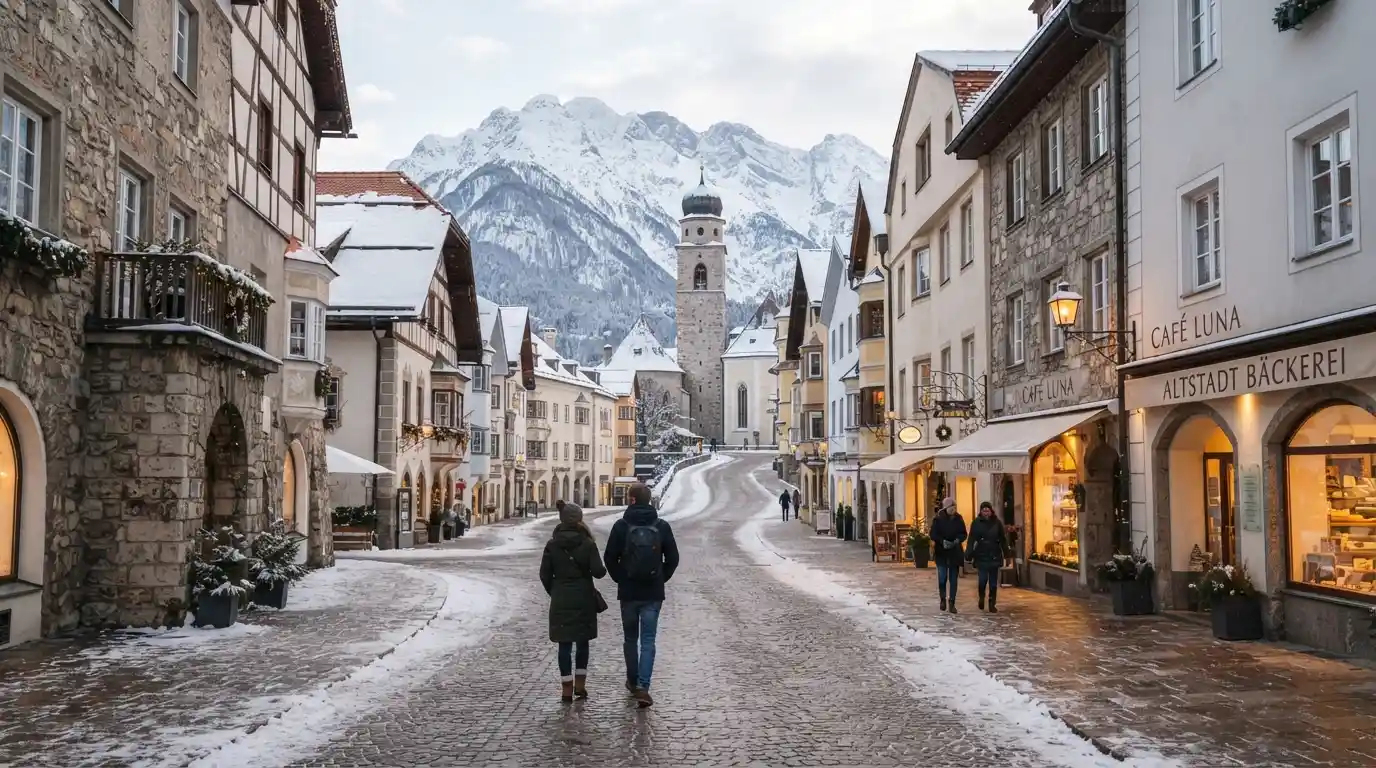
January is an excellent month to explore Europe if you enjoy winter scenery, historic cities, snowy landscapes, cultural experiences, and quieter travel conditions. From snow-covered Scandinavian villages and Alpine resorts to Mediterranean destinations with relatively mild temperatures, Europe offers an impressive variety of places to visit during the first month of the year.
Whether your goal is skiing in the Alps, seeing the Northern Lights, exploring Christmas markets after the crowds have disappeared, or enjoying historic European cities at a slower pace, these 20 destinations are worth considering for a January trip.
1. Reykjavik, Iceland
Reykjavik is one of the most fascinating European destinations to visit in January. The Icelandic capital combines colorful architecture, geothermal attractions, dramatic winter landscapes, and easy access to natural wonders.
January brings short daylight hours, but that can be an advantage for travelers hoping to see the Northern Lights. The city also provides a comfortable base for exploring waterfalls, volcanic landscapes, geothermal areas, and black-sand beaches.
If you enjoy dramatic winter scenery and unusual natural attractions, Iceland can be an unforgettable January destination.
2. Tromsø, Norway
Tromsø is one of Europe’s most popular destinations for winter experiences and Northern Lights trips. Located well above the Arctic Circle, the city offers a unique combination of snowy mountains, fjords, Arctic culture, and winter activities.
Visitors can enjoy dog sledding, snowshoeing, scenic excursions, and opportunities to see the aurora. The surrounding landscapes make Tromsø particularly attractive to photographers and outdoor enthusiasts.
Because January falls within the polar night period, daylight is limited, but the soft blue light can create an extraordinary atmosphere.
3. Lapland, Finland
Finnish Lapland is a dream destination for travelers who want a classic snowy winter experience. The region is known for forests covered in snow, frozen lakes, reindeer experiences, husky safaris, and opportunities to see the Northern Lights.
Rovaniemi is particularly popular with families, while smaller destinations offer quieter Arctic experiences. Glass-roofed accommodations and cozy cabins also provide memorable ways to enjoy the winter landscape.
Lapland is an excellent choice for travelers searching for a true winter wonderland rather than a conventional European city break.
4. Zermatt, Switzerland
Zermatt is one of the most iconic mountain destinations in Switzerland. Surrounded by the Alps and dominated by views of the Matterhorn, the village offers spectacular winter scenery.
January is ideal for travelers interested in skiing, snowboarding, winter hiking, and mountain photography. The car-free village also has a charming atmosphere, with traditional buildings, restaurants, hotels, and cafés.
Travelers interested in exploring more of the continent can also use Zermatt as inspiration when planning the best places to visit in Europe throughout the year.
5. Vienna, Austria
Vienna offers a different kind of January experience. Instead of focusing entirely on snow and outdoor adventure, visitors can explore historic palaces, museums, cafés, concert halls, and grand architectural landmarks.
The city’s traditional coffeehouse culture makes winter particularly enjoyable. After sightseeing outdoors, travelers can warm up with coffee and Austrian pastries while experiencing one of Europe’s most distinctive urban cultures.
January can also provide a quieter atmosphere at some attractions compared with the busiest travel periods.
6. Prague, Czech Republic
Prague is especially atmospheric during winter. Its medieval streets, historic squares, Gothic architecture, and riverfront landscapes take on a different character when temperatures drop and occasional snow covers the city.
Visitors can explore Prague Castle, historic neighborhoods, museums, churches, cafés, and restaurants. The city’s compact center also makes it convenient for travelers who want to explore many attractions on foot.
For travelers interested in architecture and history, Prague remains one of Europe’s most rewarding winter city breaks.
7. Paris, France
Paris is a year-round destination, but January can be appealing for travelers who prefer cooler weather and fewer crowds at certain attractions.
Visitors can explore museums, historic neighborhoods, cafés, galleries, and famous architectural sites. Winter also provides an opportunity to experience the city’s café culture at a slower pace.
Paris is particularly suitable for travelers who want a cultural European vacation rather than a dedicated snow holiday.
8. Amsterdam, Netherlands
Amsterdam in January offers a quieter version of the Dutch capital. The city’s canals, narrow houses, museums, and historic streets remain attractive even during cold weather.
Travelers can spend their days exploring museums and cultural attractions before warming up inside cafés and restaurants. If temperatures drop enough, canal areas can take on a distinctly wintery appearance.
Comfortable footwear and waterproof clothing are useful because January weather can be cold, wet, and windy.
9. Salzburg, Austria
Salzburg combines historic architecture with a spectacular Alpine setting. The city is associated with classical music, historic buildings, and the surrounding mountains.
January visitors can explore the old town, museums, churches, cafés, and nearby winter landscapes. Travelers interested in skiing can also reach mountain resorts in the wider region.
The combination of culture and access to the Alps makes Salzburg an attractive choice for a January itinerary.
10. Copenhagen, Denmark
Copenhagen provides a cozy Scandinavian winter experience. Although January is cold and daylight hours are limited, the city’s cafés, design culture, museums, historic neighborhoods, and restaurants remain appealing.
The Danish concept of hygge is particularly easy to appreciate during the darker months. Warm cafés, comfortable interiors, candles, and hearty food can make cold January days enjoyable.
Copenhagen is a good choice for travelers who want Scandinavian culture without traveling deep into the Arctic region.
11. Edinburgh, Scotland
Edinburgh’s historic architecture and dramatic winter atmosphere make it an interesting January destination. The Scottish capital is home to a striking old town, medieval streets, historic buildings, and viewpoints overlooking the city.
January visitors should prepare for short daylight hours, wind, and rain, but the weather can also create a moody atmosphere that suits the city’s historic character.
Museums, restaurants, pubs, galleries, and historic attractions provide plenty of indoor activities when the weather becomes unpleasant.
12. Budapest, Hungary
Budapest is an excellent option for travelers looking for a European city break during January. The Hungarian capital combines historic architecture, thermal baths, restaurants, and cultural attractions.
One of the best ways to experience Budapest during winter is to visit its thermal baths. The contrast between cold winter air and warm thermal water creates a memorable experience.
The city also offers impressive nighttime views along the Danube, particularly around its historic bridges and waterfront buildings.
13. Kraków, Poland
Kraków offers historic architecture, cultural attractions, traditional food, and a beautiful old town. In January, the city can experience cold temperatures and occasional snowfall, giving its historic center a distinctive winter atmosphere.
Visitors can explore the Main Market Square, historic churches, museums, and surrounding neighborhoods. The city’s restaurants and cafés also provide plenty of opportunities to escape the cold.
Kraków is particularly appealing for travelers interested in European history and culture.
14. Lisbon, Portugal
If you prefer mild weather rather than snow, Lisbon is one of the European destinations worth considering in January. Portugal’s capital generally offers a more comfortable winter climate than northern Europe.
Travelers can explore historic neighborhoods, viewpoints, tiled buildings, cafés, markets, and waterfront areas without dealing with the severe cold found farther north.
January is also a useful time for travelers who want to explore Lisbon at a slower pace and experience local culture without the intensity of peak summer tourism.
15. Seville, Spain
Seville is another excellent choice for travelers searching for milder January weather. Located in southern Spain, the city is famous for its architecture, plazas, historic neighborhoods, and Andalusian culture.
Visitors can explore the city’s major historic areas, enjoy Spanish cuisine, and spend time outdoors without the freezing temperatures common in northern Europe.
For travelers who want European culture without making snow the center of their trip, Seville deserves consideration.
16. Barcelona, Spain
Barcelona offers a combination of architecture, food, art, history, and Mediterranean atmosphere. January temperatures are generally cooler than summer, making outdoor sightseeing more comfortable for some travelers.
Visitors can explore the city’s distinctive architecture, historic streets, markets, museums, and waterfront. Restaurants and cafés provide plenty of opportunities to enjoy local cuisine between sightseeing stops.
Barcelona can also serve as a gateway for exploring other parts of Spain during a longer winter trip.
17. Athens, Greece
Athens is another southern European destination worth considering in January. Winter temperatures are generally milder than those found in northern Europe, making sightseeing more comfortable for travelers who dislike extreme cold.
The city provides access to ancient archaeological sites, museums, historic neighborhoods, restaurants, and viewpoints.
Although January is not the traditional beach season, it can be an interesting time to experience Athens primarily as a cultural and historical destination.
18. Venice, Italy
Venice offers a unique winter atmosphere. Its canals, bridges, narrow streets, and historic architecture can feel especially atmospheric during the quieter months.
January weather can be cold and damp, but visitors who are prepared for it can enjoy museums, churches, historic neighborhoods, cafés, and waterfront walks.
The reduced intensity of peak-season tourism can also make it easier to appreciate Venice’s distinctive character.
19. Innsbruck, Austria
Innsbruck is an excellent destination for travelers who want a combination of city sightseeing and Alpine adventure. The Austrian city is surrounded by mountains and provides convenient access to winter sports.
Visitors can explore the historic center in the morning and head toward the mountains for skiing or other snow activities later in the day.
This combination makes Innsbruck particularly useful for travelers who do not want to choose between a cultural city break and a mountain vacation.
20. Valletta, Malta
For travelers looking for a much milder January destination, Valletta offers a fascinating alternative. Malta’s capital combines historic architecture, Mediterranean scenery, museums, churches, and waterfront views.
January is not the ideal season for traditional beach holidays, but the relatively mild climate can make sightseeing pleasant compared with colder parts of Europe.
Valletta is particularly suitable for travelers who want history, architecture, food, and Mediterranean atmosphere during the European winter.
Why Visit Europe in January?
January has several advantages for travelers. One of the biggest is the variety of experiences available across the continent.
In northern Europe, January can provide genuine Arctic conditions, snow-covered landscapes, and opportunities to see the Northern Lights. Central Europe offers historic cities, winter architecture, museums, cafés, and Alpine destinations. Southern Europe provides comparatively mild weather and opportunities for outdoor sightseeing.
January can also be appealing to travelers who prefer a quieter atmosphere than the peak summer season. However, conditions vary considerably between countries, so it is important to choose your destination based on your preferred weather and activities.
Best January Destinations in Europe for Different Travelers
The ideal destination depends on your travel priorities. Consider the following options when planning your trip:
- For Northern Lights: Tromsø, Finnish Lapland, and Iceland.
- For skiing: Zermatt, Innsbruck, Salzburg, and other Alpine destinations.
- For romantic city breaks: Paris, Prague, Vienna, and Venice.
- For mild weather: Lisbon, Seville, Barcelona, Athens, and Valletta.
- For history: Prague, Rome-style historic destinations, Athens, Kraków, and Edinburgh.
- For thermal baths: Budapest.
- For families: Finnish Lapland and Iceland.
- For mountain scenery: Zermatt, Innsbruck, Salzburg, and Tromsø.
What to Pack for Europe in January
Packing for a January trip depends heavily on your destination. A trip to Finland or Switzerland requires very different clothing from a visit to Portugal or Malta.
- Warm insulated jacket for northern and central Europe.
- Waterproof shoes or boots for snowy and wet destinations.
- Thermal base layers for Arctic and Alpine trips.
- Gloves, scarf, and winter hat for cold destinations.
- Comfortable walking shoes for European city breaks.
- Waterproof outer layers for rainy destinations.
- Portable charger for long sightseeing days.
- Travel adapter suitable for your destination.
Tips for Traveling Around Europe in January
Winter travel requires a little more planning than summer travel. Check local weather conditions before departure and remember that daylight hours can vary dramatically across Europe.
If you are visiting northern destinations, plan outdoor activities around available daylight and allow flexibility for changing weather. If you are visiting southern Europe, pack layers because daytime conditions can be comfortable while evenings may still feel chilly.
For multi-country trips, consider travel times carefully. A slower itinerary with fewer destinations can often provide a more enjoyable experience than trying to visit several countries in a short period.
How to Plan a January Europe Itinerary
One effective strategy is to choose destinations based on geography and climate rather than trying to cover the entire continent.
For example, travelers interested in snow could create a Scandinavian itinerary featuring Copenhagen, Stockholm, Tromsø, and Finnish Lapland. Travelers interested in Alpine scenery could combine Austria and Switzerland. Those looking for milder weather could focus on Portugal, southern Spain, Malta, and Greece.
If you are planning a Europe trip for another season, you can also explore our guide to the best places to visit in Europe in the summer.
For travelers comparing European destinations more broadly, guides covering best places to visit in Europe, best cities to visit in Europe, and European cities to visit can help build a larger itinerary.
More European Travel Inspiration
Europe offers different experiences throughout the year. If winter travel is not your preference, consider exploring the best places to visit in Europe in spring or planning a European summer vacation.
You can also explore the best beaches in Europe if you are interested in warmer-weather travel, or discover hidden gems in Europe for destinations away from the most familiar tourist routes.
Final Thoughts
The best places to visit in January in Europe range from snowy Arctic destinations and spectacular Alpine resorts to historic capitals and mild Mediterranean cities. Tromsø and Finnish Lapland are excellent choices for winter adventure, while Zermatt and Innsbruck offer impressive mountain experiences.
For culture and architecture, destinations such as Vienna, Prague, Paris, Edinburgh, Budapest, and Venice provide plenty to explore. Meanwhile, Lisbon, Seville, Barcelona, Athens, and Valletta offer travelers the chance to experience Europe without the extreme cold found farther north.
The key is choosing a destination that matches your preferred weather, activities, budget, and travel style. Whether you want to see the Northern Lights, ski through the Alps, explore historic streets, relax in thermal baths, or enjoy a mild Mediterranean winter, Europe has a January destination that can make your trip memorable.