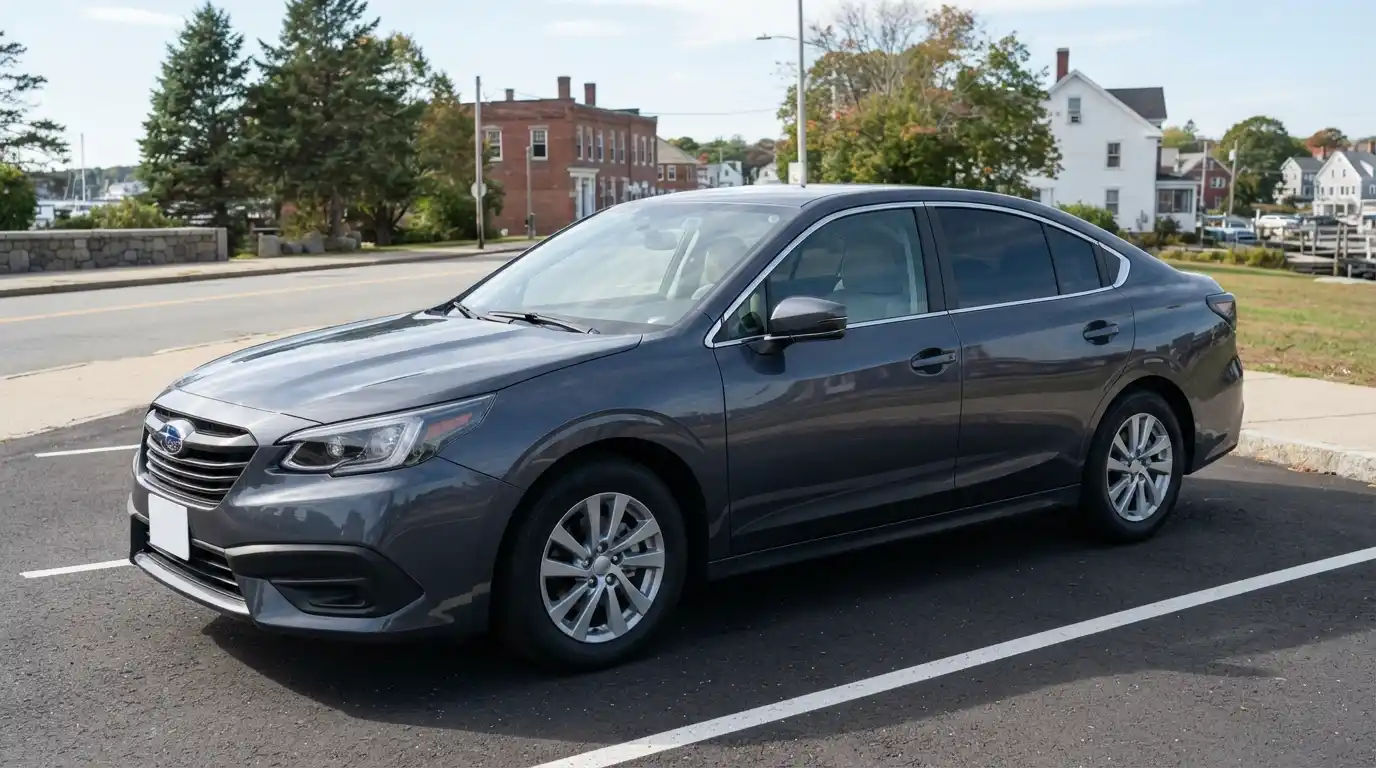
The safest approach is to understand Maine’s requirements before installing aftermarket tint rather than discovering during an inspection that the film is too dark or otherwise noncompliant.
This guide explains the key Maine window tint rules, what drivers should know about different windows, how tint is measured, how inspections can affect tinted vehicles, and practical steps for staying compliant.
What Is Legal Tint in Maine?
Maine law regulates the amount of visible light that can pass through certain vehicle windows. For side and rear windows subject to the state’s general light-transmission requirement, the combined glass and tint must allow at least 35% light transmission.
This is commonly referred to as visible light transmission, or VLT. A higher VLT percentage means more light passes through the glass, while a lower percentage means the window appears darker.
Drivers should also understand that Maine’s rules are not limited to darkness alone. Reflective window materials and visibility through certain windows are also regulated.
Maine Window Tint Laws at a Glance
| Window Area | Key Maine Requirement | What Drivers Should Know |
|---|---|---|
| Front windshield | Aftermarket material cannot reduce light transmission beyond the permitted factory/original level | A limited sun-screening strip is permitted at the top |
| Side windows | Generally must allow at least 35% net light transmission where the requirement applies | Glass and film are considered together |
| Rear windows | At least 35% light transmission where the general requirement applies | Some rear-window exceptions apply when appropriate outside mirrors are installed |
| Reflective tint | Reflective window material is restricted | Choose non-reflective automotive film |
| Medical exemption | An exemption may be available in qualifying circumstances | Proper documentation and an approved certificate are important |
How VLT Works With Maine Tint Laws
Visible light transmission describes the percentage of visible light that passes through a window. For example, a window measuring 70% VLT allows substantially more light through than one measuring 35% VLT.
One of the most important details for Maine drivers is that the applicable requirement concerns the net result of the glass and tinting material. Installing a film advertised as 35% does not automatically guarantee that the finished window will measure exactly 35%.
Factory glass already has its own light-transmission characteristics. When aftermarket film is added, the final result can be darker than the film’s advertised specification.
For that reason, reputable tint installers should measure the completed window rather than relying solely on the percentage printed on the film packaging.
Are Front Windshields Allowed to Have Tint in Maine?
The front windshield is treated differently from ordinary side and rear windows.
Maine’s requirements restrict aftermarket material that reduces windshield light transmission beyond the original installation window or an original replacement window. In practical terms, drivers should avoid applying conventional dark tint film across the main viewing area of the windshield.
A limited sun-screening or window-tinting strip is permitted in the upper portion of the windshield. The permitted area is tied to the windshield’s AS-1 marking or, where there is no AS-1 line, a specified strip at the top.
Because the windshield is directly connected to forward visibility and safe driving, a professional installer should be particularly careful when applying any material near the top of the glass.
Can You Tint the Front Side Windows in Maine?
Front side windows require special attention because Maine’s rules also address visibility through the front door windows.
The applicable requirements are intended to preserve a clear view between vehicle occupants and people outside the vehicle. This makes extremely dark or obscuring material inappropriate for front-side glass.
Before installing film on the front side windows, ask the installer to evaluate the existing glass and calculate the finished VLT rather than simply selecting a film percentage based on appearance.
What About Rear Side Windows and the Back Window?
Rear windows have additional flexibility under Maine’s rules in certain circumstances. The law provides an exception for side windows behind the operator’s seat and the rear window when the vehicle has two outside rearview mirrors that are properly adjusted to provide the driver with a clear view behind the vehicle.
This distinction is particularly relevant to SUVs, vans, and other vehicles where privacy glass or darker rear tint is common.
However, drivers should not assume that every dark rear window is automatically legal. The specific construction of the glass, aftermarket film, vehicle configuration, and required mirrors can all matter.
Is Reflective Window Tint Legal in Maine?
Reflective window material is restricted under Maine’s vehicle equipment requirements.
This means drivers should be cautious about highly mirrored, metallic, or reflective films marketed primarily for appearance or privacy. A tint can meet a darkness requirement and still create a compliance issue if its reflective characteristics violate the state’s rules.
For a street-driven vehicle, a quality non-reflective automotive film is generally the safer choice when compliance is the priority.
Does Factory Privacy Glass Count as Tint?
Factory-installed privacy glass and aftermarket tint are not necessarily the same thing.
Factory glass is manufactured as part of the vehicle and can have different characteristics from film applied after the vehicle leaves the factory. When aftermarket tint is installed over existing glass, the combination can change the final light-transmission measurement.
This is why an installer should evaluate the actual window rather than assuming that a particular film percentage will produce the same result on every vehicle.
Maine Tint Inspection Requirements
Window tint can become particularly important during Maine’s vehicle inspection process. Vehicles with tinted windows that fall under the applicable requirements may need documentation showing that the tint meets the required light-transmission standard.
A vehicle owner should therefore keep any applicable tint documentation supplied by the installer and make sure the vehicle’s finished windows can satisfy the inspection requirements.
If a tint treatment fails to meet the applicable inspection standard, the owner may need to remove or replace the material before the vehicle can pass inspection.
This is one reason it is better to verify compliance immediately after installation instead of waiting until the next inspection appointment.
How to Choose a Legal Tint Percentage
Choosing tint based purely on appearance can be risky. Instead, consider the following process:
- Check the existing glass. Determine whether the vehicle already has factory tint or privacy glass.
- Know the applicable window rule. Windshields, front side windows, and rear windows can have different requirements.
- Measure the finished glass. Do not rely exclusively on the film’s advertised VLT.
- Avoid reflective film. Choose an automotive film designed for legal road use.
- Keep installation documentation. Retain receipts and any light-transmission documentation provided by the installer.
- Consider inspection requirements. Make sure the finished vehicle can satisfy Maine’s inspection standards.
What Is the Best Tint for Maine Drivers?
The best tint depends on the vehicle and the driver’s goals. Someone primarily interested in reducing heat and glare may not need extremely dark film. A driver looking for additional privacy may prefer darker rear glass where the vehicle configuration and Maine requirements allow it.
High-quality automotive film can provide useful solar-control benefits without requiring an unnecessarily dark appearance.
When selecting a tint, prioritize accurate VLT measurement, low reflectivity, professional installation, optical clarity, and compliance over choosing the darkest possible shade.
Medical Window Tint Exemptions in Maine
Maine provides an exception process for qualifying medical circumstances in which sunlight adversely affects the health of the vehicle owner or a person who usually occupies the vehicle.
The exemption is not simply permission to install any tint without documentation. The Chief of the Maine State Police may grant an exception following the appropriate application process, and the resulting certificate must be available for presentation when required.
If you believe a medical condition may qualify you for an exemption, complete the required process before installing tint that would otherwise fail the standard requirements.
Common Maine Tint Mistakes to Avoid
Choosing Tint Only by Appearance
A film can look acceptable while failing an objective light-transmission measurement. Always verify the finished glass.
Assuming 35% Film Means 35% Finished VLT
The existing glass affects the final result. A 35% film installed over factory glass may produce a different finished measurement.
Using Highly Reflective Film
Reflective characteristics can create a compliance problem even when the tint does not appear extremely dark.
Ignoring the Windshield Rules
The windshield has different requirements from other windows. A full windshield tint installation should not be treated like a rear-window tint job.
Forgetting About Documentation
Keep relevant tint paperwork and documentation, particularly when the vehicle is subject to inspection requirements.
Assuming an Out-of-State Installation Is Automatically Legal
A tint installed in another state does not automatically make it compliant with Maine requirements when the vehicle is operated in Maine. Drivers should verify the finished vehicle against Maine’s applicable standards.
How to Check Your Existing Tint
If you already have tinted windows and are unsure whether they comply, a professional tint shop can use a VLT meter to measure the finished glass.
It is useful to have the front side windows, rear side windows, and other relevant glass checked individually because different windows may have different factory-glass characteristics and tint treatments.
If the measurements are borderline, consider replacing the film with a product that provides a clearer compliance margin rather than trying to operate at the edge of the permitted limit.
Legal Tint in Maine: Practical Compliance Checklist
- Check Maine’s current requirements before installing aftermarket tint.
- Understand the difference between windshield, front-side, and rear-window rules.
- Use non-reflective automotive tint.
- Verify the final VLT after installation.
- Do not assume the film’s advertised percentage equals the finished window measurement.
- Keep tint receipts and applicable compliance documentation.
- Make sure your vehicle remains suitable for Maine inspection.
- Maintain properly adjusted outside rearview mirrors where a rear-window exception depends on them.
- If seeking a medical exemption, obtain the required documentation before relying on the exemption.
- Have questionable or borderline tint professionally evaluated.
Frequently Asked Questions About Legal Tint in Maine
What is the legal tint percentage in Maine?
Maine generally requires side and rear windows subject to the state’s light-transmission rule to allow at least 35% net light transmission through the glass and material. Specific exceptions and window-position requirements also apply.
Can I have a tinted windshield in Maine?
The main windshield viewing area is subject to strict requirements. Maine permits a limited sun-screening or tinting strip in the upper portion of the windshield, but aftermarket material should not reduce transmission through the windshield beyond the permitted level.
Can I have dark tint on my rear windows?
Rear-window requirements can differ when the vehicle has two properly adjusted outside rearview mirrors. The exact vehicle configuration and applicable exception should be considered before installing very dark tint.
Does Maine allow medical tint exemptions?
Yes. Maine provides an exemption process for qualifying health circumstances involving adverse effects from sunlight. Appropriate application and certification requirements apply.
Can window tint cause a vehicle to fail inspection in Maine?
Yes. Tint that does not meet applicable light-transmission or other inspection requirements can create an inspection problem. Owners should verify compliance before inspection.
How do I know what VLT my tint really is?
The most reliable approach is to have the completed window measured with a calibrated VLT meter. The film’s advertised percentage alone does not necessarily represent the final VLT of the glass and film combination.
Final Thoughts
Following legal tint requirements in Maine is about more than choosing a shade that looks good. Drivers need to consider VLT, reflective properties, windshield restrictions, rear-window exceptions, inspection requirements, and any applicable medical exemption.
The simplest strategy is to use a reputable automotive tint installer, measure the finished windows, keep the relevant documentation, and choose a tint level that provides a comfortable compliance margin.
If you are unsure about an existing installation, have the windows professionally measured before your next inspection rather than assuming the tint is legal based on its appearance.