New York City is the steakhouse capital of the world, and the quest for the best steak in New York is a journey through some of the most storied dining rooms in America. This is the city that invented the modern steakhouse: the porterhouse for two, the creamed spinach, the martini lunch, the wood-paneled room where deals get made over dry-aged beef. From century-old institutions to sleek modern chop houses, NYC’s steak scene sets the standard that every other city chases. This guide covers the cuts, the cooking, the legendary rooms, and how to order like you belong.
What makes New York the steak capital is history compounded by competition. The great steakhouses here have been perfecting their craft for over a hundred years, aging beef in-house, broiling at infernal temperatures, and serving with a confidence that only comes from doing one thing extraordinarily well. Newcomers must clear an incredibly high bar, which means even the newer steakhouses in New York operate at a level that would make them the best in most other cities.
The Classic New York Steakhouse Experience
Walking into a classic New York steakhouse is stepping into a tradition. Dark wood, white tablecloths, the sizzle of steaks under the broiler, waiters who have worked the same floor for decades. The menu is reassuringly predictable: shrimp cocktail, oysters, a wedge salad or Caesar, the steaks, creamed spinach, hash browns or mashed potatoes, and a baked Alaska or cheesecake to finish. This formula has not changed in generations because it does not need to.
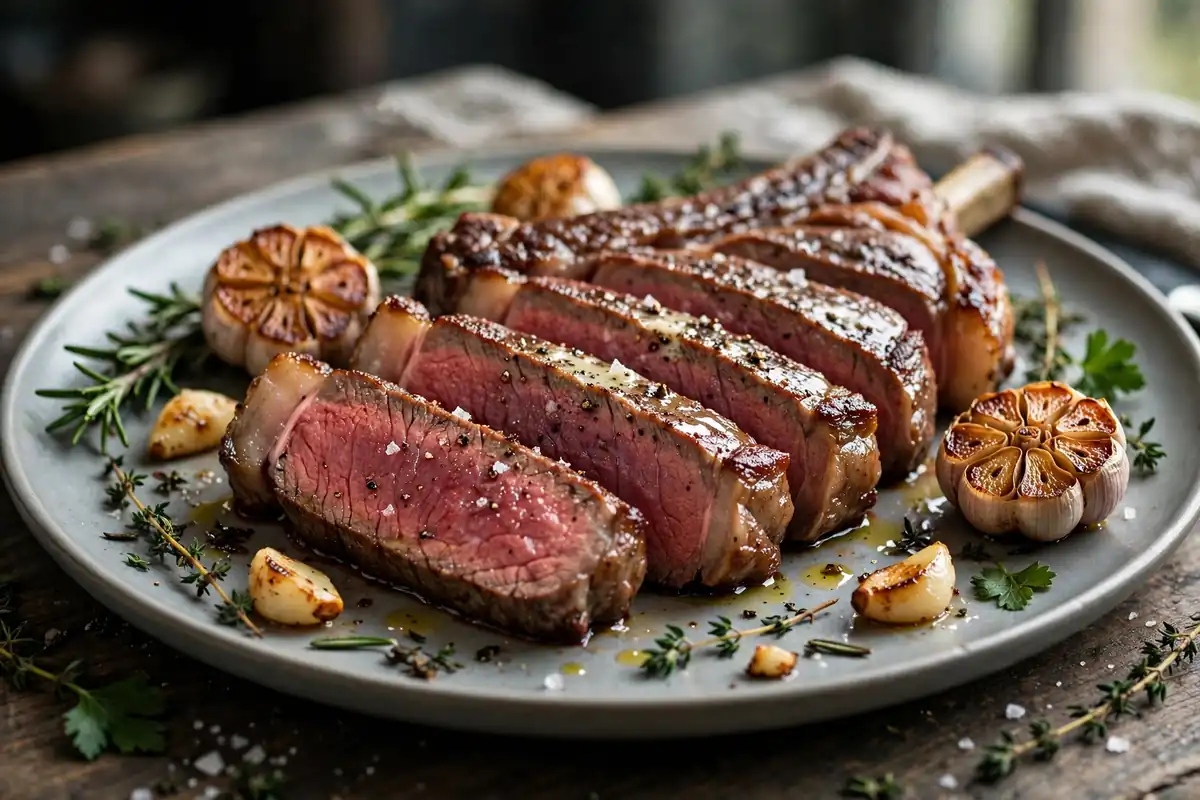
The porterhouse for two is the signature order, a massive cut combining strip and tenderloin separated by the T-bone, dry-aged for weeks and broiled until the exterior chars while the interior stays ruby-red. It arrives sliced, sizzling on a hot platter, and it feeds two hungry people or three moderate ones. Ordering it signals that you understand the ritual. Before your steak dinner, you might warm up with small plates; our guide to the best food halls in USA is great for grazing. For more celebratory dining ideas, our guide to the best fine dining in USA covers special-occasion rooms nationwide.
Dry Aging: The Secret Behind Great Steak
Dry aging is what separates great steakhouses from good ones. Primals of beef rest in temperature and humidity-controlled rooms for 21 to 45 days or more, during which enzymes tenderize the meat and moisture loss concentrates flavor. The result is beef with nutty, almost blue-cheese-like depth that wet-aged or fresh beef cannot match. The best steakhouses age in-house and will proudly show you the aging room. When a menu specifies the aging days, longer generally means more intense flavor, though personal preference rules.
Know Your Cuts: What to Order
The ribeye is the connoisseur’s choice: rich marbling, deep beef flavor, and a fat cap that bastes the meat as it cooks. The strip, or New York strip, is the city’s namesake cut: firmer texture, bold flavor, and the classic steakhouse profile. The filet mignon is the tenderest but mildest; order it only if tenderness matters more than flavor to you. The porterhouse gives you strip and filet in one, and the bone adds flavor.
Beyond the classics, explore the hanger, flat iron, and skirt steaks that modern chop houses champion. These butcher’s cuts offer intense flavor at lower prices, though they demand precise cooking. The tomahawk, a ribeye with a dramatic long bone, is theater and substance in one. Whatever you order, temperature is everything: medium-rare is the sweet spot where fat renders and juices flow. Order medium-well at a great steakhouse and you have wasted everyone’s time, including your own.
Modern Chop Houses and New-School Steak
Alongside the institutions, a new generation of steakhouses has reimagined the form. These rooms are sleeker, the menus more creative, the wine lists more adventurous. You will find wagyu programs with Japanese A5 and domestic crossbreeds, creative appetizers beyond the shrimp cocktail canon, and vegetable sides treated with the same seriousness as the beef. The best modern chop houses honor tradition while refusing to be bound by it.
Wagyu deserves special attention. Japanese A5 wagyu, with its snow-like marbling, is an entirely different eating experience from American beef: intensely rich, best enjoyed in small portions. Many steakhouses now offer wagyu flights or small supplements. It is expensive, but for beef lovers it is a must-try at least once. Our guide to the top steakhouse chains ranked compares the national players for travelers.
The Steakhouse Sides Canon
Sides are half the steakhouse experience. Creamed spinach, the king of steakhouse sides, should be rich but not gluey, with real spinach flavor. Hash browns should shatter outside and steam inside. Mashed potatoes should be buttery clouds. Creamed corn, mushrooms, and onion rings all have their partisans. Order family-style; a table sharing sides is a happy table. And always save room for dessert, because steakhouse desserts, from chocolate mousse to key lime pie, are built to impress.
Steakhouse Neighborhoods and Occasions
Midtown Manhattan remains steakhouse central, a legacy of the power-lunch era. The rooms here serve theater-district crowds, business dinners, and tourists seeking the classic experience. Downtown offers more modern interpretations, while Brooklyn’s steakhouses tend toward the creative and casual. Each neighborhood’s steakhouses reflect their clientele, but the beef quality at the top is consistent citywide.
Steakhouses are occasion restaurants: anniversaries, promotions, graduations, and the kind of dinners where the bill is secondary to the memory. But the smartest steak lovers also exploit lunch, when many steakhouses offer burgers or smaller steaks at fractions of dinner prices. A steakhouse burger at lunch is one of the great value plays in New York dining. For date-night planning, see our guide to the best date night in USA. Compare coasts with our guide to the best steak in Los Angeles.
How to Order Steak Like a Regular
Start with the questions that matter: Is the beef dry-aged in-house, and for how long? Where is it sourced? These questions signal seriousness and often prompt the server to share useful guidance. Order your steak medium-rare unless you have a strong reason otherwise. If you love beef in handheld form too, our guide to the best burgers in New York covers the city’s finest patties. Let the steak rest; it will arrive sizzling and needs a minute before cutting.
Sauce is optional and, at the best places, unnecessary. A great dry-aged steak needs nothing but salt. But bearnaise, peppercorn, and red wine reductions have their place, especially with leaner cuts. Share the porterhouse if dining as a couple; it is designed for two and offers the best value on the menu. And do not skip the martini or Manhattan; the classic steakhouse cocktail is part of the ritual. Round out your meat knowledge with our guide to the best BBQ in New York, and explore South American grilling in our Argentinian steakhouse guide.
The Business of Beef: How Steakhouses Source
Behind every great steakhouse is a supply chain obsessed with quality. Top rooms buy prime-grade beef, often from specific ranches, and dry-age in-house for weeks. Some work directly with farms on custom programs. The beef is broken down by skilled butchers who understand every muscle. This infrastructure is invisible to diners but essential; you cannot serve great steak without great sourcing.
What to ask your server: Where is the beef from? Is it dry-aged in-house? For how long? The answers reveal the restaurant’s seriousness. Vague answers suggest commodity beef; specific answers signal pride. The best steakhouses love these questions because their sourcing is a point of honor. Understanding the supply chain deepens your appreciation for what is on the plate.
Steak Doneness: A Definitive Guide
Rare means cool red center, 120-125 degrees. Medium-rare, the sweet spot, is warm red center at 130-135 degrees. Medium is warm pink at 135-145. Medium-well is slightly pink at 145-155. Well-done is 160 plus, and at a great steakhouse it is a waste of everyone’s effort. Carryover cooking means steaks rise a few degrees after leaving the heat, so kitchens pull them early. Trust the kitchen’s thermometers over your instincts.
Resting matters as much as temperature. A rested steak redistributes its juices; a cut-too-soon steak bleeds them onto the plate. Great steakhouses rest properly before serving. When your steak arrives sizzling, give it a minute. Patience is the final ingredient. For more beef education, our guide to the top steakhouse chains ranked compares sourcing across the industry.
Steakhouse Desserts Worth Saving Room For
Never skip steakhouse dessert. The classics endure for good reason: New York cheesecake dense and creamy, chocolate mousse dark and intense, key lime pie tart and refreshing, baked Alaska theatrical and delicious. These desserts are engineered to impress after rich steaks, offering contrast and sweetness. The best steakhouses make desserts in-house with the same care as their beef program. Sharing one dessert after a heavy steak dinner is the civilized move; ordering two is the celebratory one. Either way, the sweet finale completes the ritual that began with the first martini.
Conclusion
The best steak in New York is not a single cut or a single room but a tradition perfected over a century: dry-aged beef, ferocious heat, and service that treats dinner as an event. Whether you choose a century-old institution or a modern chop house, order the porterhouse, embrace the ritual, and savor every bite. End the evening on a sweet note with our guide to the best dessert shops in USA. In the steakhouse capital of the world, a great steak dinner is never just dinner.