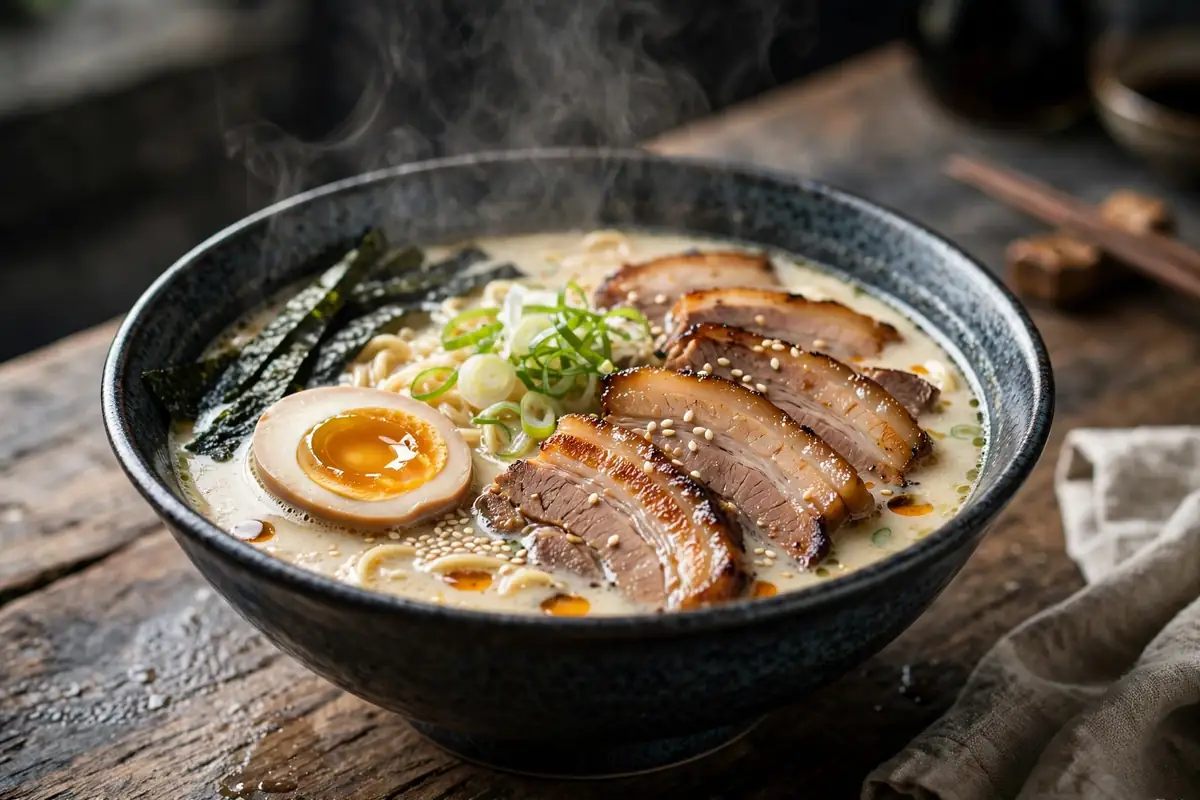
Slurping your way through the best ramen in New York is one of the city’s great cold-weather pleasures, though locals will tell you ramen season is year-round. New York’s ramen scene has grown from a handful of pioneering shops into one of the deepest in America, with specialists in every major style: milky tonkotsu, clear shoyu, miso, tantanmen, tsukemen, and creative bowls that exist nowhere else. Whether you want a two-hour project of a meal or a quick lunch that restores your soul, this guide covers the styles, the shops, and the etiquette of ramen in NYC.
Ramen came to New York in waves. The first serious shops opened in the early 2000s, proving that New Yorkers would line up for noodles the way they lined up for pizza. A second wave brought regional Japanese styles and obsessive craftsmanship. Today, the city has ramen for every mood: rich and porky, light and delicate, spicy and numbing, vegetarian and vegan. The competition is fierce, which means the average bowl in New York is better than almost anywhere else in the country.
Understanding Ramen Styles
Tonkotsu is the style most Americans know: pork bones boiled for 12 to 18 hours until the broth turns milky, rich, and collagen-thick. A great tonkotsu coats your lips, smells deeply porky, and supports thin, straight noodles with classic toppings like chashu pork, wood-ear mushrooms, and pickled ginger. It is the most indulgent ramen style and the one that built New York’s ramen reputation.
Shoyu ramen features a clear chicken or pork broth seasoned with soy sauce. It is lighter and more aromatic than tonkotsu, showcasing the clarity of the stock and the quality of the tare seasoning. Shio, seasoned with salt, is lighter still, often with seafood or chicken broths that taste delicate and precise. Miso ramen, the hearty specialty of Hokkaido, uses fermented soybean paste for a robust, warming bowl topped with corn, butter, and bean sprouts.
Beyond the big four, New York offers tantanmen, the Japanese adaptation of dan dan noodles with spicy sesame broth and minced pork; tsukemen, where thick noodles are dipped into concentrated broth; and aburasoba, soupless noodles tossed with oil and tare. Each style is a world unto itself, and the best ramen shops usually specialize in one or two rather than attempting everything.
Noodles: The Other Half of the Bowl
Noodles deserve as much attention as broth. Great ramen noodles have bite, spring, and wheat flavor. They should be cooked to order and served immediately, since they continue softening in hot broth. Thin noodles suit rich tonkotsu; thick, chewy noodles stand up to dipping broths. Many top New York shops now make their noodles in-house or source from artisanal noodle makers, and you can taste the difference. Our guide to the best pasta in New York explores another noodle tradition the city does brilliantly.
Tonkotsu: New York’s Ramen Foundation
The tonkotsu shops built New York’s ramen culture, and the best ones remain essential. A proper tonkotsu broth takes the better part of a day, with pork femurs and trotters boiled at a rolling boil to emulsify fat and collagen into the liquid. The result should be creamy without being greasy, porky without being gamey, and seasoned so the natural sweetness of the bones shines through.
Customization is part of the tonkotsu ritual. Many shops let you choose noodle firmness, from soft to extra-hard, richness of broth, and amounts of garlic, scallion, and spice. Regulars develop precise orders refined over dozens of visits. The classic toppings, chashu, ajitama (marinated soft egg), nori, and beni shoga (pickled ginger), each play a role: richness, creaminess, oceanic depth, and acidic contrast. A well-built bowl balances all of them.
Lighter Styles: Shoyu, Shio, and Miso
As New York’s ramen palate has matured, lighter styles have earned devoted followings. A great shoyu ramen is a study in clarity: a golden chicken broth, fragrant soy tare, noodles with real wheat flavor, and toppings arranged with care. It is the connoisseur’s choice, rewarding attention in a way that rich tonkotsu does not demand. The best shoyu bowls in the city come from chefs with deep training in Japanese tradition.
Miso ramen deserves more love than it gets. The best versions layer multiple miso pastes for complexity, with broths that taste simultaneously hearty and nuanced. Toppings like sweet corn, butter, and ground pork nod to the style’s Hokkaido origins. On a freezing January day, there are few better bowls in New York. Shio ramen, the lightest of all, showcases pristine broths that can include chicken, seafood, and kombu dashi in delicate balance.
Tsukemen: The Dipper’s Delight
Tsukemen deserves its own pilgrimage. Thick, chewy noodles served at room temperature or cold, dipped into a small bowl of intensely concentrated broth, offer a completely different texture experience. The broth is too strong to drink straight, which is the point; each dip coats the noodles with flavor. At the end, the shop adds dashi to the remaining broth to make a drinkable soup. It is interactive, fun, and deeply satisfying. Noodle lovers should also try the soup dumplings covered in our guide to the best dumplings in USA.
Spicy Ramen: Tantanmen and Heat Seekers
For those who like heat, New York’s spicy ramen options deliver. Tantanmen combines sesame paste, chili oil, and minced pork in a broth that is nutty, spicy, and addictive. Some shops offer mala-style broths with Sichuan peppercorns for that signature numbing tingle. Others do a straightforward spicy miso or a “hell” ramen with escalating chili levels.
The key to great spicy ramen is balance. Heat should enhance the broth’s flavor, not obliterate it. The best spicy bowls layer chili heat with sesame richness, garlic depth, and the sweetness of well-made stock. If you are sensitive to spice, most shops will adjust levels; if you are a heat seeker, ask for the off-menu extra-spicy option that regulars know about.
Vegetarian and Vegan Ramen in NYC
Plant-based ramen in New York has evolved from sad afterthought to legitimate destination. The best vegan broths build depth from mushrooms, kombu, roasted vegetables, and fermented seasonings, achieving a savoriness that rivals pork-based bowls. Creamy vegan tantanmen with sesame and soy milk is a standout, as are mushroom shoyu bowls with real complexity.
What makes vegan ramen work is the same thing that makes any ramen work: a broth with body, noodles with bite, and toppings with purpose. The best plant-based shops do not try to imitate tonkotsu; they create something delicious on its own terms. Our guide to the best vegan options in USA covers more plant-based dining across the country.
Ramen Etiquette and How to Order
Eat fast. Ramen is timed; noodles soften, broth cools, and the bowl is designed to be finished in fifteen to twenty minutes. Slurping is not just acceptable but encouraged; it cools the noodles and aerates the broth, enhancing flavor. It is also a compliment to the chef. Do not be shy about making noise.
Customize confidently but respectfully. Use the options the shop offers, but do not ask a traditional shop to remake its signature bowl into something else. Drink some broth, but finishing every drop is not required, especially with rich tonkotsu. And if there is a line, which there often is, be ready to order when you sit down and vacate promptly when you finish. Courtesy keeps the line moving for everyone. Pair your noodle knowledge with our guide to the best sushi in New York for a full Japanese-food education.
Beating the Lines
The most popular ramen shops have notorious waits, especially on cold evenings and weekends. Strategies: go at lunch on weekdays, arrive right at opening, or visit in warmer months when crowds thin. Some shops take reservations or have ticket machines that streamline ordering. A few have second locations with shorter lines. The wait is usually worth it, but a smart ramen fan always has a backup shop nearby. Late-night noodle cravings are covered in our guide to the best late night food in USA.
Ramen at Home: NYC Resources
Craving ramen at home? New York’s Japanese and Asian markets sell quality noodles, miso pastes, tare bases, and toppings. While an 18-hour tonkotsu is ambitious for home cooks, excellent shoyu and miso ramen are achievable in an hour with good chicken stock, quality noodles, and fresh toppings. The keys are seasoning the broth properly and cooking noodles separately to control texture.
Instant ramen deserves respect too. Japan’s premium instant noodles, widely available in NYC markets, are legitimate comfort food. Elevate them with a soft egg, scallions, corn, and butter for a quick miso butter ramen that satisfies deeply. Our guide to the best farmers markets in USA helps source fresh toppings, while our Thai food in Austin complete guide explores other noodle soups. For the full Japanese pantry, our Japanese food in Los Angeles complete guide covers essential ingredients, and our best dumplings in USA guide pairs perfectly with homemade noodle nights.
Ramen and Beer: Late-Night Pairings
Japanese lagers pair beautifully with ramen; their crispness cuts richness while respecting the bowl’s flavors. Gyoza alongside benefits similarly. For a deeper dive into Japanese food culture, our Japanese food in Los Angeles complete guide explores essential traditions.
Conclusion
The best ramen in New York offers a bowl for every craving, from milky tonkotsu to crystal-clear shio, from fiery tantanmen to delicate dipping noodles. Learn the styles, find your shops, develop your regular order, and embrace the slurp. In a city that never stops moving, a great bowl of ramen is one of the finest ways to slow down, warm up, and remember why New York eats better than anywhere else.