Pittsburgh takes pierogies seriously. In a city shaped by Polish, Slovak, Ukrainian, and other Eastern European families, these filled dumplings are not a side dish. They are a point of pride. You will find them at church festivals, baseball games, neighborhood restaurants, and family tables, each one carrying a slightly different recipe and a strong opinion about the right filling.
If you want the best pierogies in Pittsburgh, you need to understand the styles, the fillings, and the toppings that locals love. This guide covers the classics, the creative twists, and the ordering tips that will help you eat like a Pittsburgher.
What Makes the Best Pierogies in Pittsburgh Special
A great pierogi starts with dough that is tender, not thick or gummy. It should be rolled thin enough to let the filling shine, but strong enough to hold together when boiled and pan-fried. The filling should be seasoned well, whether it is potato and cheese, sauerkraut, mushroom, or meat.
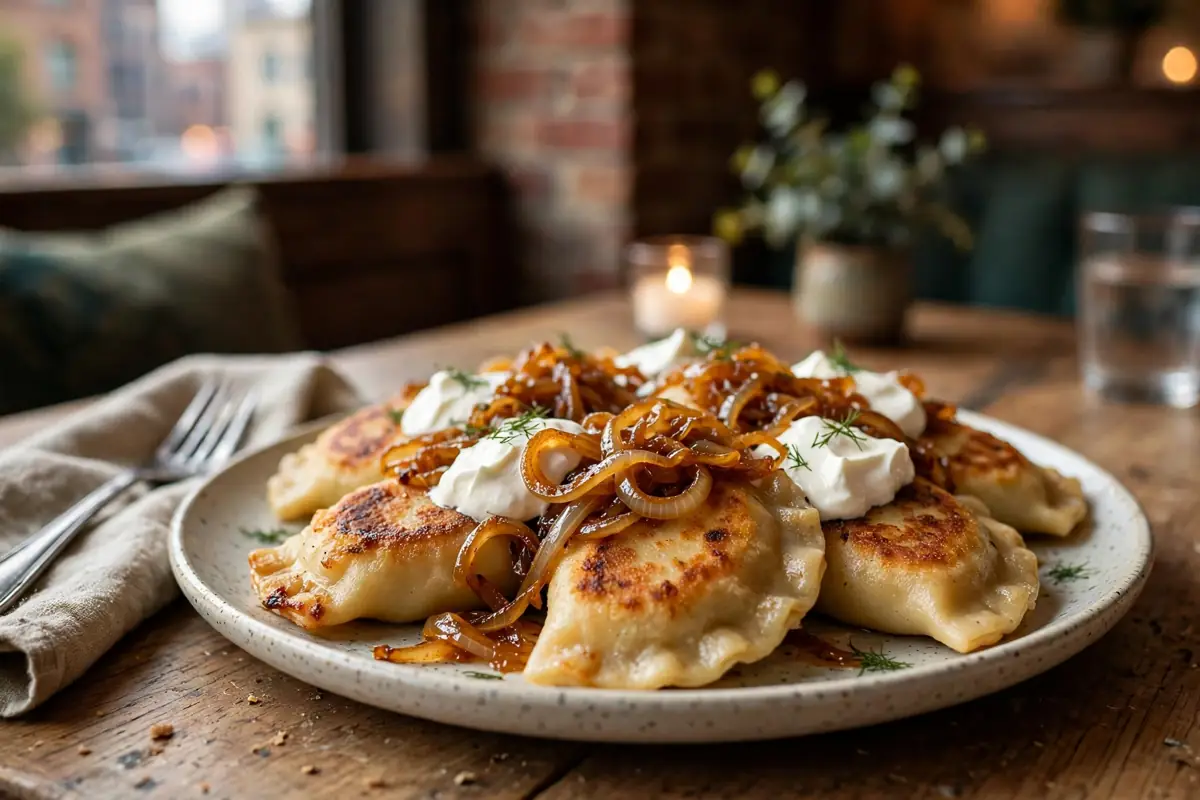
In Pittsburgh, most pierogies are boiled first, then pan-fried in butter until golden. That two-step method gives them a soft interior and a crisp, buttery edge. The classic toppings are caramelized onions and sour cream, and many locals add butter, chives, or bacon for extra flavor.
Church pierogies are a special category. Many Pittsburgh parishes sell handmade pierogies as fundraisers, and locals plan their weeks around pickup days. These pierogies are often made by volunteers using family recipes, and they can be some of the best in the city.
1. Potato and Cheese: The Classic
Potato and cheese is the pierogi against which all others are judged. The filling should be smooth, creamy, and well seasoned, with enough cheese to taste but not so much that it overwhelms the potato. The dough should be thin, and the pierogi should be fried until the edges crisp.
Order it with onions and sour cream, and do not skip the butter. A good potato and cheese pierogi tastes simple and comforting, like the best home cooking. It is also a great first choice if you have never tried pierogies before. Comfort food lovers who enjoy a simple classic will also appreciate the best burgers in New York City, where quality ingredients matter just as much as technique.
2. Sauerkraut Pierogies
Sauerkraut pierogies offer a tangy contrast to the richer fillings. The sauerkraut should be well drained and seasoned, not sour for its own sake, and it should be balanced with onions or mushrooms. When done right, these pierogies taste bright, savory, and surprisingly light.
Sauerkraut pierogies pair well with sausage, mustard, and a cold beer. They are also a favorite at festivals, where they are often served hot from a griddle. If you love tangy, fermented flavors, this filling should be high on your list.
3. Mushroom and Onion
Mushroom pierogies are earthy, savory, and deeply satisfying. The best versions use a mix of mushrooms, cooked down with onions until they are rich and concentrated. The filling should taste like mushrooms, not like filler, and it should hold together without being dry.
This is a great choice for vegetarians, and it pairs beautifully with sour cream and fresh herbs. Mushroom lovers will also enjoy exploring other hearty comfort foods, from cheesesteaks in Philadelphia to Italian beef in Chicago, where savory fillings take center stage.
4. Meat and Potato
Meat pierogies, often filled with seasoned ground beef, pork, or a mix, are heartier and more filling. The meat should be well seasoned and moist, not dry or crumbly, and it should be balanced with potato or onion so the filling stays tender.
These pierogies are excellent with gravy, onions, and sour cream. They make a full meal on their own, especially when served with a side of sauerkraut or cabbage. If you are hungry after a day exploring Pittsburgh, this is the filling to order.
5. Sweet Pierogies and Dessert Options
Not all pierogies are savory. Sweet pierogies filled with fruit, farmer’s cheese, or sweetened potato are a beloved dessert or breakfast option in Eastern European cooking. Plum, blueberry, and cherry fillings are especially popular, and they are often served with butter, sugar, and sour cream.
Sweet pierogies taste best when the fruit is ripe and the dough is delicate. They are lighter than cake or pie, but still satisfying. If you see them on a menu or at a festival, try at least one. You may discover a new favorite.
6. Church Festivals and Community Pierogies
Pittsburgh church festivals are one of the best places to try pierogies. Volunteers roll, fill, and cook hundreds of dozens, and the recipes often come from families who have made them for generations. The atmosphere is festive, the prices are fair, and the pierogies are made with care.
Check local festival calendars before your visit, especially in summer and fall. Arrive early, because popular fillings sell out. And bring cash, since some festival booths do not take cards. Festival food culture also shines in other cities, from the beignets in New Orleans to the donuts in Los Angeles.
7. Restaurant Pierogies: Creative Twists
Pittsburgh restaurants also offer creative pierogies that go beyond the classics. You might find buffalo chicken pierogies, cheesesteak pierogies, loaded pierogies with bacon and cheese, or pierogies served as nachos. These twists can be fun, especially if you already love the classic versions.
The best creative pierogies still respect the basics: good dough, well-seasoned filling, and careful frying. A gimmick that hides poor dough will not impress a Pittsburgher. Try one creative order alongside a classic, so you can compare them fairly.
8. Pierogies at the Ballpark and Beyond
No Pittsburgh pierogi guide is complete without the ballpark. Pierogies have become a beloved symbol at Pittsburgh baseball games, where costumed pierogi characters race and fans cheer for their favorite filling. It is playful, local, and unmistakably Pittsburgh.
Beyond the ballpark, you will find pierogies at food trucks, delis, and specialty shops across the city. Some shops sell frozen pierogies to cook at home, which makes a great souvenir. Ask how to cook them: boil first, then fry in butter, and serve with onions and sour cream.
How to Order the Best Pierogies in Pittsburgh
Start with a mixed dozen if the restaurant allows it. A mix lets you try potato and cheese, sauerkraut, and mushroom in one order, and it helps you learn your preferences quickly. Order onions and sour cream on the side if you want to control the toppings.
Ask whether the pierogies are handmade and how they are cooked. Handmade pierogies often have slightly irregular shapes, which is a good sign. Machine-made pierogies can still be good, but handmade ones usually have better dough and filling.
Pair pierogies with a simple side, like cabbage, sauerkraut, or a salad, rather than a heavy second main dish. Pierogies are filling, and a light side keeps the meal balanced. For more handheld comfort food inspiration, check out the hot dogs in Chicago and the wings in Buffalo.
What to Pay and When to Go
A plate of pierogies in Pittsburgh usually costs $10 to $18, depending on the filling and the restaurant. Church festival pierogies are often cheaper, especially when sold by the dozen. Frozen pierogies to take home usually cost less per piece and make an excellent gift.
Festival season runs from late spring through fall, with many events on weekends. Restaurants serve pierogies year-round, so you can enjoy them in any season. Winter is a great time for a cozy pierogi dinner, especially after a walk through a snowy Pittsburgh neighborhood. If your travels take you to the West Coast, the best food trucks in America offer another fun way to sample regional comfort food on the go.
Common Mistakes to Avoid
The biggest mistake is overcooking pierogies until they are hard or greasy. They should be golden and crisp, not dark brown and oily. Another mistake is skipping the onions and sour cream, which add flavor and balance.
Do not judge a pierogi by its size alone. A smaller, well-filled pierogi often tastes better than a large, doughy one. And do not assume all pierogies taste the same. Fillings, dough, and cooking methods vary widely, so try more than one place before you pick a favorite.
Frequently Asked Questions About the Best Pierogies in Pittsburgh
Are pierogies fried or boiled?
Most Pittsburgh pierogies are boiled first, then pan-fried in butter. This gives them a tender interior and a crisp, golden exterior.
What is the most popular filling?
Potato and cheese is the classic favorite, followed closely by sauerkraut. Mushroom and meat fillings are also popular across the city.
Can I buy frozen pierogies in Pittsburgh?
Yes. Many churches, delis, and specialty shops sell frozen pierogies. Boil them, then fry in butter, and serve with onions and sour cream.
Conclusion
The best pierogies in Pittsburgh are more than a meal. They are a connection to the families, churches, and neighborhoods that built the city. Start with potato and cheese, try sauerkraut and mushroom, and visit a festival if you can. Eat them hot, with butter, onions, and sour cream, and enjoy the simple pleasure of a dumpling done right. Pittsburgh’s pierogi culture is warm, proud, and delicious, and it is waiting for you at the next table. For another classic American comfort food journey, the lobster rolls in Portland and the crab cakes in Baltimore are excellent next stops.