Surrounded by water on all sides, New York City has a seafood birthright, and the hunt for the best seafood in New York takes you from historic oyster bars to modern raw bars to waterfront restaurants with skyline views. This is a city that once had so many oysters they were street food, and today’s scene honors that legacy while embracing global influences. From buttery lobster rolls to pristine crudo, from clam shacks to white-tablecloth fish temples, NYC’s seafood landscape is as deep as the Atlantic at its doorstep. This guide covers what to eat, where to find it, and how to judge freshness like a pro.
New York’s seafood advantage is logistics. The city’s wholesale markets and airport connections mean fish arrives from everywhere: day-boat scallops from New England, tuna from the Pacific, hamachi from Japan, branzino from the Mediterranean. The best restaurants buy whole fish and break it down in-house, a mark of seriousness you can taste. Combined with the city’s Italian, Japanese, Portuguese, and New England culinary traditions, New York offers a seafood education no other American city can match.
Oysters: New York’s Original Obsession
Before New York was a pizza city or a bagel city, it was an oyster city. In the 1800s, oysters were so abundant in New York Harbor that they sold for pennies from street carts. Pollution killed the wild beds, but the oyster culture survived in the city’s grand oyster bars, and the modern revival has brought dozens of varieties from both coasts to raw bars across the five boroughs.
Happy hour is the smart way to eat oysters in New York. Many top raw bars offer dollar or two-dollar oysters on weekday afternoons, letting you sample broadly without spending a fortune. Learn the regional differences: East Coast oysters like Blue Points and Wellfleets are briny and crisp, while West Coast varieties like Kumamotos and Kusshis are creamy and sweet. Order a mixed dozen and taste the geography. Our guide to the New England lobster rolls covers another Northeastern seafood icon.
How to Eat Oysters Like a Local
Keep it simple: a squeeze of lemon, a drop of mignonette, or nothing at all. Great oysters need no cocktail sauce. Chew once or twice to release the flavor; swallowing whole wastes the experience. And always check the tag or ask the source; a good raw bar knows exactly where every oyster came from. Pair your oyster education with our guide to the best clam chowder in New England for the full Northeastern seafood canon.
Lobster Rolls and New England Classics
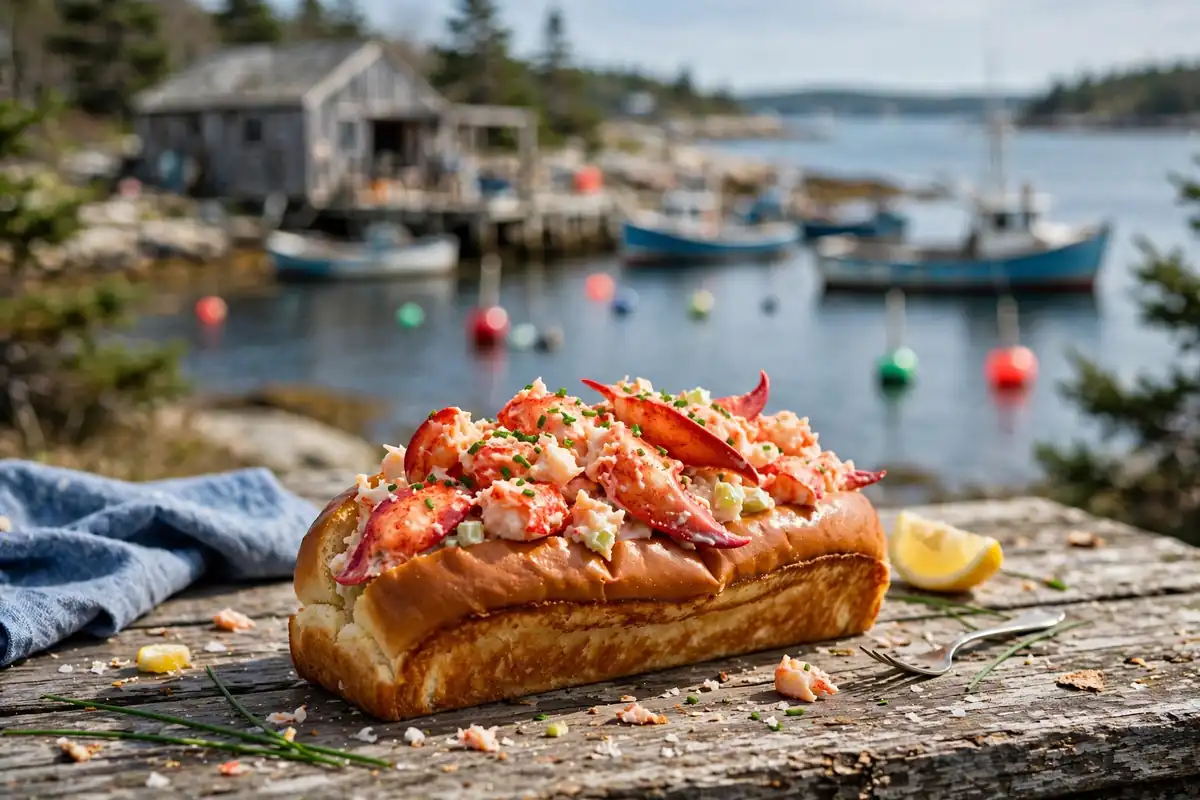
The lobster roll might be New England’s dish, but New York does it superbly. The debate between Connecticut style (warm, buttered) and Maine style (cold, mayo-dressed) rages here as fiercely as anywhere. The best versions use claw and knuckle meat, generous portions, and a toasted split-top bun. Summer brings lobster roll season into full swing, with dedicated shacks and upscale versions appearing across the city.
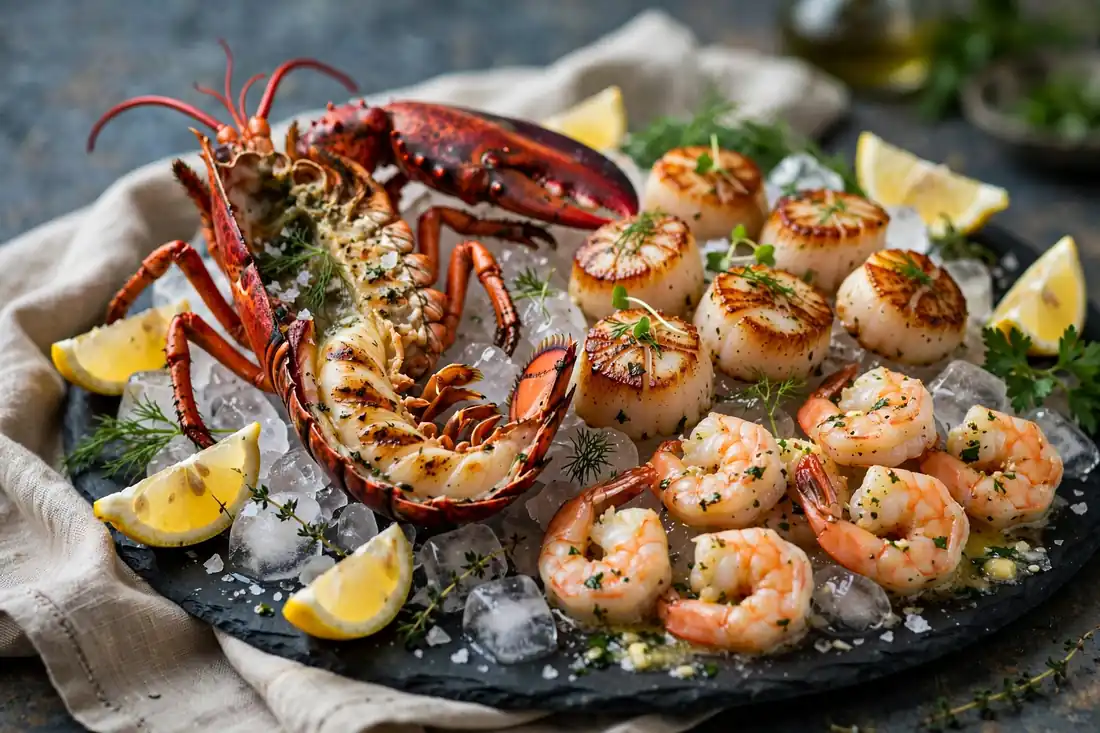
Beyond the roll, look for whole steamed lobsters, lobster mac and cheese, and New England clam bakes at the city’s seafood restaurants. The Italian-American tradition contributes lobster fra diavolo and seafood pastas loaded with shrimp, scallops, and calamari. Our guide to the best lobster rolls in Boston takes you to the source for comparison.
Crudo, Ceviche, and Raw Preparations
New York’s Italian restaurants pioneered crudo in America, and the city’s raw fish preparations remain among its finest seafood experiences. Crudo, simply sliced raw fish with olive oil, citrus, and sea salt, showcases pristine product with minimal intervention. Ceviche, the Peruvian and Latin American tradition of citrus-cured fish, brings brighter, bolder flavors.
The key to great crudo is the fish itself: it must be sushi-grade, impeccably fresh, and cut with precision. Top crudo menus change daily based on what arrived that morning. Ceviche should taste vibrant and fresh, with the acid curing the fish without cooking it to mush. Both are ideal starters that wake up the palate. For more raw-fish mastery, our guide to the best sushi in New York covers the Japanese tradition, while our Peruvian ceviche guide USA explores ceviche’s roots.
Choosing Fish at the Market
If you cook, New York’s fish markets are treasure troves. Look for clear eyes, red gills, firm flesh that springs back when pressed, and a clean ocean smell. Whole fish should be packed in ice, never sitting in meltwater. Ask the monger what came in today and what is best for your planned preparation. Building a relationship with a good fishmonger is one of the great pleasures of cooking in this city.
Waterfront Dining and Seafood Neighborhoods
Eating seafood with water views elevates the experience, and New York offers plenty of options: the Brooklyn waterfront, Long Island City in Queens, City Island in the Bronx, and the South Street Seaport in Manhattan. City Island, in particular, is a hidden gem, a former fishing village with old-school seafood restaurants serving fried calamari, linguine with clam sauce, and whole fish to generations of loyal customers.
Each borough brings its own seafood character. Manhattan has the upscale raw bars and white-tablecloth fish restaurants. Brooklyn offers creative seafood in casual settings. Queens, especially Flushing, has outstanding Chinese and Korean seafood preparations. The Bronx’s Arthur Avenue area pairs Italian seafood with market shopping. For a different coastal perspective, our guide to the Pacific Northwest seafood guide explores the other coast’s bounty.
What to Order: A Seafood Lover’s Checklist
Start raw: oysters, crudo, or ceviche to calibrate the kitchen’s sourcing. Move to simply prepared fish: whole branzino, grilled swordfish, or pan-roasted salmon with crispy skin. These preparations reveal quality without hiding behind sauces. Then explore the specialties: cioppino, bouillabaisse, seafood towers, and regional dishes that show the chef’s range.
Do not overlook the humble preparations. Fried calamari, done right with a light coating and quick fry, is a joy. Clams casino, oysters Rockefeller, and shrimp cocktail are classics for a reason. And fish and chips, the pub staple, separates serious kitchens from sloppy ones by the quality of the batter and the freshness of the oil. Complete your NYC food tour with our guides to the best pizza in New York and best brunch in New York.
Clam Shacks and Fried Seafood
New York’s fried seafood tradition deserves its own pilgrimage. Clam shacks, often seasonal and near the water, serve fried clams with bellies, crispy oysters, fish and chips, and clam strips. The best use fresh oil, light batter, and serve immediately. Eating fried clams outdoors in summer is a Northeastern ritual that New York does proudly.
What separates great fried seafood is the fry itself. Oil must be hot and fresh; batter should be light enough to shatter; seafood must be drained properly. Soggy fried seafood is a kitchen failure, not a style. The best shacks have lines because they never compromise on the fry. Tartar sauce should be house-made, lemon wedges abundant.
Chowders and Bisques
New England clam chowder, creamy and rich, and Manhattan clam chowder, tomato-based and briny, both have devoted New York followings. The debate between them is spirited but friendly. Great chowder features tender clams, proper potatoes, and balanced seasoning. Lobster bisque, when done well, is pure luxury. These soups shine in cold months. Our guide to the best clam chowder in New England takes you to the source, while our New England lobster rolls guide covers the region’s other icon.
Sushi-Grade Fish and Poke
New York’s poke scene brings Hawaiian tradition to the city. The best poke bowls feature sushi-grade tuna or salmon, seasoned rice, and fresh toppings. What distinguishes great poke is fish quality; it must be pristine. Customizable bowls let you build your ideal combination, while signature bowls showcase the kitchen’s balance.
Poke is distinct from Japanese tradition but equally demanding of freshness. Look for vibrant color, clean flavor, and rice at proper temperature. The best poke shops source with sushi-bar seriousness. Our hawaiian poke bowl guide explores the dish’s origins in depth.
Seafood Stews: Cioppino and Bouillabaisse
Seafood stews showcase a kitchen’s range and sourcing. Cioppino, the San Francisco Italian-American classic, brims with crab, clams, mussels, shrimp, and fish in tomato-wine broth. Bouillabaisse, the Provençal original, demands specific Mediterranean fish and saffron. Both require pristine seafood and confident seasoning. The best versions taste of the ocean amplified, with broth you will mop up with bread until the bowl is clean. These are ideal cold-weather orders and impressive date-night choices.
Fried Calamari Done Right
Proper fried calamari is a joy: light coating, quick fry, tender squid, not rubbery rings. The difference between great and terrible calamari is entirely technique. Great versions use fresh squid, seasoned flour, hot oil, and immediate serving. Marinara or aioli for dipping, lemon wedges essential. It is a simple dish that reveals kitchen standards instantly.
Conclusion
The best seafood in New York honors the city’s harbor heritage while embracing the world’s oceans, from historic oyster bars to cutting-edge crudo counters. Learn to judge freshness, follow the seasons, and never pass up a good oyster happy hour. In a city surrounded by water, eating well from the sea is not a luxury but a birthright.
Whether you are a local or just visiting, exploring the food scene is one of the best ways to experience the culture and character of any American city. Take your time, try something new, and enjoy every bite of your culinary adventure.