A great steak dinner is one of life’s great rituals, and the quest for the best steak in Dallas leads through some of the finest beef rooms in America. This is cattle country, and Dallas treats steak with the reverence it deserves: Uptown’s power-dining steakhouses, Highland Park’s white-tablecloth institutions, dry-aging rooms on display, and beef sourced from ranches the chefs know by name. The metro’s business culture made the steakhouse its cathedral, and the competition among the top rooms is fierce. Whether you want a classic bone-in ribeye, Japanese wagyu, or a bistro bavette at half the price, this guide will teach you how to judge great steak, where the experiences live, and how to order like a regular.
Uptown: Dallas’s Steakhouse Capital
Uptown Dallas is the city’s business-dining heart, where deals close over bone-in ribeyes and the martini is sacred. The classic rooms here execute the traditional playbook flawlessly: dry-aged Prime beef, broiled at volcanic heat, served sizzling with a deep char and buttery interior. The service is polished, the wine lists deep, the atmosphere humming with celebration. For the definitive old-school experience, the best steak in New York old-guard rooms have their equals on McKinney Avenue.
What separates the great Dallas steakhouses is execution at every step. USDA Prime or equivalent, dry-aged in-house 28 days or more, cooked precisely to temperature. Sides that matter: creamed spinach, hash browns, lobster mac. Service that anticipates. When it all clicks, a Dallas steak dinner is one of the great American dining experiences, worth the splurge for the nights that demand ceremony. The best steak in Los Angeles power rooms run the same playbook, but Dallas does it with Texas beef.
The modern wave has evolved the format. Newer steakhouses blend classic beef with contemporary energy: open kitchens, dry-aging on display, natural wines, chefs with fine-dining pedigrees. These rooms attract younger crowds without sacrificing fundamentals, proving the steakhouse has plenty of life left. The competition keeps everyone sharp, which is good news for anyone hunting the best steak in Dallas.
How to Judge a Great Steak
Start with grade and aging. USDA Prime’s marbling is the baseline for top-tier rooms, and dry-aging concentrates flavor while tenderizing. Twenty-eight days develops nutty complexity; past 45 the funk intensifies for devotees. Ask about the aging program, because a proud steakhouse will happily tell you. The best steak in Dallas comes from rooms that control this process.
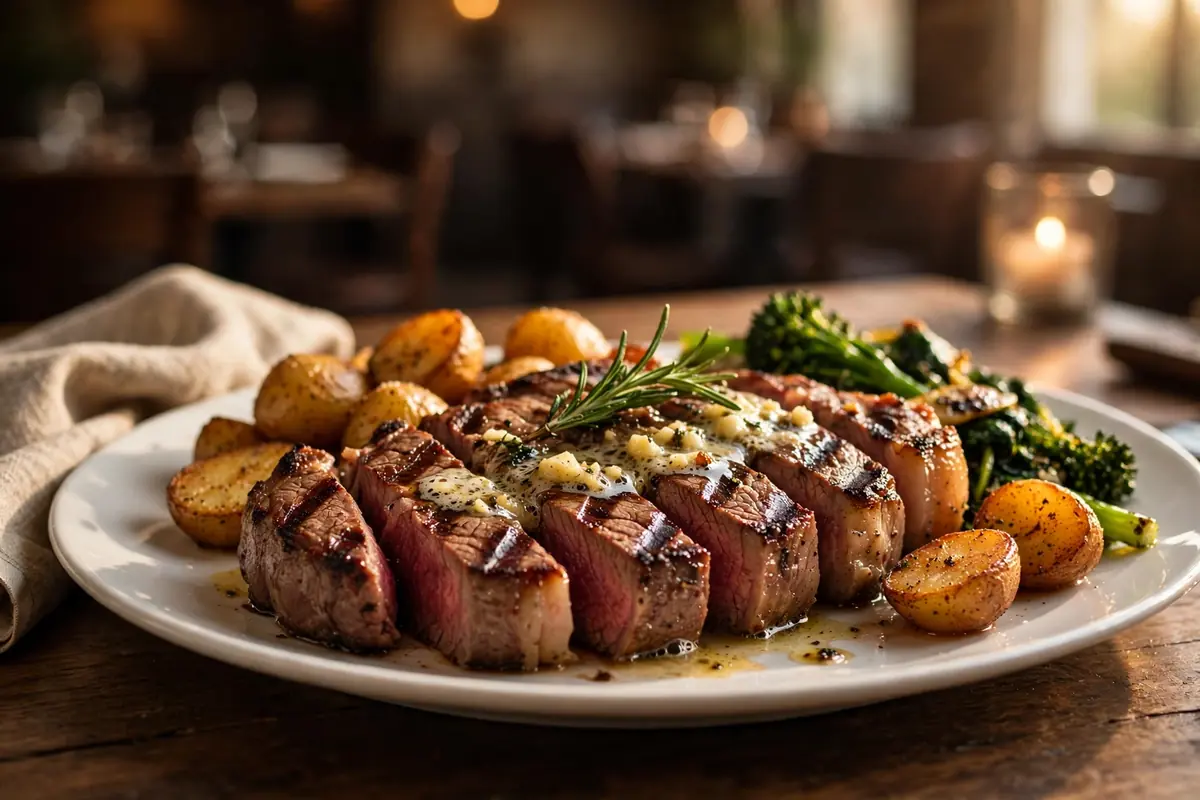
Know your cut. Ribeye: richest marbling, beefiest flavor, the connoisseur’s choice. Filet: most tender, mildest. Strip: the satisfying middle with a fat cap that bastes. Porterhouse: strip and filet in one massive cut, built for sharing. Bone-in adds flavor and drama. Knowing your preference before sitting down makes ordering confident and the meal better.
Temperature is where kitchens prove themselves. Medium-rare, warm red center, is the sweet spot for most cuts, rendering marbling without overcooking. A great kitchen nails it consistently, which sounds basic but separates elite from average. Do not fear sending back a genuinely mistimed steak at a top room; the best houses would rather re-fire. This standard applies everywhere great beef is served, from the best steak in Chicago to the best steak in Houston.
Where to Find the Best Steak in Dallas
Steak lives across the metroplex in very different rooms. Here is how to pick yours.
Classic Uptown and Highland Park Rooms
The grand rooms of Uptown and Highland Park remain the benchmark: dark wood, white tablecloths, serious martinis, beef aged with patience. Special-occasion destinations where ritual matters, from the relish tray to the towering chocolate cake. Expect 100 dollars or more per person with drinks, and expect the room to deliver. Compare with our top steakhouse chains ranked to see how Dallas independents stack up.
Modern Steakhouses and Chef-Driven Beef
The Design District and Harwood areas host the modern wave: open kitchens, aging rooms on display, adventurous beef programs with Japanese and Australian wagyu, grass-fed options, lesser cuts given star treatment. Current without gimmicks, attracting diners who want great steak in a room that feels like tonight. The best steak in Atlanta modern rooms share this energy.
Argentine, Brazilian, and Fire Traditions
Dallas’s South American grills bring fire-driven traditions: Argentine parrillas over wood with chimichurri, Brazilian churrascarias parading picanha in rodizio format. Festive, generous, excellent value for big appetites and groups. The format turns dinner into a celebration, and the meats keep coming until you surrender.
Bistros and the Smart-Money Steaks
For steak without steakhouse prices, the metro’s French bistros and neighborhood grills serve hanger, bavette, and flat iron with frites at half the tariff. Once butcher’s secrets, these cuts deliver deep flavor when cooked right. The weeknight steak solution and the smartest value in the city’s beef landscape. The best steak in Miami bistro scene offers the same savvy play.
Ordering Like a Steakhouse Regular
Begin with the right drink. A classic martini or Manhattan is the traditional opener; for wine, Napa cabernet or Bordeaux blend is canonical, tannins cutting through marbling. Ask the sommelier for guidance at your price point. The best fine dining in USA energy of a great steakhouse deserves a great pour.
Order sides for the table. Creamed spinach, roasted mushrooms, hash browns, asparagus: the classic supporting cast, shared family-style. One or two sides per two people is plenty alongside a big steak. Shrimp cocktail remains the undefeated opener.
Consider the tomahawk or porterhouse for two. Showpiece cuts bring theater and value, often better per ounce than individual steaks. Confirm the total price before ordering, since market-priced giants can surprise. For celebrations, they are hard to beat, a logic the best steak in San Francisco showpiece rooms share.
Steakhouse Bars: The Insider’s Value Play
The smartest steak deal in Dallas is the bar seat. Most top steakhouses serve their full burger and steak menu at the bar, often with happy-hour pricing on pours and appetizers, delivering the room’s quality without the dining-room commitment. A wagyu burger and a well-made Manhattan at the bar of a great Uptown steakhouse is one of the city’s great value plays, and the bartenders at these rooms are often the most knowledgeable in the building. Regulars know: the bar is where the real Dallas steak culture lives, a truth the best steak in Austin bar crowds share.
Bar menus hide gems beyond burgers. Steak bites, beef carpaccio, French onion soup, and wedge salads built for sharing: these are the dishes the kitchen is proud of, priced for the after-work crowd. Pair them with a happy-hour old fashioned and you have a steakhouse experience at a fraction of the dinner tariff. The best steak in Denver bar scenes run the same insider playbook, but Dallas invented the power-dining bar.
Lunch is the other value window. Many Dallas steakhouses serve lunch menus with smaller steaks, steak salads, and sandwich builds at prices far below dinner. The beef is the same quality, the room is calmer, and the martini is just as cold. For the steak lover on a budget, the weekday lunch at a great steakhouse beats a Saturday dinner at a mediocre one every time.
Celebrations, Business Dinners, and Occasions
Dallas steakhouses are built for occasions. Anniversaries, closings, promotions, proposals: the city’s top rooms have hosted them all, and they know how to make a night feel important. Tell the restaurant when you book, because the good ones will note the celebration and treat it accordingly, from a complimentary dessert to the best table in the room. The best date night in USA energy of a great steakhouse is real, and Dallas rooms deliver it with Texas warmth.
Business dining is the steakhouse’s native habitat, and Dallas wrote the modern rules. The private dining rooms of Uptown and Highland Park host the deals that shape the Texas economy, with service trained to be invisible and wine lists built to impress. If you are hosting, let the sommelier and captain guide the evening; that is what they are for. A well-run business dinner at a great steakhouse pays for itself in goodwill, a lesson the best steak in Seattle and best steak in Boston power diners know well.
For the truly special nights, the showpiece cuts await: tomahawks, porterhouses for two, whole chateaubriand carved tableside. These are theater and value in one, and they turn dinner into a memory. Book ahead, confirm pricing, and bring people you like. Whether it is a Tuesday bar burger or an anniversary tomahawk, the pursuit of the best steak in Dallas rewards those who know the rooms, and the best steak in Phoenix resort diners would agree: great beef, great company, no rush.
Prices, Strategy, and the Full Experience
Classic Dallas steakhouses run 75 to 120 dollars per person before drinks, with premium cuts pushing higher. Modern rooms land similarly, Brazilian rodizio offers the feast at 50 to 80, and bistro steaks run 28 to 45, the city’s best beef bargain. These prices sit below the coasts for comparable quality, another Texas advantage.
Happy hours and restaurant weeks are the value windows. Top steakhouses discount bar-menu steaks and pours early evenings; restaurant weeks bring prix-fixe menus citywide. And the butcher shops sell dry-aged cuts for home cooking, the ultimate insider move. Whether it is a Tuesday bavette or an anniversary tomahawk, the pursuit of the best steak in Dallas rewards those who know the rooms, trust the aging, and never rush a great piece of Texas beef.