Looking for the best sushi in Austin? You might be surprised by what this Texas city offers. Far from the coast, Austin has developed a serious sushi scene — with skilled chefs, pristine fish flown in daily, and omakase experiences that rival coastal cities. From traditional Edomae-style counters to creative roll shops, this guide covers everything you need to know about sushi in Austin.
Why Austin’s Sushi Scene Works
Great sushi is about skill and sourcing, not proximity to the ocean. Austin’s top sushi chefs train for years — many in Japan — mastering rice, knife work, and fish handling. And modern logistics mean the best fish from Tokyo’s Toyosu Market, the Gulf, and Hawaii can reach Austin within 24 hours. The result: the best sushi in Austin is genuinely excellent.
The city’s food-savvy diners have embraced quality sushi, supporting a growing number of serious restaurants. Competition keeps standards high. Whether you want a $15 lunch special or a $200 omakase, Austin’s sushi scene delivers. For omakase specifically, see our best sushi omakase in the USA.
Understanding Sushi: A Quick Primer
A little knowledge enhances every sushi meal. Here are the basics.
Nigiri vs. Maki vs. Sashimi
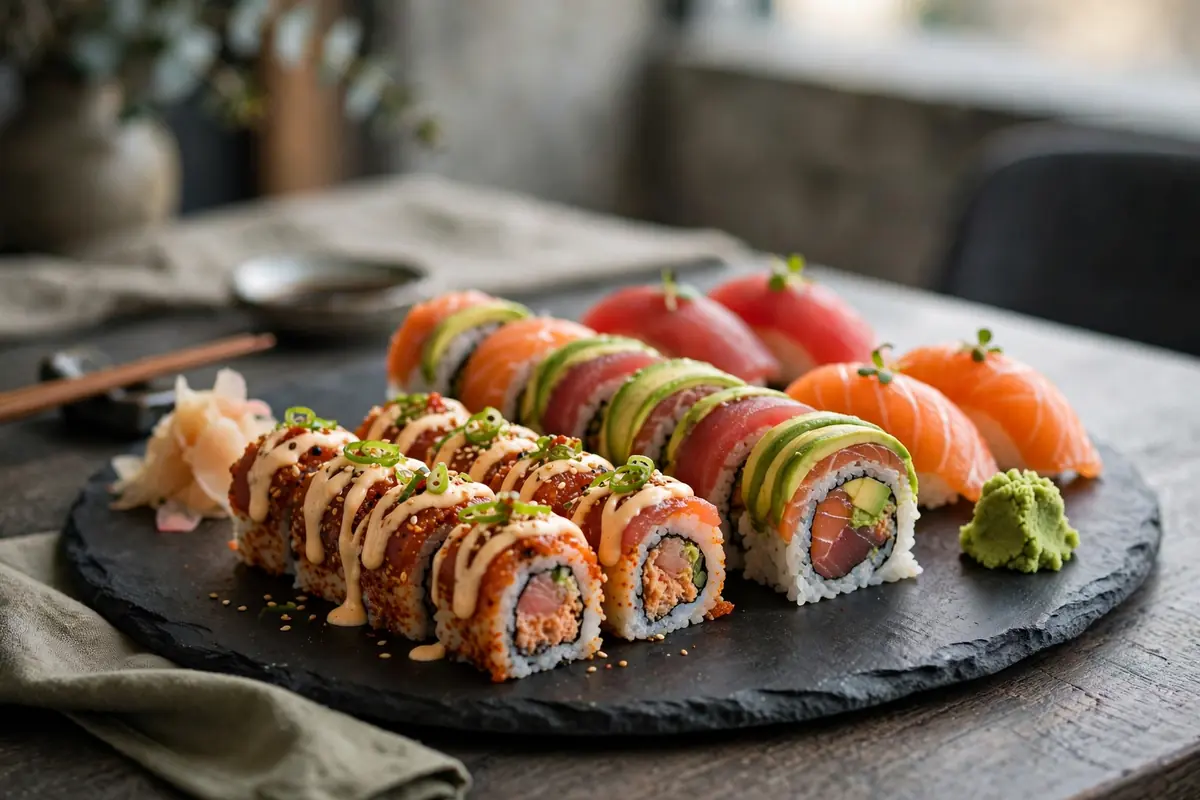
Nigiri is the purist’s choice: a slice of fish draped over seasoned rice, often with a dab of wasabi between. The chef’s skill shows in the rice — warm, loosely packed, seasoned with just the right vinegar balance. Maki rolls wrap fish, rice, and fillings in nori seaweed. Sashimi is sliced raw fish without rice, showcasing the fish in its purest form.
At traditional counters, start with lighter white fish and progress to richer options like salmon, tuna, and uni (sea urchin). End with tamago (sweet egg omelet), the classic finale. This progression lets you appreciate each flavor fully.
Omakase: Trust the Chef
Omakase means “I’ll leave it up to you.” You surrender to the chef, who serves a progression of the day’s best — often 15 to 20 courses. It is the ultimate sushi experience and the best way to taste the best sushi in Austin. Omakase is pricier, but the education and delight are worth it for special occasions.
Omakase etiquette: arrive on time, do not wear strong perfume, and eat each piece promptly as served. It is fine to eat nigiri with your fingers — that is traditional. And do not drown your sushi in soy sauce; a light touch (fish-side down) is correct.
Top Sushi Restaurants in Austin
These are the places that anchor Austin’s sushi reputation.
The Omakase Counters
Austin has several serious omakase counters where skilled chefs serve Edomae-style sushi. These intimate rooms — often seating fewer than a dozen — offer the city’s most refined sushi experiences. Reservations are essential, and prices reflect the quality. For a special night out, this is the pinnacle of the best sushi in Austin.
Expect pristine fish, perfectly seasoned rice, and thoughtful touches like house-made soy sauces and fresh-grated wasabi. The chefs will explain each piece — ask questions and savor the education. Pair with our best date night in the USA guide for a memorable evening.
Neighborhood Sushi Bars
Beyond the high-end counters, Austin has excellent neighborhood sushi bars serving quality nigiri, creative rolls, and Japanese small plates at moderate prices. These are the weeknight-friendly spots with loyal followings. The fish is fresh, the rice is right, and the atmosphere is welcoming.
Many neighborhood spots offer great lunch specials — sushi combos, bento boxes, and chirashi bowls at prices that make regular visits possible. These represent some of the best value in the best sushi in Austin landscape.
Creative Roll Shops
For a fun, casual experience, Austin’s creative roll shops serve inventive maki with local twists. Think rolls with tempura shrimp, spicy tuna, mango, and creative sauces. These are crowd-pleasers — great for groups, families, and sushi newcomers. The presentations are often as impressive as the flavors.
Must-Try Sushi and Dishes
Beyond the basics, here are dishes to seek out when exploring the best sushi in Austin.
Toro and Bluefin Tuna
Toro — the fatty belly of bluefin tuna — is sushi’s most luxurious bite. It melts on the tongue with rich, buttery flavor. Austin’s top counters source quality bluefin; when you see toro on the menu, order it. Otoro (the fattiest cut) is the ultimate indulgence.
Uni (Sea Urchin)
Uni is divisive but beloved — creamy, briny, with a sweet ocean flavor. Quality varies enormously; great uni is sublime, poor uni is forgettable. Austin’s best sushi bars source premium uni from Hokkaido, Santa Barbara, or Maine. If you have never tried it, a top-tier counter is the place to start.
Chirashi and Poke Bowls
Chirashi — scattered sashimi over seasoned rice — offers omakase-level fish in a casual bowl format. It is one of the best values in sushi. Poke bowls, the Hawaiian cousin, are also popular in Austin, with fresh tuna, salmon, and creative toppings. For more poke, see our Hawaiian poke bowl guide.
Japanese Small Plates
Do not overlook the cooked dishes. Miso black cod, hamachi kama (yellowtail collar), agedashi tofu, and pork gyoza showcase the kitchen’s broader skills. A great sushi restaurant is a great Japanese restaurant, and these dishes round out the meal beautifully.
Sushi by Neighborhood
Downtown
Downtown Austin hosts several of the city’s top sushi destinations, including high-end omakase counters and stylish restaurants. These are destination dining rooms — plan your evening around them. The concentration of quality makes downtown the easiest area for a sushi-focused night out.
North Austin
North Austin has a thriving Asian food scene, with excellent sushi bars alongside Korean, Chinese, and Vietnamese restaurants. Prices tend to be friendlier than downtown, and the quality is outstanding. This is where many sushi-obsessed locals eat regularly.
South and East Austin
South and East Austin offer creative, casual sushi spots that match the neighborhoods’ eclectic energy. Expect inventive rolls, fun atmospheres, and good value. These are great for groups and casual nights out.
Sushi Tips for Austin Diners
A few tips for the best experience. Lunch is often the best value — many top spots offer discounted lunch menus with the same quality fish. Happy hours at sushi bars can be excellent, with discounted rolls and drinks. For the freshest selection, dine earlier in the week when new fish shipments arrive — ask your server what just came in.
If you are new to sushi, start with a neighborhood spot rather than an omakase counter. Order a variety — a sushi combo, a specialty roll, and a small plate — to discover your preferences. And do not fear the raw: quality sushi fish is pristine and delicious. For more Japanese food, explore our Japanese food in Austin guide.
Beyond Sushi: More Austin Eating
While the best sushi in Austin is a highlight, the city’s food scene is vast. Tacos are essential — see the best tacos in Austin. Barbecue is a must; check the best BBQ in Austin. Burger fans should see Austin’s burger guide, and pizza lovers will enjoy the best pizza in Austin.
Austin’s dining scene rewards the curious. From food trucks to fine dining, the city serves it all with Texas-sized hospitality. Come hungry and explore.
Sake, Beer, and Sushi Pairings
The right drink elevates sushi from great to unforgettable. Sake is the classic pairing — its clean, subtle flavors complement rather than overpower delicate fish. Junmai and ginjo sakes are excellent all-rounders; ask your server for a recommendation. Many of Austin’s top sushi spots have knowledgeable staff who love guiding sake selections.
Japanese beer — crisp, dry lagers — is another perfect match, especially with richer rolls and fried appetizers. For the adventurous, some Austin sushi bars offer Japanese whisky or shochu. And do not overlook green tea: the traditional, palate-cleansing companion to sushi. Whatever you choose, the best sushi in Austin deserves a thoughtful pour alongside it.
What to Drink: A Quick Guide
For nigiri-focused meals, choose a clean junmai ginjo served chilled. With spicy rolls and bold flavors, a crisp lager or sparkling sake works beautifully. Rich dishes like toro and uni pair wonderfully with a slightly richer junmai. When in doubt, ask — Austin’s sushi professionals take pride in their beverage programs. For more on Japanese drinking culture, explore our Japanese food in San Francisco guide for West Coast comparisons.
Sushi on a Budget in Austin
Great sushi does not have to break the bank. Austin offers plenty of ways to enjoy quality fish affordably. Lunch specials are the best deal — many top spots serve the same fish at significantly lower prices midday. Happy hours often feature discounted rolls, nigiri, and drinks.
Grocery-store sushi has also improved dramatically, with some Austin markets offering surprisingly good options for a quick fix. And casual conveyor-belt or hand-roll shops provide fun, affordable introductions to sushi. Save the omakase splurge for special occasions, and enjoy excellent everyday sushi the rest of the time. For more affordable dining, see our best budget eats in the USA.
The Future of Sushi in Austin
Austin’s sushi scene is still growing, and the future looks delicious. New omakase counters continue to open, raising the bar for everyone. Young chefs trained in Japan are bringing fresh ideas while respecting tradition. Sustainable sourcing is becoming a priority, with more restaurants highlighting responsibly caught fish.
The city’s embrace of quality sushi shows no signs of slowing. As Austin grows, so does its appetite for exceptional Japanese food. Whether you are a longtime sushi lover or a curious newcomer, there has never been a better time to explore the best sushi in Austin. For the national omakase picture, see our best sushi omakase in the USA roundup.
Conclusion
The best sushi in Austin proves that world-class sushi thrives far from the sea. With skilled chefs, pristine fish, and experiences ranging from casual rolls to transcendent omakase, Austin’s sushi scene deserves a place on every food lover’s itinerary. So pick up your chopsticks and discover the delicious surprise of sushi in the Texas capital.