It surprises first-time visitors, but the search for the best BBQ in New York leads to some of the finest smoked meat in America. This is not a city with a native barbecue tradition, yet New York’s smokehouses have earned national respect by mastering the regional styles of Texas, the Carolinas, Kansas City, and beyond, then adding the city’s characteristic intensity and ambition. From Central Texas brisket with bark like black glass to Carolina pulled pork with tangy vinegar sauce, NYC’s BBQ scene is deep, competitive, and absolutely worth your time. This guide covers the styles, the must-order meats, and how to eat barbecue like you mean it.
New York’s barbecue renaissance began in earnest in the 2000s, when pitmasters who had trained in Texas and the Carolinas started opening serious smokehouses in Brooklyn and Manhattan. They brought real wood smokers, whole packer briskets, and low-and-slow technique to a city that had previously settled for oven-baked ribs with liquid smoke. The learning curve was steep, but the results now rival the source regions. Today, the best BBQ in New York draws pilgrims from across the country, and the city’s top pitmasters compete in national competitions.
BBQ Styles You Will Find in NYC
Central Texas style dominates the serious end of New York barbecue. It is defined by brisket seasoned with just salt and pepper, smoked over post oak until the bark is dark and the fat renders into the meat. Ribs are beef or pork, sauce is served on the side or not at all, and the sides are simple: white bread, pickles, onions. The philosophy is that great meat needs no adornment. New York’s best Texas-style joints take this creed seriously.
Carolina barbecue brings whole-hog and pulled pork traditions, with vinegar-based sauces in the east and tomato-vinegar in the west. Kansas City style contributes burnt ends, thick sweet sauce, and a parade of meats. Memphis offers dry-rub ribs. Each tradition has its partisans in New York, and the best BBQ crawls sample across styles rather than pledging allegiance to one. For a deeper dive into the source, our guide to the Texas BBQ road trip guide maps the pilgrimage every BBQ lover should make.
The Brisket Benchmark
Brisket is the ultimate test of a smokehouse. It is the hardest meat to get right: a whole packer brisket needs 12 to 16 hours of steady smoke, precise temperature control, and the judgment to pull it at exactly the right moment. Great brisket has a dark, peppery bark, a visible smoke ring, meat that pulls apart with gentle tension rather than falling to mush, and rendered fat that bastes every bite. Order the fatty point cut if you can; it is richer and more forgiving than the lean flat. Judging brisket is like judging our guide to the best steak in New York: it all comes down to the quality of the meat and the skill of the fire.
The Holy Trinity: Brisket, Ribs, and Pulled Pork
Every serious BBQ order starts with the trinity. Brisket, as described above, is the headline. Ribs come in two main forms: St. Louis-cut spare ribs, meaty and rectangular, and baby backs, smaller and more tender. Great ribs have a bite that pulls cleanly from the bone without falling off; meat that slides off the bone is actually overcooked by competition standards, though many casual eaters love it that way.
Pulled pork, from the pork shoulder or Boston butt, is the most forgiving and often the most soulful of the smoked meats. Smoked for 12 hours or more, it develops a crusty bark outside and succulent strands inside. In Carolina style it gets chopped and dressed with vinegar sauce; in New York’s eclectic smokehouses it might appear in sandwiches, tacos, or platters. Do not overlook it in favor of brisket; at many joints, the pulled pork is the sleeper star.
Burnt Ends, Sausage, and the Supporting Cast
Burnt ends, the caramelized cubes cut from the brisket point, are Kansas City’s gift to barbecue and a must-order wherever they appear. Double-smoked and sauced, they are intense nuggets of bark, fat, and smoke. They sell out early at the best places, so order them first or arrive early. House-made sausage, another Texas tradition, ranges from coarse-ground peppery links to jalapeno-cheddar creations, all snappy-cased and deeply smoky.
Turkey breast, smoked until juicy with crisp skin, has become a dark-horse favorite at top smokehouses. Chicken, often overlooked, can be superb when brined and smoked properly. And the best joints offer specials: beef ribs the size of dinosaur bones, pastrami-cured short ribs, or whole smoked chickens. Ask what is special that day; pitmasters put their creativity into limited runs.
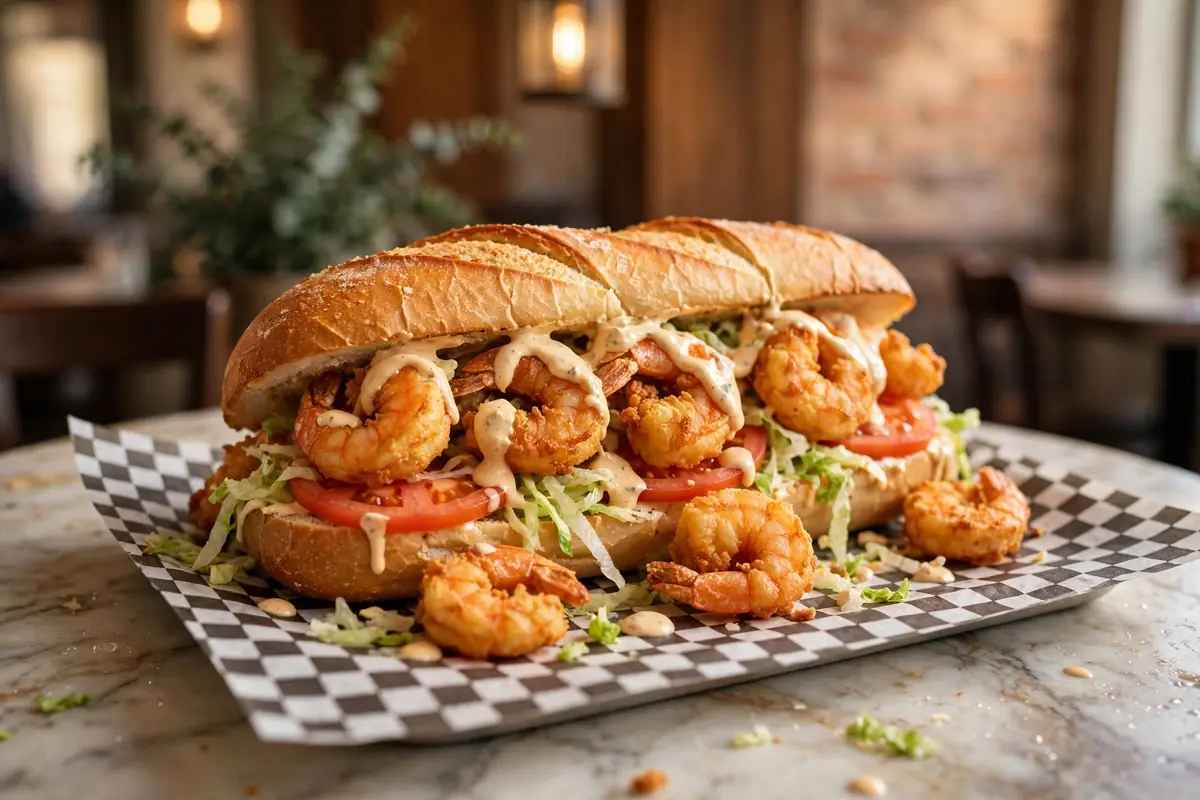
As the culinary landscape of America continues to evolve, the barbecue scene in New York is not alone in its quest for excellence. Just as NYC’s smokehouses have crafted their identity by blending regional techniques and local flair, other cities like New Orleans showcase their own unique food traditions. Take, for example, the iconic po’boy sandwich, a dish that embodies the spirit of New Orleans with its rich history and diverse fillings. For those seeking to explore the city’s culinary gems, the best po’boys in New Orleans reflect the same dedication to craft that New York’s barbecue masters bring to their smoked meats. Each bite of a well-made po’boy tells a story of cultural fusion and local pride, much like the brisket and ribs that have earned NYC its barbecue acclaim. This parallel not only highlights the vibrant tapestry of American cuisine but also invites food lovers to embark on a cross-country journey of flavor.
Sides That Complete the Plate
Sides are not afterthoughts at great BBQ joints. Collard greens, mac and cheese, baked beans with burnt-end bits, cornbread, coleslaw, and pickles each play a role in balancing the richness of smoked meat. The best sides are made from scratch with the same care as the meats. A pro move: order family-style so the table can share multiple sides. Then finish with banana pudding or pecan pie, the classic BBQ desserts. For more Southern inspiration, our guide to the southern comfort food tour explores the cuisine’s roots.
BBQ Neighborhoods in New York
Brooklyn remains the heart of New York barbecue, with Williamsburg, Red Hook, and Gowanus hosting the pioneering smokehouses that built the scene. These are often large, casual spaces with communal tables, long lines, and the smell of wood smoke drifting for blocks. Manhattan’s BBQ options cluster downtown and in Midtown, serving lunch crowds and dinner dates with slightly more polished rooms.
Queens has excellent, underrated BBQ, often at better prices than Manhattan or Brooklyn. The Bronx and Staten Island have their own loyal smokehouses worth seeking out. Wherever you go, the telltale sign of a serious joint is the smell: real wood smoke, not gas or electric with wood chips. If you cannot smell the smoker from outside, manage your expectations. Travelers should also see our guide to the best BBQ in Los Angeles for the West Coast’s take on smoke.
How to Order BBQ Like a Pitmaster
Order by weight, not by plate, at serious smokehouses. The classic move is to order a half-pound each of two or three meats, plus sides to share. This lets you taste broadly without overcommitting. Brisket should be ordered moist or fatty cut when available. Ask the cutter what looks best today; they know which brisket rested perfectly and which ribs just came off the smoker.
Go early. Barbecue is cooked in finite daily batches, and the best items sell out. Arriving at opening or for an early lunch gives you first pick. Popular joints often sell out of brisket or burnt ends by mid-afternoon on weekends. Sauce goes on the side for tasting, not drowning; great barbecue needs little sauce, and the house sauces are worth sampling in small amounts. Pair your smoke knowledge with our guide to the best burgers in New York for more meat mastery.
BBQ Etiquette and Tips
Expect lines and embrace them; they are part of the experience and a sign of quality. Most serious joints use cafeteria-style ordering: you slide along the counter, point at meats, and carry a tray to your table. Cash and cards are both widely accepted now, but some old-school spots remain cash-only. Portions are generous; a half-pound of meat per person plus shared sides is plenty for most appetites. And save room: the best BBQ meals end with you planning your return visit before you have finished eating.
BBQ Sauces: A Field Guide
Sauce is barbecue’s most debated accessory. Kansas City style is thick, sweet, and tomato-based. Carolina vinegar sauce is thin, tangy, and peppery. South Carolina mustard sauce brings golden tang. Texas generally skips sauce or offers it thin on the side. Alabama white sauce, mayo-based and peppery, is a revelation on smoked chicken. New York’s eclectic smokehouses often offer flights of sauces, letting you sample the canon.
The purist position is that great barbecue needs no sauce, and there is truth in it. But sauce has its place: as a complement, a contrast, a way to customize. Use it sparingly, taste the meat first, and match sauce to meat. Vinegar cuts fatty pork beautifully; sweet sauce loves burnt ends. Our guide to the Nashville hot chicken tour explores another sauced Southern tradition, while our best fried chicken in USA guide covers crispy birds nationwide. For sauce-making inspiration, our southern comfort food tour dives into Southern pantry essentials, and our Kansas City BBQ rankings compares the sauce capital’s finest.
BBQ and Beer Pairings
Smoked meats love beer: lagers cut fat, IPAs complement bark’s bitterness, stouts match chocolatey brisket notes. Many smokehouses offer excellent craft selections. For more on drink pairings, our best craft cocktails in USA guide explores the cocktail world.
Conclusion
The best BBQ in New York proves that great smoked meat is about technique and obsession, not geography. From Texas-style brisket to Carolina pulled pork to Kansas City burnt ends, the city’s smokehouses cover the American barbecue canon with skill and passion. Arrive hungry, order broadly, respect the bark, and do not skip the sides. In a city that adopts every cuisine and makes it its own, barbecue has found an unlikely but delicious home.