San Francisco was built on seafood, and the best seafood in San Francisco remains one of the city’s greatest treasures. From the Dungeness crab boats at Fisherman’s Wharf to the cioppino pots simmering in North Beach, from oyster bars in Hayes Valley to sushi counters in Japantown, the ocean’s bounty shapes how this city eats. Few American cities have a seafood culture this deep or this delicious.
This guide dives into the local catches that define the scene, the neighborhoods and restaurants where seafood shines, and practical tips for eating well from the Pacific. Seafood lovers should also explore our best seafood in New York and best seafood in Los Angeles guides for more coastal dining.
What Makes the Best Seafood in San Francisco Special
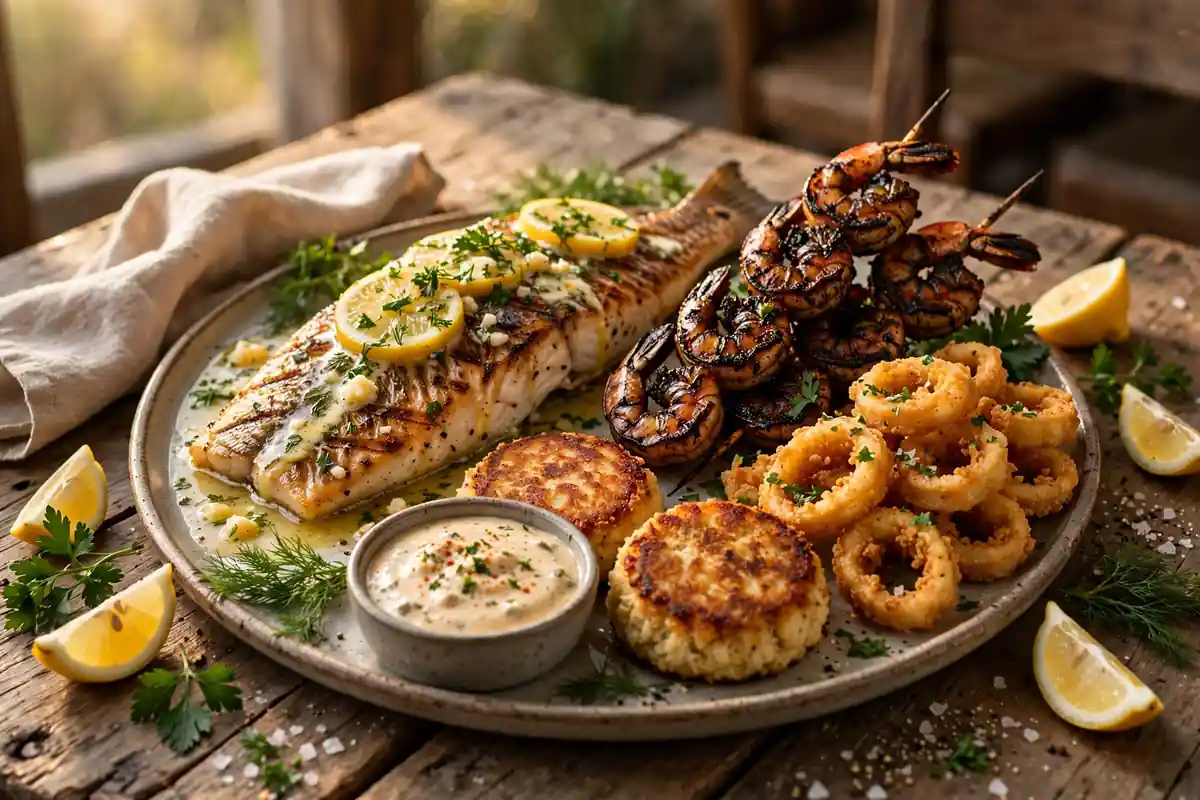
The best seafood in San Francisco starts with proximity. The cold, nutrient-rich waters off the California coast produce exceptional Dungeness crab, halibut, salmon, petrale sole, sanddabs, and oysters. Local fishermen deliver their catch daily, and the best restaurants build their menus around what the boats bring in. That dock-to-plate freshness is something inland cities simply cannot match.
Seasonality shapes everything. Dungeness crab season, typically running from late fall through spring, is practically a civic holiday, with crab feeds and cracked-crab dinners all over town. Salmon season brings prized king salmon to menus in summer. Eating with the seasons is not just a philosophy here; it is how the seafood calendar works. The best restaurants change their offerings as the catches change.
Dungeness Crab: The Local Star
Dungeness crab is San Francisco’s signature seafood, sweet, delicate, and abundant in season. The classic preparation is simply steamed or boiled and served cracked, with drawn butter and sourdough bread for sopping up every drop. Crab Louie salad, crab cakes, and crab cioppino all showcase it beautifully. When crab is in season, eating it is practically mandatory.
Buy whole cooked crab from markets and fishmongers for the freshest experience at home. Look for heavy crabs that feel full, and ask the fishmonger when they were caught. Cracking crab at home with friends, newspaper on the table and butter warming on the stove, is one of the great San Francisco traditions. Do not miss it during season.
Cioppino: The City’s Signature Stew
Cioppino, the tomato-based seafood stew invented by Italian fishermen in North Beach, is San Francisco’s most famous dish. A proper cioppino brims with crab, shrimp, clams, mussels, and white fish in a rich, garlicky broth, served with grilled sourdough for dipping. Every restaurant has its own version, and debating the best is a beloved local pastime.
The dish tells the story of the city: Italian immigrants making use of the day’s catch, creating something greater than the sum of its parts. Eating cioppino in North Beach, where it was born, connects you to generations of San Francisco food history. It is hearty, messy, and deeply satisfying, especially on a foggy evening.
Where to Eat Seafood: Neighborhoods
Fisherman’s Wharf is the tourist-famous seafood district, and while it has its share of traps, it also has genuine gems. The crab stands and historic restaurants have served visitors for generations, and eating clam chowder in a sourdough bread bowl while watching the sea lions is a classic experience. Go with realistic expectations and you will have fun.
North Beach offers the Italian side of the seafood story, with cioppino, seafood pastas, and grilled fish at old-school institutions. The neighborhood’s restaurants have deep roots and loyal followings. Hayes Valley and the Mission bring modern energy, with oyster bars, raw bars, and creative seafood restaurants. Our best pizza in San Francisco guide covers more neighborhood dining.
The Ferry Building and Farmers Markets
The Ferry Building Marketplace is a seafood lover’s paradise, with fishmongers, oyster bars, and restaurants all under one historic roof. Saturday farmers markets bring fishermen selling directly to the public. It is the best place to see the full range of local catch and to buy fish to cook at home. The building itself, with its clock tower and bay views, makes every visit memorable.
Japantown and Asian Seafood
San Francisco’s Asian communities contribute enormously to the seafood scene. Japantown’s sushi and izakaya spots, Chinatown’s live-tank seafood restaurants, and Vietnamese and Thai places with stellar fish preparations all deserve exploration. Salt-and-pepper crab, whole steamed fish with ginger and scallions, and hamachi kama are highlights. This diversity is one of the city’s great strengths. See our best sushi in San Francisco for more.
How to Choose and Order Seafood
Freshness is everything with seafood, and a few signs tell you a restaurant takes it seriously. The fish should smell like the ocean, not fishy. Menus should change with the seasons and name their sources. Oysters should be served ice-cold with the liquor intact. These details separate the great seafood restaurants from the mediocre ones.
When in doubt, order what is local and in season. Ask your server what came in today; the answer reveals the kitchen’s priorities. Whole fish preparations, when available, are often the best value and the most flavorful option. And do not overlook the humble sanddab, a small local flatfish that is sweet, delicate, and quintessentially San Franciscan. For more ordering confidence, check our best steak in San Francisco guide.
Oysters 101
San Francisco’s oyster bars are outstanding, featuring varieties from Tomales Bay, Hog Island, and the Pacific Northwest. West Coast oysters tend to be creamy and sweet, with cucumber and melon notes. Order a sampler to taste the differences, and try them with just a squeeze of lemon first. Mignonette and cocktail sauce are fine, but great oysters need little adornment.
Happy hour is the smart way to enjoy oysters, with many bars offering dollar or two-dollar oysters on weekday afternoons. It is one of the best deals in the city and a perfect after-work ritual. Learn your favorite varieties and you will order with the confidence of a regular.
Sustainable Seafood Choices
San Francisco diners care about sustainability, and the best restaurants do too. Look for spots that follow Monterey Bay Aquarium Seafood Watch guidelines and can tell you where their fish comes from. Choosing well-managed fisheries supports the local fishing community and keeps the ocean healthy. Asking about sourcing is not pretentious; it is responsible.
Cooking Seafood at Home
The city’s fish markets and farmers markets make home cooking easy. Buy the freshest fish you can find, keep preparations simple, and let the quality shine. A whole roasted fish with lemon and herbs, seared scallops with brown butter, or garlic-butter shrimp all come together in minutes. Fresh seafood needs little help.
Crab feeds are the ultimate home seafood event. Buy cooked Dungeness crab in season, set out crackers, picks, melted butter, and sourdough, and let everyone dig in. Add a green salad and cold beer or white wine, and you have a feast. It is messy, fun, and deeply San Franciscan.
Chowder in a Bread Bowl
Clam chowder served in a hollowed sourdough boule is the iconic San Francisco seafood meal. The best versions are creamy but not gluey, packed with clams and potatoes, and served with the bread lid for dipping. Making it at home is a project, but eating it at the Wharf or a local institution is a rite of passage. Every visitor should try it once, and many locals never stop.
Prices and Planning
Seafood prices vary widely. Chowder bread bowls and fish tacos make for affordable meals under 20 dollars, while whole Dungeness crab dinners and upscale seafood restaurants run 40 to 80 dollars per person. Oyster happy hours offer luxury at bargain prices. Markets let you eat like royalty at home for less.
Crab season is the time to splurge, with restaurants offering special menus and markets full of fresh catch. Summer brings salmon and halibut. Year-round, oysters and farmed shellfish are reliably excellent. Plan your seafood adventures around the seasons for the best experience and value. Compare coastal dining with our best seafood in Miami and best seafood in Seattle guides.
Reservations and Timing
Popular seafood restaurants fill up on weekends, so book ahead for dinner. Waterfront spots are busiest at sunset, when the views are spectacular. Weekday lunches are calmer and often cheaper. For markets, morning is best for the freshest selection. Time your visit right and you will eat better for less.
Seafood Festivals and Seasonal Events
San Francisco celebrates its seafood with festivals and events throughout the year. Crab season kickoff brings special menus and crab feeds across the city, with restaurants competing for the best preparations. Fleet Week and waterfront festivals feature seafood vendors alongside the festivities. These events are delicious ways to taste widely and celebrate the local catch.
Farmers markets often host seafood-focused days with cooking demos and tastings. Oyster festivals showcase varieties from Tomales Bay and beyond, with shucking competitions and pairings. Following local food calendars helps you catch these events, which sell out quickly. They are some of the most fun food experiences in the city. For more event-worthy dining, see our best brunch in San Francisco guide.
Conclusion
The best seafood in San Francisco connects you to the Pacific and to the city’s history in every bite. From Dungeness crab to cioppino to perfect oysters, the ocean provides and the city’s cooks deliver. Eat seasonally, try the classics, and do not miss crab season. For more, see our best ramen in San Francisco and best seafood in Houston guides.