Few foods carry as much cultural weight as the tamale, and nowhere in the United States is that weight felt more deliciously than in San Antonio. The best tamales in San Antonio are not just food; they are family history wrapped in corn husks, steamed until tender, and unwrapped at tables where three generations might be eating together. This is a city where tamale season is a real season, where Christmas means dozens upon dozens, and where the debate over the best tamale maker is settled only by loyalty, never by logic.
This guide takes you through the essential tamale experiences in San Antonio: the Market Square institutions, the family-run operations that sell out by noon, the holiday traditions that turn tamale-making into a community event, and what to look for when you are buying tamales by the dozen. Whether you are a first-timer or a lifelong devotee, you will leave knowing exactly where to go.
Why San Antonio Is America’s Tamale Capital
San Antonio’s claim to the tamale crown rests on history and demography. As one of the oldest Spanish settlements in what is now the United States, the city has been making tamales for centuries — far longer than the dish has existed in most of the country. The techniques came north with Mexican families and took root in a city where Mexican-American culture is not a subculture but the mainstream.
What makes San Antonio’s tamale culture special is its depth. This is not a city with a few good tamale shops; it is a city where excellent tamales are the baseline expectation. Gas stations, church fundraisers, office Christmas parties, wedding receptions — tamales show up everywhere, and the quality bar is high because everyone grew up eating great ones. The same cultural depth defines the city’s other food traditions, from its legendary Texas barbecue to the breakfast tacos that fuel every morning.
Market Square and Downtown: The Classic Tamale Experience
The Institutions of El Mercado
No tamale pilgrimage is complete without a stop at Market Square, the largest Mexican market in the United States. The food vendors here have been serving tamales to locals and tourists for generations, and the best stalls have lines that move with practiced efficiency. This is where you taste the classics: pork in red chile, chicken in green chile, bean and cheese, and sweet tamales that work as dessert.
The Market Square experience is about more than the tamales themselves. The music, the colorful stalls, the smell of masa steaming — it all adds up to something that feels like a celebration even on an ordinary Tuesday. Eat your tamales at one of the market’s restaurants, where they arrive with rice, beans, and the kind of hospitality that makes you want to stay for hours. For more on the city’s essential food experiences, our guide to the best tacos in San Antonio covers the other half of the equation.
Downtown Restaurants and Historic Rooms
Downtown San Antonio’s historic restaurants serve tamales in settings that have hosted diners for a century or more. These are the white-tablecloth versions: tamales plated with elegant sauces, served alongside margaritas in rooms with hand-painted tiles and fountains. The setting elevates the experience without diminishing the soul of the dish.
These restaurants are also where many visitors have their first great tamale, and they do not disappoint. The quality is consistently high because the reputations at stake are enormous. After dinner, walk the River Walk and you will understand why San Antonio’s food culture is inseparable from its sense of place. The city’s best margaritas are never far away either.
Best Tamales in San Antonio: The Neighborhood Legends
Family Operations and Word-of-Mouth Wonders
The most beloved tamales in San Antonio often come from the least assuming places: a family’s home kitchen with a regular customer list, a tiny storefront with a hand-painted sign, a weekend operation that sells out by 10 a.m. These are the tamales that locals buy by the dozen and guard the sources of like family secrets.
Finding these spots requires local knowledge or lucky timing. Ask San Antonians where they get their Christmas tamales and watch their eyes light up — then watch them hesitate before telling you, because the best sources have limited capacity. The tamales from these operations share certain qualities: masa that is light and flavorful rather than dense, fillings that taste of real chiles rather than powder, and the unmistakable care of food made by hand in small batches. The same hunt-for-the-hidden-gem energy drives our search for the best tacos in Austin, just up the road.
What to Look for in a Great Tamale
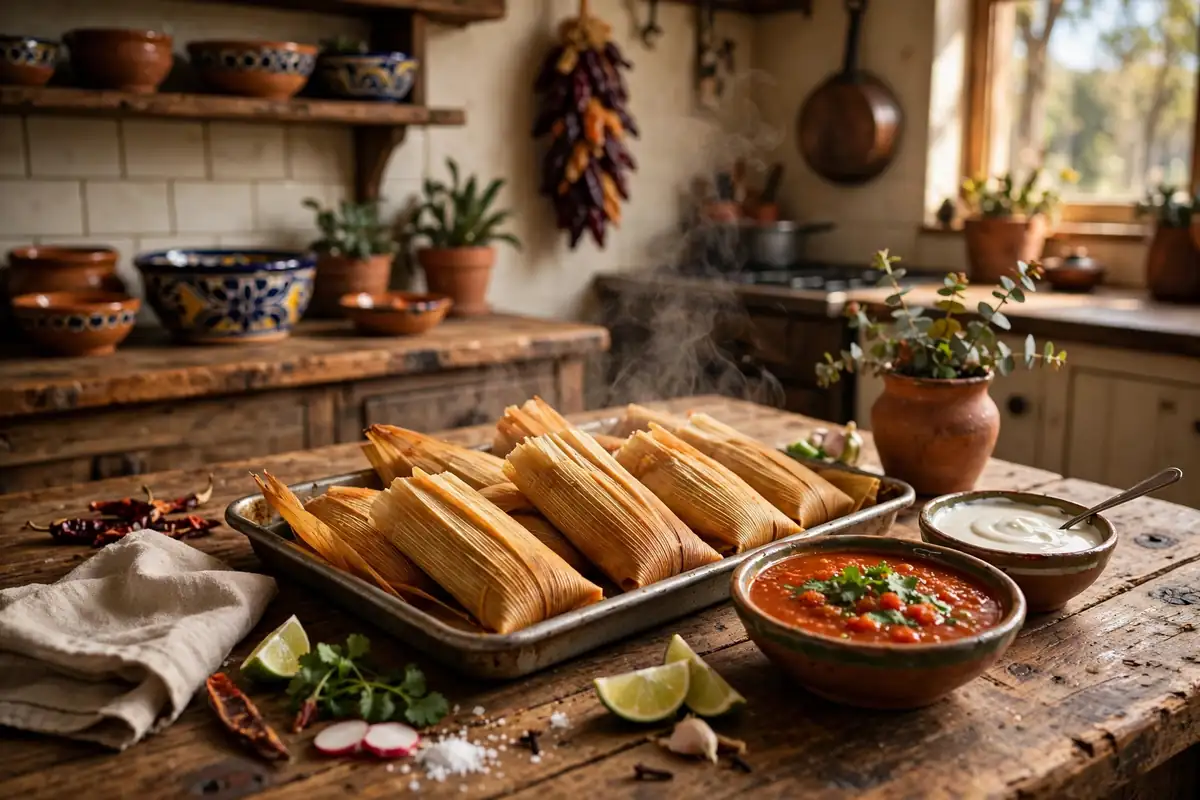
A great tamale starts with the masa: it should be light, moist, and flavorful, with a texture that holds together but yields easily. Dense, dry, or bland masa is the mark of a rushed job. The filling should be generous and well-seasoned — pork that falls apart, chicken with real chile flavor, beans that taste creamy rather than pasty.
The wrapper matters too. Corn husks should peel away cleanly, leaving the tamale intact; if the masa sticks stubbornly, something went wrong in the steaming. Size is a matter of style — some makers do fat, generous tamales, others do smaller, more delicate ones — but consistency within a batch is the sign of a practiced hand. These quality markers are universal across great regional foods, from Kansas City barbecue to New Orleans gumbo.
Tamale Season: Christmas Traditions and Tamaladas
The Christmas Dozens
In San Antonio, Christmas and tamales are inseparable. Families order dozens — sometimes hundreds — for holiday gatherings, and the city’s tamale makers work around the clock through December. The tradition, rooted in Mexican Catholic culture, turns the holiday into a weeks-long celebration of masa, family, and community.
If you are visiting during the holidays, order early. The best tamale makers take Christmas orders weeks in advance and sell out completely. And if you are lucky enough to be invited to a family’s tamale table, bring something to drink and prepare to eat more than you planned. The hospitality is as generous as the portions. For more on how the holidays taste across the South, our guide to soul food in Atlanta covers another essential tradition.
Tamaladas: The Tamale-Making Party
The tamalada — the communal tamale-making gathering — is one of the great food traditions in America. Family and friends assemble to spread masa, fill, fold, and steam hundreds of tamales in an afternoon, with music, drinks, and gossip fueling the production line. It is part cooking session, part party, part family reunion.
The tamalada is also how tamale knowledge passes between generations. Grandmothers teach grandchildren the feel of properly mixed masa, the right amount of filling, the fold that seals everything in. In a city changing as fast as San Antonio, the tamalada is a living link to the past. Similar community food traditions thrive across the country, from the fish fries of the New Orleans seafood scene to the barbecue gatherings of the Carolinas.
How to Buy, Store, and Reheat Tamales
Buying by the Dozen
Tamales are sold by the dozen, and the smart move is to buy more than you think you need. They freeze beautifully, reheat perfectly, and make the best emergency meals in existence. When buying, ask what is fresh that day — the best vendors will tell you honestly — and do not be afraid to mix varieties.
Price is rarely a concern; tamales remain one of the great food bargains, with dozens often costing less than a single restaurant entree. But do not confuse affordable with cheap: the labor in a great tamale is enormous, and the best makers deserve every penny. The value proposition rivals the great deals in our guide to America’s best food trucks, where quality consistently outruns price.
Reheating Without Ruining Them
The best way to reheat tamales is to re-steam them: a few minutes in a steamer basket restores the masa to its original tenderness. The microwave works in a pinch — wrap the tamale in a damp paper towel and heat gently — but the texture suffers. Never boil a tamale, and never reheat one without its husk unless you are crisping it in a skillet, which is a legitimate and delicious alternative.
Properly stored tamales keep for days in the refrigerator and months in the freezer. Wrap them tightly to prevent freezer burn, and label the varieties if you bought an assortment — future you will be grateful. A freezer stocked with great tamales is one of life’s quiet luxuries, right up there with the well-planned leftovers from Texas barbecue feasts.
Beyond the Classic: Tamale Variations Worth Trying
Sweet Tamales and Regional Styles
Do not leave San Antonio without trying sweet tamales. Filled with cinnamon-spiced fruit, cajeta, or chocolate, they are dessert and tradition in one husk. The best sweet tamales balance the corn flavor of the masa with the filling — neither too sugary nor too plain.
San Antonio’s position near the border also means you will find regional Mexican styles: Oaxacan tamales wrapped in banana leaves, with their distinctive earthy flavor; tamales de rajas with roasted poblano strips; and seasonal specials that appear around holidays. Each style is worth seeking out. For a broader tour of regional Mexican cooking, our guide to Mexican food in Los Angeles covers the West Coast’s essential spots.
Conclusion
The best tamales in San Antonio are more than a meal; they are a connection to centuries of tradition, to families who have perfected their recipes over generations, and to a city that treats this humble food with the reverence it deserves. Buy them by the dozen, learn to spot great masa, and respect the tamalada. In San Antonio, the tamale is not just food — it is identity, served steaming hot.