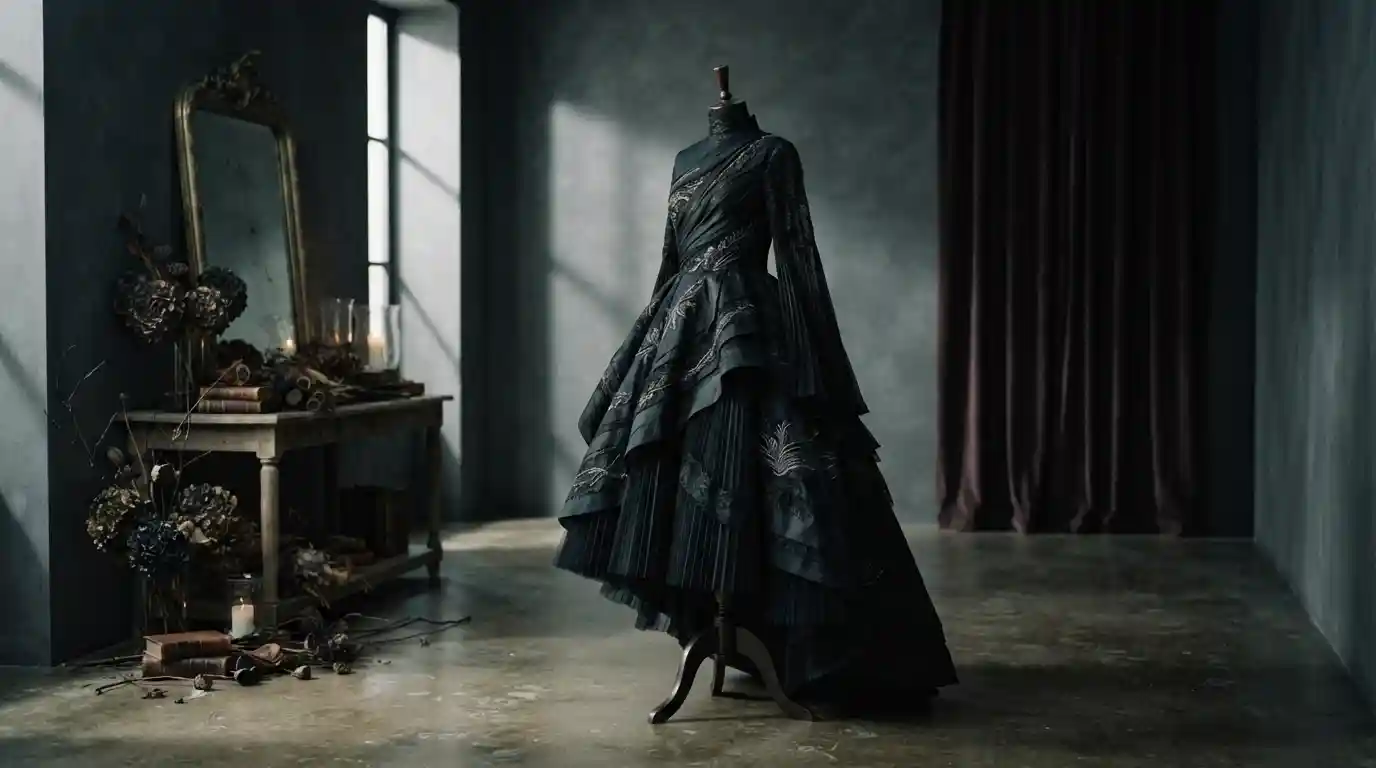
What Does Defile Corpse Fashion Mean?
The term “defile corpse fashion” can sound like the name of a contemporary fashion movement, but it is more accurately understood as a dark visual concept rather than a clearly established mainstream fashion category. One important reference is Défilé, an artistic project by the Russian collective AES+F that combines ideas of high fashion, beauty, mortality, and death.
The project intentionally creates an uncomfortable contrast. Fashion normally communicates vitality, youth, aspiration, and transformation, while a corpse represents stillness, mortality, and the unavoidable end of physical life. Bringing those two subjects together creates an image that can be beautiful, disturbing, surreal, or all three at once.
This distinction matters because the phrase should not automatically be interpreted as an endorsement of disrespect toward deceased people. In an artistic context, the corpse can function as a symbol through which artists examine mortality, cultural attitudes toward death, and society’s fascination with physical appearance.
The Connection Between Fashion and Mortality
Fashion is temporary by nature. Trends change, collections are replaced, silhouettes evolve, and garments that seem contemporary today can look dated years later. Death represents the opposite extreme: permanence and finality.
That contrast gives dark fashion imagery considerable symbolic power. A luxurious garment placed within a death-related setting can raise questions about why people invest so much meaning in appearance when physical life itself is temporary.
This idea also connects with broader conversations about beauty and transformation. Readers interested in unusual interpretations of beauty may also enjoy exploring beauty and skincare concepts, where appearance is approached from a much more conventional perspective.
Why Dark Fashion Continues to Attract Attention
Dark aesthetics have a long history in fashion and popular culture. Black clothing, dramatic silhouettes, theatrical makeup, distressed materials, gothic styling, and macabre imagery have all appeared in different forms across fashion history.
Part of the attraction comes from contrast. A dark aesthetic can make an otherwise familiar garment appear mysterious, rebellious, theatrical, or emotionally intense.
This is one reason historical fashion themes can repeatedly return. For example, the dramatic visual language associated with 1920s gangster fashion demonstrates how clothing can communicate an atmosphere and cultural identity beyond its practical function.
Likewise, modern Baroque fashion shows how theatrical historical influences can be reinterpreted for contemporary audiences. Dark fashion concepts operate through a similar principle: they take familiar visual elements and push them into a more dramatic emotional territory.
Is Corpse Fashion an Actual Fashion Trend?
It is important to use the term carefully. There is a difference between an established fashion trend and an artistic concept that uses fashion imagery.
Corpse fashion, in the sense suggested by the phrase “defile corpse fashion,” is better understood as a niche aesthetic or conceptual theme rather than a universally recognized fashion category. The strongest documented connection is to artistic work that deliberately juxtaposes fashion and death.
That means someone searching for the term may encounter photography, digital art, conceptual fashion, gothic styling, horror aesthetics, museum exhibitions, or discussions of mortality rather than conventional clothing collections.
For comparison, more recognizable fashion subjects include luxury fashion and clothing, fashion T-shirts, and Rat Pack-inspired fashion. These topics focus on identifiable clothing styles, whereas corpse-related fashion imagery is primarily conceptual.
The Role of Gothic and Macabre Aesthetics
Gothic fashion provides an important cultural context for understanding why death-related imagery can appear in clothing and photography without necessarily being literal.
Gothic aesthetics often use darkness, historical references, dramatic clothing, unusual accessories, pale or theatrical makeup, and visual references to mortality. These elements can create an atmosphere without requiring actual disturbing imagery.
The same visual principle can be found in entertainment and costume culture. Clothing becomes a storytelling device rather than simply something worn for everyday use.
For readers interested in fashion’s relationship with visual entertainment, classic glamour-inspired fashion and fashion accessories and eyewear provide examples of how styling can establish a recognizable visual identity.
Defile, Beauty, and the Idea of the Memento Mori
One of the deeper ideas associated with fashion-and-death artwork is the ancient concept of memento mori, a reminder of human mortality.
Art has repeatedly used skulls, fading flowers, clocks, ruined objects, and other symbols to remind viewers that life and physical beauty are temporary. Fashion can become part of that conversation because clothing is closely connected to the human body and personal identity.
A beautifully styled figure associated with death therefore creates an intentional contradiction. The viewer may initially notice the garment, pose, lighting, or composition before confronting the idea of mortality underneath the surface.
This is also why the concept should not be reduced simply to “horror fashion.” Its purpose can be more philosophical, asking viewers to consider why humans decorate the body and how societies respond to death.
How Dark Fashion Differs From Horror Costume
Dark fashion and horror costume can overlap, but they are not identical.
- Dark fashion: Uses dramatic colors, silhouettes, materials, accessories, and styling to create a particular mood.
- Gothic fashion: Often draws from historical, romantic, theatrical, and subcultural influences.
- Horror costume: Primarily aims to portray fictional characters, creatures, injuries, or frightening scenarios.
- Conceptual corpse fashion: Uses death and mortality as an artistic or philosophical theme connected with fashion.
The distinctions can become blurred in photography and entertainment, particularly when designers, stylists, photographers, and artists intentionally combine multiple visual languages.
Readers interested in fashion-related puzzles and cultural themes can also explore beauty-themed concepts or the broader world of themed word puzzles.
Why People Find the Aesthetic Fascinating
Dark fashion can attract attention because it challenges expectations. Traditional fashion photography often emphasizes youth, health, confidence, luxury, and physical beauty. Death-related imagery disrupts those expectations.
The resulting tension can make an image difficult to ignore. Viewers may ask whether they are looking at beauty, horror, fashion, fine art, social commentary, or some combination of all of them.
That ambiguity is particularly useful in conceptual photography. Instead of delivering a straightforward message, the image encourages the audience to interpret it.
Other unconventional fashion subjects demonstrate the same interest in unusual visual identities. Corpse-inspired fashion, historical gangster styling, and Baroque-inspired clothing all show how fashion can communicate more than basic functionality.
How Designers Can Explore Dark Themes Responsibly
Designers and photographers who explore death-related themes have several ways to create an unsettling atmosphere without relying on graphic imagery.
Use Symbolism
Flowers, shadows, antique objects, empty rooms, fading fabrics, and muted lighting can suggest mortality without showing a corpse.
Focus on Silhouette
Long coats, structured garments, veils, unusual proportions, and sculptural shapes can create a mysterious visual language.
Use Controlled Lighting
Low-key lighting, strong shadows, and carefully positioned highlights can make clothing appear dramatic and theatrical.
Let the Garment Tell the Story
Instead of depending entirely on shocking imagery, designers can allow fabric, texture, construction, and styling to communicate the intended theme.
This approach can make dark fashion visually sophisticated rather than merely provocative.
The Influence of Fashion Photography
Photography is especially important because it allows fashion to be placed in environments that would be difficult or impossible to reproduce as everyday clothing experiences.
A studio can become an abandoned room. A model can be styled like a figure from another era. Lighting can transform an ordinary garment into something mysterious. Digital editing can further blur the boundary between reality and fantasy.
This makes conceptual fashion photography particularly suited to themes involving mortality.
The relationship between fashion and visual storytelling can also be seen in other editorial subjects, including classic glamour and fashion trends and digital fashion communities.
Fashion, Identity, and the Fear of Aging
At a deeper level, the relationship between fashion and death can also reflect anxiety about aging and physical change.
Fashion industries frequently emphasize youth and physical appearance. Clothing, cosmetics, hairstyles, photography, and beauty products can all become tools through which people manage how they present themselves.
Putting fashion beside imagery associated with mortality challenges the idea that appearance can remain permanent.
That theme connects with broader discussions of beauty and personal presentation. For example, beauty and personal-care culture represents the more conventional side of appearance-focused industries, while corpse-inspired art deliberately questions the permanence of physical beauty.
Is Defile Corpse Fashion Suitable for Everyday Wear?
For most people, the full conceptual aesthetic is better suited to editorial photography, art projects, themed events, costume design, or alternative fashion environments than ordinary daily clothing.
However, individual elements can be incorporated into everyday outfits without using disturbing imagery. Black tailoring, vintage accessories, dramatic boots, dark fabrics, silver jewelry, structured outerwear, or subtle gothic details can create a darker aesthetic while remaining practical.
The key is translating the mood rather than copying an extreme visual concept literally.
For a softer approach, readers can explore graphic fashion pieces or luxury casual clothing and adapt colors, textures, and accessories toward a darker personal style.
The Difference Between Shock Value and Meaningful Fashion Art
Dark imagery can easily become attention-grabbing simply because it is unexpected. But meaningful conceptual fashion generally goes beyond shock.
The strongest work gives the unusual imagery a reason to exist. It may explore mortality, beauty, consumer culture, aging, identity, fear, memory, or the temporary nature of physical appearance.
This distinction is particularly important when discussing corpse-related imagery. Treating death solely as decoration can appear superficial, while using it as a carefully considered artistic symbol can encourage a much deeper conversation.
That is why defile corpse fashion is most interesting when examined as a visual and cultural idea rather than simply as a provocative clothing trend.
How the Aesthetic Fits Into Modern Alternative Fashion
Modern alternative fashion is broad enough to accommodate many contrasting influences. Gothic, punk, industrial, vintage, theatrical, cyber-inspired, and horror-influenced styles can overlap in creative ways.
Social platforms and digital publishing have also made it easier for niche aesthetics to reach audiences around the world. A visual concept that once existed mainly within galleries, photography projects, or specialist subcultures can now be discussed and reinterpreted by fashion communities online.
That broader environment helps explain why unusual fashion searches continue to attract attention. People are not always looking for something they can purchase. Sometimes they are looking for the meaning, history, imagery, or inspiration behind an aesthetic.
Frequently Asked Questions About Defile Corpse Fashion
What is defile corpse fashion?
Defile corpse fashion is best understood as a dark conceptual theme combining fashion imagery with ideas of death, mortality, and the human body. The term is closely associated with the artistic concept of Défilé by AES+F rather than a universally recognized mainstream fashion category.
Is corpse fashion a mainstream trend?
No. Corpse-inspired imagery is better described as a niche artistic or alternative aesthetic. It can appear in conceptual photography, gothic fashion, performance, visual art, and horror-inspired styling.
Why combine fashion with death?
The combination creates a contrast between beauty and mortality. It can encourage viewers to think about aging, appearance, impermanence, cultural attitudes toward death, and the temporary nature of fashion itself.
Does dark fashion have to include corpses?
No. Dark fashion can use black clothing, dramatic silhouettes, gothic references, unusual textures, historical styling, theatrical makeup, and symbolic imagery without depicting corpses.
Can corpse-inspired fashion be worn casually?
Elements of the aesthetic can be adapted into everyday outfits. Dark colors, structured garments, vintage accessories, boots, metallic details, and dramatic silhouettes can create a similar mood without using graphic imagery.
Final Thoughts
Defile corpse fashion is most compelling when viewed as a conceptual intersection of fashion, beauty, mortality, and visual art rather than as a conventional clothing trend. Its power comes from contrast: the elegance and temporary nature of fashion placed beside the permanence of death.
The subject can certainly be unsettling, but that discomfort is part of what makes it valuable as an artistic idea. It challenges viewers to look beyond clothing and consider why humans decorate the body, how beauty is constructed, and why mortality remains one of the most powerful subjects in visual culture.
For fashion enthusiasts, the broader lesson is that clothing can communicate far more than style. From historical fashion revivals to period-inspired styling and alternative aesthetics, fashion can become a language for identity, memory, culture, and artistic expression.