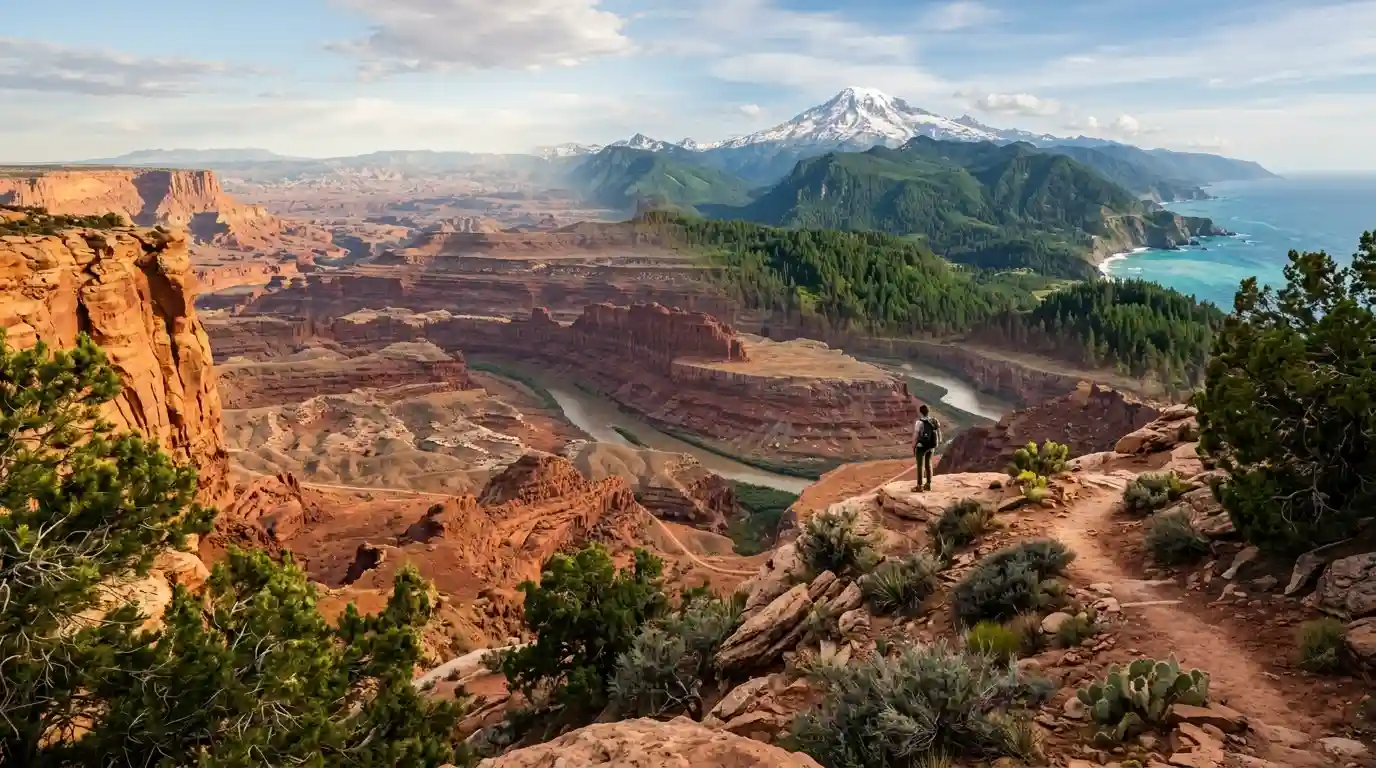
Whether you are planning a cross-country road trip, searching for an unusual weekend escape, or hoping to discover somewhere different from the typical tourist trail, these unique places to visit in the states offer inspiration for a wide range of travel styles. This guide highlights distinctive natural attractions, cultural destinations, historic sites, and scenic regions across the country, along with practical tips to help you plan your journey.
What Makes a Destination Unique?
A destination does not have to be remote or difficult to reach to feel special. Some places stand out because of their unusual geology, while others preserve distinctive architecture, local traditions, historic stories, or remarkable natural surroundings. The most rewarding destinations often combine several of these qualities.
When choosing where to travel, consider what makes an experience memorable for you. You might prefer dramatic landscapes, quiet coastal communities, unusual roadside attractions, outdoor adventures, or places with a strong sense of history. The destinations below cover a variety of interests and regions.
1. Antelope Canyon, Arizona
Antelope Canyon is famous for its flowing sandstone walls, narrow passageways, and striking patterns created by light and erosion. Located near Page in northern Arizona, this slot canyon offers a landscape that looks dramatically different from the broad desert scenery surrounding it.
The canyon’s curved rock surfaces create intricate textures, while changing sunlight can bring out warm orange, red, and golden tones. Guided visits are generally required, and access arrangements vary by canyon section and operator. Reservations are especially important during busy travel periods.
Best for: Photography, natural formations, and guided outdoor experiences.
2. White Sands National Park, New Mexico
White Sands National Park protects a vast field of bright gypsum dunes that creates an almost otherworldly landscape. Unlike ordinary quartz sand, gypsum reflects sunlight differently and gives the dunes their distinctive pale appearance.
Visitors can walk across rolling dunes, photograph the contrasting colors of the sky and sand, or enjoy a sunset when the landscape takes on softer shades. Bring water, sun protection, and footwear suited to sandy terrain. Before visiting, check current access conditions because nearby military activities can occasionally affect park entry.
Best for: Desert scenery, sunset photography, and unusual landscapes.
3. Carlsbad Caverns National Park, New Mexico
Carlsbad Caverns offers a remarkable underground environment filled with enormous chambers, stalactites, stalagmites, and other mineral formations. The cave system reveals a side of the American landscape that visitors rarely encounter on ordinary road trips.
Walking through the cavern allows you to observe how water and geological processes have shaped the underground rock over long periods. Check current tour options and accessibility information before arrival, and allow sufficient time for the descent, exploration, and return journey.
Best for: Geology, underground exploration, and educational family trips.
4. The Wave, Arizona
The Wave is a striking sandstone formation in the Coyote Buttes area near the Arizona-Utah border. Its sweeping bands of red, orange, and cream-colored rock create a naturally sculpted landscape that looks almost painted.
Access is restricted through a permit system to protect the fragile terrain. Travelers should research the current application process well in advance and prepare for a route that involves desert hiking, navigation, and exposure to changing weather. It is not an appropriate destination for an unprepared casual walk.
Best for: Experienced hikers, landscape photography, and distinctive geology.
5. Marfa, Texas
Marfa is a small West Texas community known for its contemporary art, minimalist installations, wide-open desert surroundings, and independent creative atmosphere. Its quiet streets and expansive skies create a different experience from the state’s large metropolitan areas.
Visitors can explore art spaces, appreciate distinctive architecture, and use the town as a base for discovering the surrounding desert region. The Marfa Lights viewing area is associated with reports of unexplained lights, although their cause has not been conclusively established.
For more ideas in the region, explore our guide to unique places to visit in Central Texas.
Best for: Contemporary art, desert scenery, and unusual small-town experiences.
6. Big Bend National Park, Texas
Big Bend National Park combines desert expanses, rugged mountains, river scenery, and dramatic geological formations along the Rio Grande. Its remote setting makes it particularly appealing to travelers who want to experience a quieter side of the American Southwest.
Activities include hiking, scenic driving, wildlife observation, and stargazing. Distances between facilities can be substantial, and summer heat can be intense. Carry plenty of water, plan fuel stops carefully, and check trail conditions before setting out.
Best for: Remote road trips, hiking, night skies, and desert landscapes.
7. Great Sand Dunes National Park, Colorado
Great Sand Dunes National Park features enormous dunes set against the mountainous Sangre de Cristo range. The contrast between the sandy formations and alpine peaks makes this one of the most distinctive landscapes in Colorado.
Depending on the season, visitors can hike the dunes, photograph the mountains, or enjoy seasonal water flows in the surrounding area. Sand temperatures can rise significantly in warm weather, so early mornings and evenings are often more comfortable for exploring.
If your trip includes other Colorado destinations, our guides to haunted places to visit in Colorado and the best places to visit in Colorado during winter offer additional ideas for different travel interests and seasons.
Best for: Photography, outdoor adventure, and unusual mountain scenery.
8. Garden of the Gods, Colorado
Garden of the Gods near Colorado Springs is known for its dramatic red sandstone formations, some of which rise sharply against the backdrop of Pikes Peak. The accessible trails and scenic viewpoints make the area appealing to visitors with different fitness levels.
You can enjoy short walks, longer hiking routes, photography stops, and views of the surrounding foothills. The park’s changing light gives the rock formations a different appearance throughout the day.
Best for: Scenic walks, photography, and accessible outdoor exploration.
9. Sedona, Arizona
Sedona is recognized for its red rock formations, winding canyon roads, and network of hiking trails. The landscape combines sandstone cliffs, desert vegetation, and distant mountain views, creating a memorable setting for outdoor activities.
Visitors can explore established trails, browse local art galleries, enjoy scenic drives, or join guided outdoor excursions. Spring and fall are popular seasons, although weather, trail traffic, and parking conditions vary. Start early when visiting popular trailheads.
Best for: Hiking, scenic drives, art, and desert photography.
10. Bodie, California
Bodie State Historic Park preserves the remains of a former gold-mining town in the eastern Sierra Nevada region. Its weathered buildings and abandoned streets offer a glimpse into the challenges and ambitions of a historic mining community.
Rather than a reconstructed theme park, Bodie is maintained in a state of arrested decay, allowing visitors to observe the structures as they have survived over time. The remote location and high elevation make seasonal planning important, so check road access and opening information before traveling.
Best for: History, photography, and atmospheric historic sites.
11. Mono Lake, California
Mono Lake is a saline lake in eastern California known for its unusual limestone formations called tufa towers. These structures formed through interactions between freshwater springs and the lake’s alkaline water, creating an unusual shoreline landscape.
The lake also supports important bird habitat and provides opportunities for nature observation and photography. Visitors should use designated access areas, respect protected habitats, and learn about the lake’s ecological history to better understand its significance.
Best for: Birdwatching, geology, photography, and quiet nature visits.
12. Death Valley National Park, California and Nevada
Death Valley is a land of extremes, with salt flats, colorful badlands, mountain ranges, sand dunes, and vast desert basins. Badwater Basin is notable for its exceptionally low elevation, while locations such as Zabriskie Point reveal layered formations shaped by erosion.
The park is best approached with careful planning. Extreme heat can make outdoor activity dangerous, particularly in summer. Carry adequate water, keep your vehicle prepared for remote travel, and avoid strenuous hikes during dangerous temperatures.
Travelers exploring this region can also read our guide to places to visit near Death Valley National Park.
Best for: Desert geology, scenic drives, and dramatic landscapes.
13. Crater Lake National Park, Oregon
Crater Lake occupies the caldera of an ancient volcano that collapsed after a major eruption. The lake is famous for its deep blue water, steep surrounding cliffs, and dramatic viewpoints.
Scenic overlooks provide excellent opportunities for photography, while seasonal hiking routes offer closer views of the park’s terrain. Snow can affect roads and facilities well into the year, so confirm seasonal access before planning a visit.
Best for: Mountain scenery, photography, and seasonal hiking.
14. Olympic National Park, Washington
Olympic National Park contains an extraordinary range of environments, including temperate rainforests, rugged Pacific coastline, lakes, and mountain scenery. A single trip can reveal moss-covered forests, driftwood-strewn beaches, and high-elevation landscapes.
Because the park is extensive, choose a few areas rather than assuming every major attraction can be reached in one day. Pack layers and rain protection, since coastal and forest conditions can change quickly.
Best for: Nature lovers, forest walks, coastal exploration, and wildlife viewing.
15. Apostle Islands, Wisconsin
The Apostle Islands region of Lake Superior features wooded islands, rocky shoreline, historic lighthouses, and sea caves carved into sandstone. The area’s appearance changes with the seasons, making it appealing to photographers and travelers interested in Great Lakes scenery.
Depending on conditions, visitors may explore by boat, kayak, hiking trail, or shoreline viewpoint. Lake Superior weather can change rapidly, so guided excursions and water activities should be planned around current conditions rather than assumptions about calm weather.
For more regional inspiration, see our guide to places to visit in Wisconsin during spring.
Best for: Lake scenery, boating, kayaking, and seasonal outdoor activities.
16. Mackinac Island, Michigan
Mackinac Island offers a distinctive Great Lakes experience with historic architecture, waterfront scenery, and a transportation culture centered on walking, cycling, and horse-drawn carriages. The island’s slower pace creates a contrast with destinations dominated by cars and busy highways.
Visitors can explore historic sites, cycle around the island, enjoy lake views, and sample local food. Ferry schedules and services change with the season, so check transport arrangements and accommodation availability before booking.
For more ideas across the state, explore our guide to the best places to visit in Michigan.
Best for: Historic towns, cycling, waterfront views, and relaxed getaways.
17. Assateague Island, Maryland and Virginia
Assateague Island is a barrier island known for its windswept beaches, coastal marshes, dunes, and free-roaming horses. The combination of wildlife and open shoreline gives the area a distinctive character that differs from many developed beach resorts.
Visitors can enjoy beach walks, birdwatching, camping in designated areas, and wildlife observation. The horses are wild animals and should never be approached or fed. Follow local guidance, particularly around camping, insects, tides, and changing coastal conditions.
Best for: Wildlife viewing, coastal scenery, and outdoor camping.
18. Savannah, Georgia
Savannah combines historic squares, shaded streets, distinctive architecture, and a strong cultural identity. Its walkable historic district makes it easy to explore at a relaxed pace while discovering gardens, museums, riverfront views, and historic buildings.
Spring and fall are often comfortable times to explore on foot, although local events can affect accommodation prices and crowd levels. Travelers interested in seasonal regional trips can also browse our guide to the best places to visit in Georgia in the fall.
Best for: Architecture, history, food, and leisurely city walks.
19. New Orleans, Louisiana
New Orleans is known for its distinctive music traditions, Creole and Cajun influences, historic architecture, and celebrated food culture. The French Quarter offers recognizable streetscapes, but neighborhoods throughout the city reveal different aspects of its artistic and cultural life.
Visitors can explore historic districts, listen to live music, sample regional dishes, and learn about the city’s layered history. Consider the season carefully, particularly when major festivals or periods of hot, humid weather affect travel plans.
Our guide to places to visit in New Orleans provides more ideas for building a city itinerary.
Best for: Music, culinary experiences, cultural history, and architecture.
20. Washington, D.C.
Washington, D.C., is an appealing destination for travelers interested in American history, architecture, museums, monuments, and public spaces. The National Mall connects many major landmarks, while the city’s neighborhoods provide restaurants, local markets, and cultural experiences beyond the main sightseeing corridor.
Many museum experiences and outdoor landmarks can be enjoyed without expensive admission tickets, although individual attractions may require timed entry or reservations. Walking distances can be longer than they appear on a map, so plan a manageable route and allow time for security procedures where applicable.
For a more focused itinerary, read our guide to places to visit in Washington, D.C., on Sunday.
Best for: History, museums, architecture, and educational trips.
21. Philadelphia, Pennsylvania
Philadelphia brings together important American historical sites, impressive public art, distinctive neighborhoods, and a celebrated local food scene. Visitors can explore Independence National Historical Park, discover historic streets, or spend time in museums and public markets.
The city is also a practical destination for travelers who prefer exploring on foot and using public transportation between neighborhoods. A thoughtful itinerary can combine major historic attractions with less hurried stops for local food and architecture.
For after-dark sightseeing inspiration, explore our article about places to visit in Philadelphia at night.
Best for: American history, museums, architecture, and city breaks.
22. New York City, New York
New York City is famous for its skyline, but its distinctive character also comes from neighborhood parks, historic districts, cultural institutions, waterfront promenades, and diverse communities. Each borough offers different experiences, from busy commercial streets to quieter residential areas and scenic urban parks.
Instead of trying to cover the entire city in a single visit, choose a few connected neighborhoods and allow time to explore on foot. Subway routes and walking directions can help reduce unnecessary travel time.
Plan your sightseeing with our map of places to visit in New York or discover additional ideas in our guide to awesome places to visit in New York.
Best for: Urban exploration, museums, food, entertainment, and architecture.
23. St. Augustine, Florida
St. Augustine offers a distinctive combination of historic architecture, coastal atmosphere, narrow streets, and waterfront attractions. Its long colonial history is reflected in preserved buildings, historic landmarks, and museums throughout the city.
Visitors can combine a walk through the historic district with beach time, local dining, and visits to cultural attractions. Comfortable walking shoes are useful because many central areas are best explored on foot.
For more nearby trip ideas, see our guide to places to visit near St. Augustine, Florida.
Best for: Historic sightseeing, coastal getaways, and relaxed weekend trips.
24. Orlando Beyond the Theme Parks, Florida
Orlando is widely associated with major theme parks, but the wider area also offers gardens, lakes, nature trails, local districts, and quieter attractions. Travelers who want a different experience can balance busy entertainment days with outdoor activities and independent exploration.
Look for destinations that match your interests, whether that means botanical spaces, local food, walking trails, or waterfront relaxation. Check transport arrangements before booking, because attractions across the greater Orlando area can be spread far apart.
Discover more options in our guide to places to visit in Orlando besides Disney.
Best for: Families, alternative city activities, and mixed entertainment trips.
25. Las Cruces and the Organ Mountains, New Mexico
The area around Las Cruces offers desert landscapes, striking mountain silhouettes, scenic drives, and access to outdoor recreation. The Organ Mountains are particularly recognizable for their jagged peaks rising above the surrounding desert plain.
Visitors can explore designated trails, enjoy landscape photography, and discover local history and food in the wider region. Temperatures can vary substantially between seasons, and exposed trails require appropriate water supplies and sun protection.
Use our guide to places to visit near Las Cruces, New Mexico to find more regional inspiration.
Best for: Desert hiking, scenic drives, mountain views, and regional culture.
More Unique U.S. Destinations to Explore
The destinations above are only a starting point. Travelers can discover additional experiences by choosing a region and exploring its lesser-known attractions, small towns, outdoor areas, and historic communities.
- Top places to visit in Upstate New York for lakes, mountains, and scenic communities.
- Places to visit near West Chester, Pennsylvania for regional history and nearby escapes.
- Places to visit near Providence, Rhode Island for New England scenery and cultural outings.
- Places to visit near New Brunswick, New Jersey for additional regional trip options.
- Places to visit in Nashville during the day for music, culture, and city sightseeing.
- Scenic parks, cultural sites, and trails in San Leandro, California for an East Bay outing.
- Scary places to visit in the United States for travelers drawn to eerie stories and unusual locations.
- Warm places to visit in the U.S. during winter for seasonal trip planning.
How to Plan a Trip to Unique Places in the United States
Choose a Region Rather Than Covering the Entire Country
The United States is geographically large, and travel between distant destinations can take considerable time. A practical itinerary groups nearby attractions into one trip. For example, an Arizona and New Mexico road trip can combine desert scenery, unusual geological formations, and historic towns without requiring repeated cross-country flights.
Match the Destination to the Season
Weather can significantly affect the experience. Desert destinations may be dangerous during extreme summer heat, while mountain roads and northern parks can face snow or seasonal closures. Coastal destinations can also be affected by storms, strong winds, and changing water conditions. Review local forecasts and access information shortly before departure.
Check Reservations, Permits, and Opening Conditions
Some popular natural attractions use timed-entry systems, guided tours, or limited permits. Others have seasonal facilities or restricted access. Confirm current requirements before traveling, particularly when visiting protected areas or remote destinations.
Budget for Transportation and Remote Travel
Flights, rental vehicles, fuel, parking, accommodation, and park fees can all influence the total cost. Remote areas may have limited services, so plan fuel stops, meals, and overnight stays ahead of time. A realistic schedule is usually more enjoyable than trying to fit too many destinations into a short trip.
Travel Responsibly
Protect natural and historic sites by staying on designated trails, following local regulations, respecting wildlife, and packing out waste. On public lands, follow posted guidance and leave fragile environments undisturbed. Responsible travel helps preserve these destinations for future visitors.
Frequently Asked Questions
What are the most unique places to visit in the United States?
Antelope Canyon, White Sands National Park, Carlsbad Caverns, the Wave, Big Bend National Park, Great Sand Dunes, Mono Lake, and Bodie are distinctive choices because of their unusual landscapes, geology, or history. The best destination depends on your interests, travel dates, and preferred activities.
Where can I find unusual places for a U.S. road trip?
The Southwest is particularly suitable for road trips featuring unusual rock formations, desert scenery, historic mining towns, and expansive national parks. Other options include the Pacific Northwest, the Great Lakes region, and historic communities along the East Coast. Choose a manageable route based on driving distances and seasonal conditions.
What are some unique places to visit in the United States with family?
Family-friendly options can include Great Sand Dunes National Park, Garden of the Gods, Crater Lake viewpoints, Mackinac Island, Savannah, and Washington, D.C. Check trail difficulty, accessibility, weather, and age-appropriate activities before selecting a destination.
Which U.S. destinations are best for photography?
Antelope Canyon, White Sands, the Wave, Mono Lake, Death Valley, Great Sand Dunes, and Olympic National Park offer varied photographic subjects. Light, weather, seasonal access, and permit requirements can affect the experience, so research conditions before setting out.
When is the best time to visit unusual places in the United States?
Spring and fall often offer comfortable conditions in many regions, but there is no single best season for the entire country. Summer can work well for some northern and mountain destinations, while winter may suit warmer southern areas. Check the climate and access conditions of each specific destination.
How can I discover lesser-known destinations in the states?
Explore regional travel guides, state parks, historic districts, small towns, scenic byways, and areas near well-known attractions. Planning around a specific interest—such as geology, architecture, wildlife, or local culture—can help you find places that feel more personal than a standard sightseeing itinerary.
Final Thoughts
The most memorable U.S. trips often come from discovering places that offer something unexpected. A dramatic desert canyon, an underground cave, a preserved mining town, a quiet island, or a historic city can provide a different perspective on the country’s landscapes and cultural heritage.
Use this list of unique places to visit in the states as a starting point, then build an itinerary around your available time, interests, budget, and preferred season. With thoughtful planning and respect for local environments, you can turn a simple getaway or road trip into a rewarding exploration of the United States.