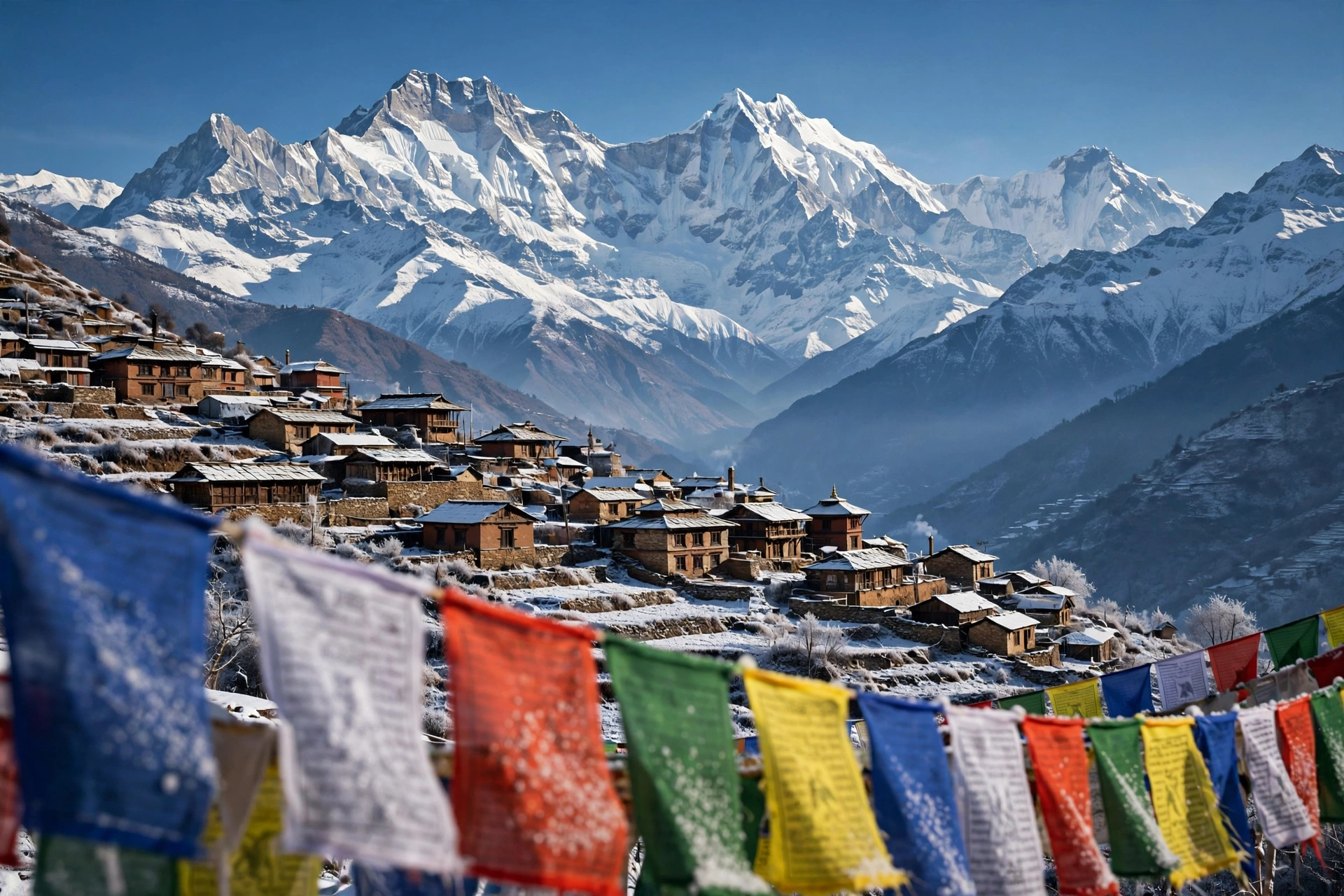
Winter transforms Nepal into a spectacular destination of clear mountain views, peaceful trails, historic cities, and scenic valleys. From snow-covered Himalayan landscapes to mild-weather cultural cities, the best places to visit in Nepal in winter offer something for every type of traveler.
December through February is generally considered Nepal’s winter season. Higher elevations can be very cold and snowy, while lower-elevation destinations often remain comfortable by day — making winter ideal for mountain scenery, cultural experiences, wildlife, and quieter sightseeing without peak-season crowds.
Why Visit Nepal in Winter?
Winter has several distinct advantages. Mountain visibility is often excellent on clear days, especially around Himalayan viewpoints, and popular tourist areas feel calmer than during the busiest trekking months.
It is also a good season to explore Nepal’s cities and cultural landmarks at a relaxed pace. Travelers interested in photography, heritage sites, food, and nature can build an itinerary around lower-altitude locations, adding selected mountain areas when conditions allow.
Top Winter Destinations in Nepal
1. Kathmandu
Kathmandu is one of the best places to begin a winter trip. The capital combines ancient temples, historic neighborhoods, colorful markets, museums, and distinctive Newari architecture — all enjoyable in winter’s relatively dry conditions without summer’s monsoon.
Kathmandu also works well as a base for exploring nearby destinations in the Kathmandu Valley, including ancient durbar squares, hillside viewpoints, and traditional Newari towns.
2. Pokhara
Pokhara sits beside Phewa Lake with impressive views toward the Annapurna range on clear days — and winter is prime time for those views without committing to a long high-altitude trek. Lakeside walks, boating, viewpoints, caves, waterfalls, and nearby villages all work beautifully as a comfortable base.
Sunrise and sunset over the surrounding mountains can be especially memorable in clear winter weather, making Pokhara one of the country’s strongest destinations for landscape photography.
3. Nagarkot
This popular hill station near Kathmandu is known for panoramic Himalayan views, and winter’s clear mornings can deliver spectacular visibility. Stay overnight in a hillside hotel, wake before sunrise, and watch colors change over the Himalayan skyline.
Nagarkot suits travelers wanting a short escape from Kathmandu without heading deep into the mountains.
4. Chitwan
For Nepal beyond mountains, Chitwan offers Chitwan National Park, wildlife experiences, forests, rivers, and the Terai landscape. Winter’s cooler temperatures make outdoor activities more comfortable than in hotter months.
Visitors can enjoy wildlife-focused experiences, nature walks, village excursions, and cultural activities — a completely different ecological world from the Himalayas.
5. Bandipur
Bandipur is a charming hilltop settlement known for traditional architecture, mountain views, and a peaceful atmosphere. Winter suits exploring on foot: the elevated location gives scenic views while the compact historic center combines sightseeing with relaxed walks and local dining.
It is an excellent quieter alternative to Nepal’s more heavily visited destinations.
6. Lumbini
Lumbini — traditionally recognized as the birthplace of Gautama Buddha — draws visitors interested in Buddhist heritage, architecture, history, and peaceful surroundings. Winter’s manageable temperatures make exploring its monasteries, gardens, temples, and historical sites comfortable.
It is an ideal addition for travelers wanting cultural and spiritual depth alongside natural attractions.
7. Dhulikhel
Another excellent hill destination close to Kathmandu, Dhulikhel offers mountain views, peaceful surroundings, traditional settlements, and hiking. Clear winter mornings can reveal impressive Himalayan panoramas, and it works well for a night or two away from the capital.
8–10. Everest, Annapurna & Poon Hill
For experienced trekkers, the Everest and Annapurna regions can be unforgettable in winter — snow-covered peaks, crisp air, and clear skies. But freezing temperatures, snow, short daylight, and difficult trails demand proper equipment, careful planning, and realistic expectations.
Poon Hill offers a more accessible taste: one of Nepal’s most popular trekking viewpoints, rewarding winter trekkers with outstanding Annapurna and Dhaulagiri views at sunrise. For mountain scenery in a different range, our Hunza Valley guide covers Pakistan’s spectacular Karakoram landscapes.
11–12. Muktinath & Ilam
Muktinath in the Mustang region blends pilgrimage significance with dramatic high-altitude scenery — though winter access can be affected by snow, so plan carefully. Ilam, in eastern Nepal, offers tea gardens, green hills, and peaceful landscapes for travelers seeking nature and relaxation over intensive trekking.
13–15. Janakpur, Rara Lake & Khaptad
Janakpur brings cultural depth with the impressive Janaki Mandir and rich religious heritage. Rara Lake rewards adventurous travelers with an exceptionally peaceful Himalayan landscape — though winter cold and snow make access challenging. Khaptad National Park offers remote forests and grasslands for those who prefer quiet, off-the-beaten-path exploration.
Nepal for Different Types of Travelers
First-Time Visitors
Kathmandu and Pokhara are the easiest starting points, combining culture, scenery, restaurants, accommodation, and access to surrounding attractions.
Mountain Views
Nagarkot, Dhulikhel, Pokhara, Poon Hill, and selected Everest and Annapurna areas suit travelers focused on Himalayan scenery. Winter mountain travel elsewhere in Asia is covered in our Korea winter guide.
Wildlife
Chitwan is the top pick for wildlife and nature experiences — a striking contrast to the high mountains.
Culture and Heritage
Kathmandu and Lumbini are excellent starting points, with Janakpur adding another cultural perspective. Heritage travelers may also enjoy our Saudi Arabia heritage guide.
Peace and Relaxation
Bandipur, Ilam, and Dhulikhel suit travelers who prefer quieter surroundings and slower-paced sightseeing.
What Is the Weather Like in Nepal in Winter?
Winter weather varies dramatically by altitude. Lower-elevation destinations can have relatively mild daytime temperatures, while Himalayan areas become extremely cold. Kathmandu and Pokhara can be comfortable for daytime sightseeing on sunny days, though mornings and evenings feel cold.
Snow is possible at high altitude, and winter weather can affect trekking routes, mountain roads, and transportation. Always check current local conditions before traveling to remote or high-elevation areas. For more winter-destination planning, see our winter in Europe guide, Korea winter guide, Maharashtra winter guide, Switzerland winter guide, Queensland winter guide, and Ontario winter guide.
What to Pack for Nepal in Winter
Pack according to altitude: a city-based trip needs far less equipment than a high-altitude trek.
- Warm layers for mornings and evenings
- A good insulated jacket for colder destinations
- Comfortable walking shoes
- Warm socks and thermal layers for mountain travel
- Gloves and a warm hat for high elevations
- Sun protection, including sunglasses and sunscreen
- A reusable water bottle
- Basic personal medications and travel essentials
- Weather-appropriate trekking equipment for high-altitude routes
Tips for Visiting Nepal in Winter
- Choose destinations by altitude: lower areas are generally easier for casual winter travel.
- Check weather conditions: mountain conditions can change quickly.
- Layer clothing: temperatures vary considerably between day and night.
- Allow extra travel time: winter can affect roads and mountain transportation.
- Prepare for cold mornings: sunrise viewpoints are particularly chilly.
- Book suitable accommodation: heating and insulation matter in colder areas.
- Respect altitude: do not underestimate cold and high elevation effects.
- Keep your itinerary flexible: remote destinations may be affected by seasonal conditions.
Final Thoughts
The best places to visit in Nepal in winter range from historic cities and peaceful hill towns to dramatic Himalayan landscapes and remote natural areas. Kathmandu and Pokhara are ideal starting points; Nagarkot and Dhulikhel offer accessible mountain views; Chitwan adds wildlife; Lumbini and Janakpur bring cultural depth.
With appropriate clothing, realistic expectations, and a flexible itinerary, winter reveals a beautiful, peaceful side of Nepal — whether your priority is photography, culture, wildlife, relaxation, or trekking.