Sushi in Nashville? Skeptics raise an eyebrow, but locals know the truth: the best sushi in Nashville rivals what you will find in many coastal cities. Thanks to overnight fish shipments, skilled itamae who trained in Japan and top American sushi cities, and a dining public with increasingly sophisticated tastes, Music City’s sushi scene has matured into something genuinely impressive.
From serene omakase counters where the chef decides your meal to lively neighborhood spots rolling creative maki, Nashville offers a full spectrum of Japanese dining. This guide will help you navigate it all, from what to order to what to expect to pay.
Why the Best Sushi in Nashville Surprises Everyone
Great sushi far from the ocean depends on logistics, and Nashville has solved them. Premium fish now arrives daily via overnight air freight from Tokyo’s Toyosu Market and domestic sources, meaning the tuna, salmon, and yellowtail on your plate can be every bit as fresh as what is served in New York’s sushi temples or Los Angeles sushi bars. The city’s top sushi chefs inspect every delivery with exacting standards, and anything less than pristine never makes it to the counter.
Talent followed the fish. Nashville has attracted sushi chefs trained in Japan, New York, Los Angeles, and other sushi capitals, drawn by lower costs and a welcoming food community. These chefs brought rigorous technique: proper rice seasoning and temperature, precise knife work, and respect for the traditional progression of a meal. Their presence raised the bar for everyone.
Demand completed the picture. As Nashville’s dining scene exploded, locals developed adventurous palates and a willingness to pay for quality. Omakase counters that would have seemed unthinkable a decade ago now book out days in advance. The best sushi in Nashville thrives because the city finally has the audience it deserves.
Styles of Sushi Dining in Nashville
Understanding the formats helps you choose the right experience for the occasion.
Omakase Counters
Omakase, meaning “I leave it up to you,” is sushi at its most refined. You sit at a small counter while the chef serves a progression of nigiri and small dishes, typically 12 to 20 courses, each timed and seasoned to perfection. Nashville’s best omakase experiences rival those described in guides to the best sushi omakase in the USA, with chefs explaining each fish’s origin and ideal preparation. Expect to pay 100 to 200 dollars per person, and book well ahead.
Traditional Sushi Bars
Classic sushi bars offer à la carte nigiri, sashimi, and maki in a relaxed setting. This is the most versatile format: order exactly what you crave, from buttery toro to humble tamago. The best traditional bars in Nashville maintain serious fish programs while keeping the atmosphere approachable. Sit at the bar if you can; watching the chef work and asking for recommendations elevates the meal enormously.
Creative Rolls and Neighborhood Spots
American-style maki rolls with creative fillings, sauces, and presentations remain hugely popular, and Nashville does them well. Expect rolls featuring tempura shrimp, spicy tuna, mango, and eel sauce alongside more inventive local creations. These spots are perfect for groups, dates, and sushi newcomers. Prices are moderate, portions are generous, and the vibe is fun rather than formal.
Japanese Restaurants Beyond Sushi
Many of Nashville’s best Japanese restaurants serve excellent cooked dishes alongside their sushi: miso black cod, hamachi kama, wagyu tataki, and pristine tempura. Do not overlook these; a great Japanese kitchen’s hot dishes can be as memorable as its raw fish. Exploring the full menu gives you a deeper appreciation of the cuisine.
What to Order: A Nashville Sushi Primer
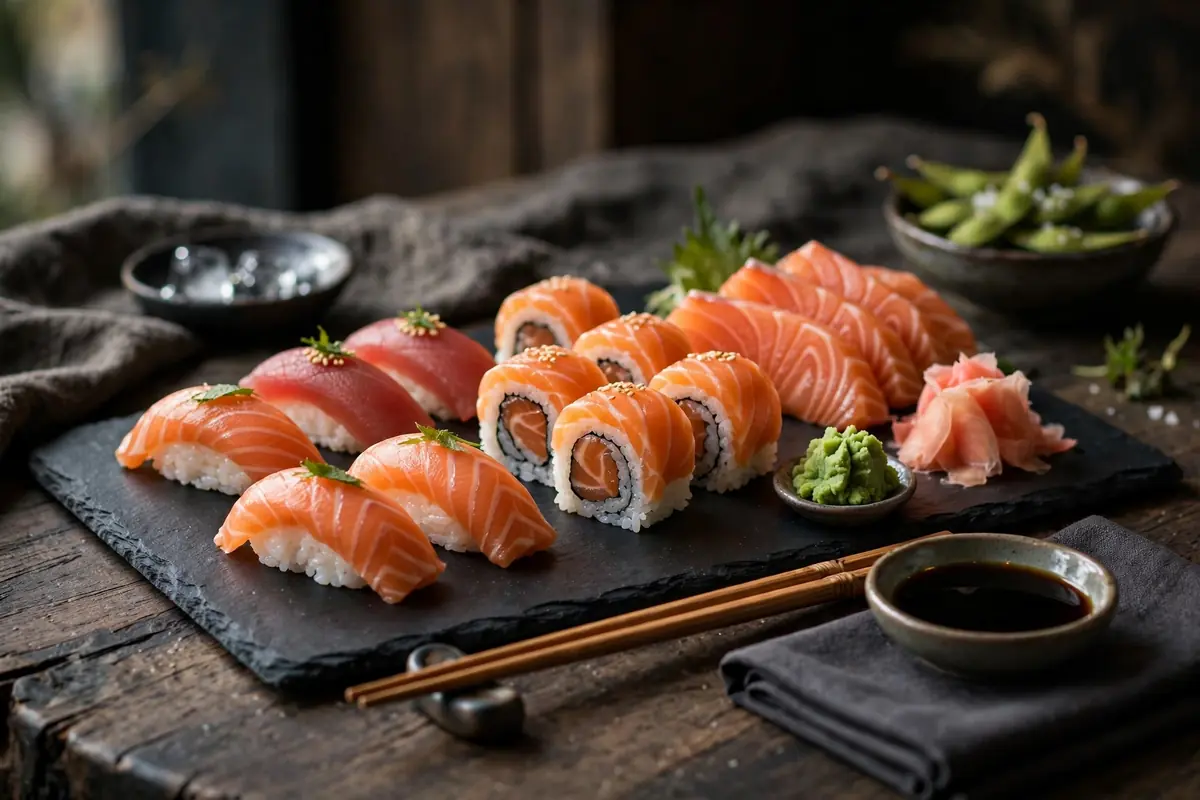
If you are new to serious sushi, start with the classics and work outward. Salmon and tuna nigiri are the benchmarks: the fish should taste clean and sweet, the rice warm and seasoned, the whole bite harmonious. Yellowtail with jalapeño, albacore with crispy onion, and sweet shrimp are excellent next steps that show off the kitchen’s range.
Adventurous eaters should try uni (sea urchin), ikura (salmon roe), and whatever the chef recommends as the day’s special. Nashville’s top counters regularly feature seasonal Japanese imports like kinmedai (golden eye snapper) and nodoguro (blackthroat seaperch) that you will not find at ordinary sushi spots. Trust the chef; that is the entire philosophy of omakase.
For rolls, balance is everything. A great specialty roll combines textures and flavors without burying the fish under heavy sauces. Ask which rolls the kitchen is known for rather than ordering the longest-named extravaganza on the menu. And do not forget the non-sushi items: edamame, miso soup, and seaweed salad are simple pleasures done right at good restaurants.
How to Judge Sushi Quality
The rice tells you everything. Proper sushi rice is served at body temperature, seasoned with a delicate balance of vinegar, sugar, and salt, and formed loosely enough to fall apart gently in your mouth. If the rice is cold, mushy, or packed tight, the kitchen is cutting corners. Great rice is the foundation of the best sushi in Nashville and everywhere else.
The fish should smell like the ocean, not like fish. Fresh fish has a clean, sweet aroma and vibrant color. The cuts should be precise and generous. Wasabi should be fresh and pungent rather than harsh; some top counters even grate fresh wasabi root tableside.
Finally, watch the details. Clean counters, sharp knives, chefs who handle fish minimally and serve each piece promptly: these are the marks of a kitchen that respects its craft. A great sushi bar feels calm and focused even when busy, because the team has its rhythm down.
What Sushi Costs in Nashville
Nashville offers sushi at every price point. Neighborhood spots serve satisfying maki rolls for 8 to 14 dollars and nigiri at 3 to 6 dollars per piece, making a filling dinner for two achievable at 50 to 70 dollars. Lunch specials with bento boxes and roll combos often land under 20 dollars per person, excellent value by national standards.
Mid-range sushi bars charge 80 to 120 dollars for two people eating well à la carte. Omakase is the splurge: 100 to 200 dollars per person before drinks, comparable to San Diego’s premium sushi counters and other top American sushi cities. Given the quality of fish and technique, Nashville’s omakase prices are fair.
Happy hours are your friend. Many sushi bars offer discounted rolls, half-price appetizers, and drink specials on weekday afternoons. It is the smartest way to sample widely without the full dinner investment.
Sushi Etiquette Tips for Beginners
Eat nigiri with your fingers if you like; it is traditional and perfectly acceptable. A light touch of soy sauce on the fish side, not the rice side, prevents the rice from falling apart and overseasoning. Ginger is a palate cleanser between pieces, not a topping. And while mixing wasabi into soy sauce is common in America, true aficionados place wasabi directly on the fish or trust the chef’s seasoning.
At an omakase counter, eat each piece promptly when served; timing is part of the chef’s art. It is fine to ask questions about the fish, and expressing appreciation is always welcome. Avoid strong perfumes or colognes, which interfere with everyone’s enjoyment of delicate flavors.
Most importantly, relax. Nashville’s sushi culture is welcoming rather than intimidating. The chefs want you to enjoy yourself, and the city’s Southern hospitality extends to its sushi counters. Curiosity is always rewarded, so ask, taste, and explore.
Sake, Beer, and Wine: Pairing Drinks with Sushi
The right drink elevates sushi enormously. Sake is the classic pairing, and Nashville’s better sushi bars pour excellent options. Junmai and ginjo styles, served chilled, complement delicate fish without overwhelming it. Ask the staff for a recommendation; a good pairing suggestion is a sign of a serious beverage program. Dry sake cuts through richer fish like toro, while fruitier styles suit lighter white fish.
Japanese beer is the casual alternative that never fails. Crisp lagers cleanse the palate between pieces and pair happily with everything from maki rolls to tempura. Many Nashville sushi spots also pour local craft beer, and a clean pilsner or blonde ale works nearly as well as the Japanese classics.
Wine lovers need not abstain. High-acid whites like muscadet, chablis, and dry riesling pair beautifully with sushi, their brightness echoing the vinegar in the rice. Some adventurous diners even enjoy champagne with omakase; the bubbles and acidity are surprisingly harmonious with raw fish. Whatever you choose, keep it light and crisp so the fish remains the star.
Keep Exploring Nashville’s Food Scene
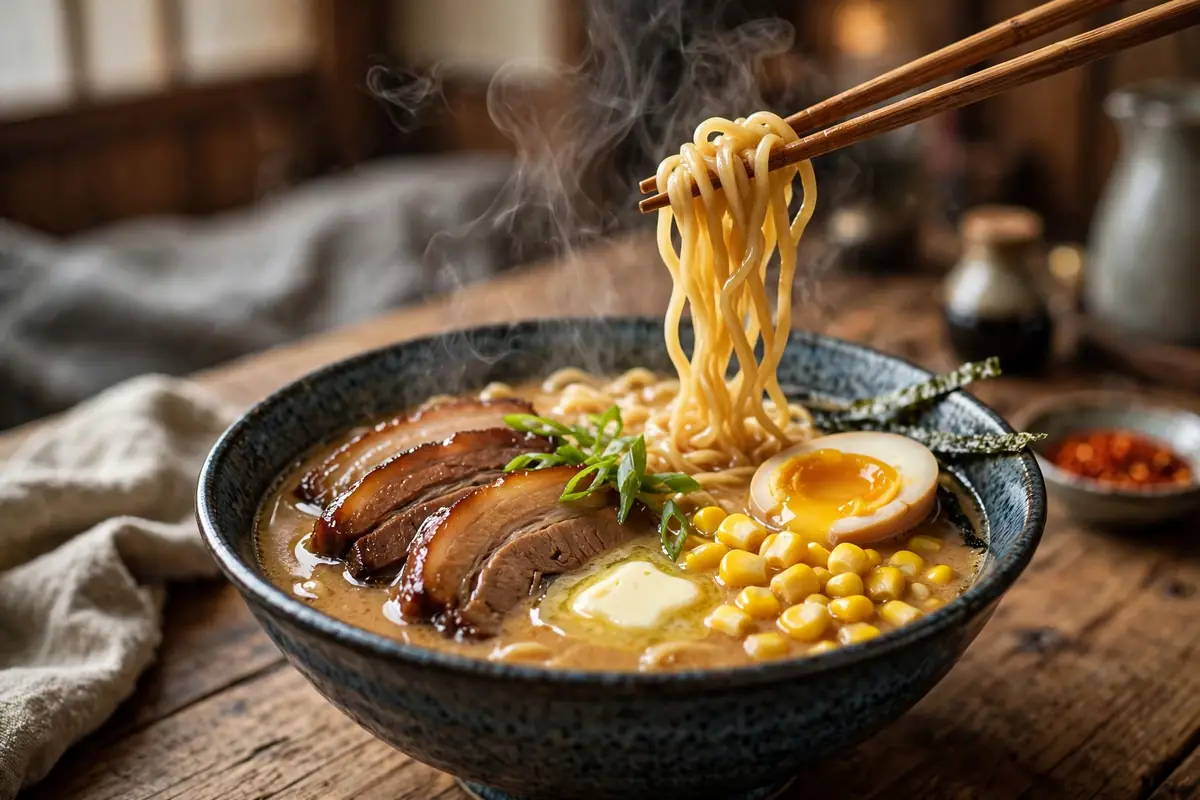
Sushi lovers in Nashville have plenty of delicious directions to explore next. The city’s ramen shops offer a different expression of Japanese craft; the guide to Nashville’s ramen scene covers 18-hour tonkotsu, delicate shoyu, and the rainy-day ritual of the perfect bowl.
For more raw-fish pleasures, Nashville’s seafood restaurants serve excellent crudo, ceviche, and oyster programs. The overview of Nashville’s seafood restaurants maps where to find Gulf shrimp, fresh oysters, and the shrimp and grits that define Southern seafood.
Curious how Nashville compares on the national stage? The ranking of the best sushi omakase in the USA puts the city’s top counters in context, while the guide to San Diego’s premium sushi counters shows what Pacific bluefin and Baja influences bring to the omakase experience.
Round out your Japanese food education with a proper drink pairing session. The city’s cocktail and sake programs, covered alongside the best late-night food in the USA, make after-dinner exploring as rewarding as the meal itself. And for daytime fuel between sushi adventures, the best coffee shops in the USA includes Nashville cafés worth your morning.
FAQs About the Best Sushi in Nashville
Is the fish really fresh in landlocked Nashville? Yes. Top restaurants receive overnight shipments from top global markets, and their standards are ruthless. The supply chain that serves San Francisco’s sushi scene serves Nashville too; geography is no longer the barrier it once was.
Do I need a reservation for omakase? Almost certainly. Nashville’s best omakase counters have limited seats and strong demand, so book days or even weeks ahead, especially for weekend evenings. Traditional sushi bars are more flexible, though reservations are still wise on weekends.
What is the best sushi for beginners? Start with cooked and familiar options: California rolls, tempura shrimp rolls, salmon nigiri, and tuna rolls. As your confidence grows, try yellowtail, albacore, and chef’s specials. A good sushi bar will guide you if you mention you are exploring.
How does Nashville sushi compare to coastal cities? The top tier competes nationally; the difference is depth rather than peak quality. Coastal cities have more great options, but Nashville’s best counters stand proudly alongside them. For most diners, the best sushi in Nashville exceeds expectations by a wide margin.
The best sushi in Nashville is one of the city’s happiest surprises: world-class fish, skilled chefs, and genuine hospitality hundreds of miles from the sea. Whether you are settling in for a meticulous omakase progression or sharing creative rolls with friends, you are participating in one of Music City’s most impressive culinary success stories. Trust the rice, trust the chef, and enjoy every bite.