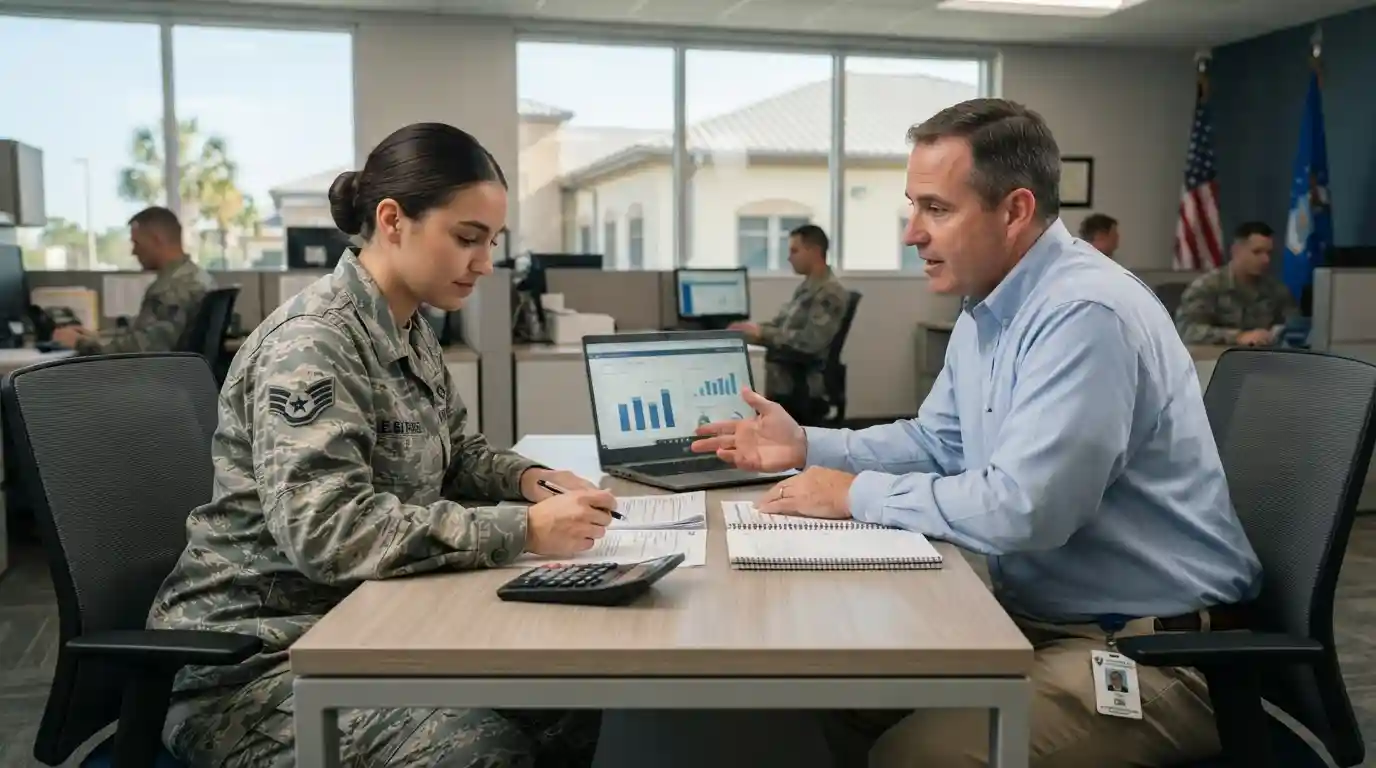
Whether you are newly assigned to Eglin, dealing with a pay discrepancy, preparing a travel claim, reviewing allowances, or simply trying to improve your financial readiness, knowing what the finance office handles can save time and prevent unnecessary confusion.
This guide explains the major areas of support associated with the Eglin AFB Finance Office, how military personnel can prepare for finance-related appointments, and what to keep in mind when managing military pay and benefits.
What Does the Eglin AFB Finance Office Do?
The Eglin AFB Finance Office supports military personnel with financial matters connected to military service. Its responsibilities can include military pay questions, travel-related claims, allowances, entitlements, and other issues that affect a service member’s financial situation.
For someone arriving at a new duty station, the finance office can be especially important because changes in assignment, housing arrangements, dependency information, travel status, or other circumstances can affect financial records.
The most useful approach is to treat the finance office as a place for resolving specific military financial matters rather than waiting until a small discrepancy becomes a larger problem.
Military Pay Support at Eglin AFB
Military pay can involve more than a basic monthly salary. A service member’s total compensation may include allowances, special pays, deductions, and other adjustments based on individual circumstances.
If your payment appears different from what you expected, start by reviewing your Leave and Earnings Statement and identifying exactly what changed. This makes it easier to explain the issue when requesting assistance.
Common Pay Issues
- Unexpected changes in monthly pay
- Questions about deductions
- Missing or delayed payments
- Questions about allowances
- Changes following a permanent change of station
- Dependency-related financial changes
- Questions about special or incentive pay
Keeping copies of important orders and financial documents can make the process considerably easier when a pay issue needs to be reviewed.
Understanding Military Allowances
Allowances are an important part of military compensation, and eligibility can depend on factors such as location, rank, dependency status, and assignment circumstances.
Housing-related allowances are particularly important for personnel who live off base. Rather than assuming that an allowance will automatically remain unchanged, service members should review their financial records whenever their personal or duty circumstances change.
For broader financial planning, understanding the difference between salary, allowances, reimbursements, and other forms of military compensation can help create a more realistic household budget.
Travel Pay and Reimbursement
Military assignments frequently involve official travel. Permanent changes of station, temporary duty assignments, training, and other authorized travel can create expenses that require proper documentation and reimbursement processing.
Travel claims may involve transportation, lodging, meals, mileage, and other authorized expenses. Because requirements can vary according to the type of travel, personnel should carefully review their orders and retain receipts and supporting documentation when required.
If you are preparing for a move, it can also be useful to review broader financial considerations surrounding transportation and household expenses. Understanding vehicle financing and transportation costs can be particularly helpful when a new duty station changes your commuting needs.
Finance Support During PCS Moves
A permanent change of station can create a long list of financial responsibilities. Moving expenses, temporary lodging, transportation, housing, and changes in allowances can all affect a service member’s budget.
Before a PCS, organize your orders and financial documentation in one place. Review your expected expenses and keep track of payments or reimbursements as they are processed.
Personnel who are moving into a new home may also benefit from understanding related household costs. Articles covering home financing and household expenses can provide additional context when planning a post-move budget.
Financial Readiness for Eglin AFB Personnel
Financial readiness is not limited to correcting a pay problem. It also involves creating a system that allows you to manage income, expenses, savings, debt, and unexpected costs.
A practical financial readiness plan can include:
- Checking your pay statement regularly
- Maintaining an emergency fund
- Tracking recurring expenses
- Reviewing debt and interest costs
- Planning for major moves
- Reviewing insurance coverage
- Saving consistently for future goals
- Keeping important financial documents organized
Service members who are dealing with multiple financial obligations should also understand the difference between short-term borrowing and long-term financial planning. Resources discussing financing options and repayment considerations can help illustrate why the cost of borrowing matters when evaluating financial commitments.
Debt Management and Responsible Borrowing
Debt can become especially challenging when combined with relocation costs, unexpected expenses, or changes in household income. Before accepting a loan, consider the total repayment amount rather than looking only at the monthly payment.
Interest rates, fees, repayment periods, and penalties can significantly change the actual cost of borrowing.
Personnel researching broader financial topics may also find it useful to compare different approaches to financial planning and financial trends before making major decisions.
The goal should not simply be to obtain financing. The better objective is to make sure any financial commitment fits comfortably within your overall budget.
Insurance and Financial Protection
Insurance is another important part of financial readiness. Military personnel may have different insurance needs depending on their vehicles, housing arrangements, dependents, travel, and personal circumstances.
Understanding how insurance premiums, deductibles, coverage limits, and exclusions affect your budget can help prevent an unexpected expense from becoming a major financial setback.
For additional context, you can explore information about insurance coverage and financial protection as part of a broader household planning strategy.
Business owners and personnel with additional financial responsibilities may also encounter specialized insurance products. For example, excess insurance and business protection can become relevant when financial exposure extends beyond ordinary household expenses.
Questions to Ask the Finance Office
When contacting a finance office, having specific questions prepared can make the conversation more productive. Instead of simply saying that your pay looks wrong, identify the exact payment, allowance, deduction, or transaction that concerns you.
Useful questions may include:
- Why did my pay change this month?
- Is a particular allowance reflected correctly?
- What documentation is needed for my travel claim?
- Has my recent transaction or adjustment been processed?
- Is additional documentation required?
- What should I do if an expected payment is missing?
- Who should I contact if the issue involves another personnel office?
Writing down the answers and keeping copies of submitted documents can help you track the issue until it is resolved.
Documents to Keep Ready
Preparation can make a finance appointment much more efficient. Depending on the issue, you may need documents connected to your military status, assignment, travel, housing, or previous transactions.
Consider keeping the following information organized:
- Recent Leave and Earnings Statements
- Permanent change of station orders
- Temporary duty documentation
- Travel receipts and supporting records
- Relevant correspondence
- Dependency documentation when applicable
- Previous finance-related paperwork
Good recordkeeping is useful beyond military finance. It can also make other financial matters easier to manage, including insurance-related account and policy questions.
Using Financial Resources During Military Life
Military personnel often have to make financial decisions while moving between duty stations, managing family expenses, and adjusting to new responsibilities. A structured approach can reduce financial stress.
Start with your predictable monthly income and essential expenses. Then identify variable costs such as travel, vehicle maintenance, entertainment, and unexpected household expenses.
When considering major purchases, avoid basing the decision solely on whether a payment appears affordable today. Think about the total cost over the entire repayment period.
This principle applies to everything from vehicles to household purchases and other financed expenses. Broader resources about financial products and market developments can also help readers understand why terms and conditions deserve careful attention.
Planning for Major Purchases
Major purchases can have a significant impact on a military household’s budget. A vehicle, home-related expense, or other large purchase may seem manageable when viewed through a monthly payment, but the long-term cost can be much higher.
Before committing to financing, compare the interest rate, fees, down payment, repayment period, and total amount paid over time.
If your purchase is connected to a business or side activity, financial planning becomes even more important. Information about financing household improvements and equipment financing illustrates how different financing arrangements can affect long-term cash flow.
Financial Planning After Moving to Eglin AFB
Arriving at a new installation can change your monthly expenses. Housing, transportation, utilities, childcare, groceries, and commuting costs may all differ from your previous duty station.
Give yourself time to understand your new spending pattern before making major financial commitments. Tracking expenses for the first few months can reveal which costs have increased and which have decreased.
If you are also evaluating housing or property-related decisions, reviewing real estate considerations and property costs can provide useful general financial context, even though local conditions vary considerably.
Why Regular Pay Reviews Matter
Checking your financial records regularly is much easier than trying to reconstruct months of transactions after discovering a problem.
A simple monthly review can include checking your pay statement, confirming expected allowances, reviewing deductions, and comparing your actual income against your household budget.
Early identification of an unexpected change gives you a better opportunity to ask questions and provide supporting documentation while the relevant information is still easy to locate.
Protecting Your Overall Financial Position
A strong financial position is built from several connected decisions rather than one action. Military pay is only one part of the equation. Spending habits, debt, savings, insurance, housing, transportation, and long-term planning all contribute to financial stability.
For readers interested in the broader relationship between financial services and technology, digital payments and financial technology provide another example of how financial management continues to evolve.
Likewise, understanding the basics of secure financial transactions can be useful when evaluating unfamiliar digital financial services, although military pay matters should always be handled through the appropriate official channels.
Other Financial Topics Worth Understanding
Military personnel may encounter many different financial decisions during their careers. Some relate directly to military compensation, while others involve personal financial management outside the installation.
For example, those comparing borrowing options may want to understand how financing works in different circumstances. Readers can also explore broader topics such as auto financing with credit challenges before making a vehicle purchase.
People managing businesses or side ventures may have different requirements and financial risks. In those situations, learning about military-related financial environments and financial planning can provide useful background.
Tips for a Smoother Finance Office Experience
You can make most finance-related interactions easier by arriving prepared and keeping your questions focused.
- Review your records first: Identify the exact issue before contacting the office.
- Bring supporting documentation: Orders, statements, receipts, and correspondence can help establish the facts.
- Write down important information: Keep notes about what was submitted and what follow-up is required.
- Follow up when necessary: If additional action is requested, complete it promptly.
- Keep financial records organized: Store copies of important documents where they can be accessed easily.
If your broader financial situation includes insurance, you may also want to review topics such as insurance protection and financial planning as part of your household risk-management strategy.
Frequently Asked Questions About the Eglin AFB Finance Office
What can the Eglin AFB Finance Office help with?
The finance office can assist with military pay questions, travel-related financial matters, allowances, entitlements, and other installation-related finance concerns. The appropriate process depends on the specific issue.
Should I check my pay statement before contacting finance?
Yes. Reviewing your Leave and Earnings Statement first can help you identify exactly what changed and make it easier to explain the problem.
Can the finance office help with travel claims?
Travel-related financial matters are an important part of military finance support. Keep your orders and required supporting documentation available when dealing with a travel claim.
What should I bring to a finance appointment?
Bring relevant financial records, orders, statements, receipts, and correspondence connected to your issue. The exact documentation required depends on the type of request.
Why should military personnel review their finances regularly?
Regular reviews can help identify unexpected changes in pay, deductions, allowances, or expenses before they become larger financial problems.
Final Thoughts
The Eglin AFB Finance Office can be an important resource for service members who need assistance with military pay, travel-related financial matters, allowances, and other financial questions connected to their service.
The best way to use that support is to stay organized, review your financial records regularly, keep important documentation available, and address discrepancies as soon as they appear.
At the same time, maintaining financial readiness requires more than resolving individual pay issues. Building a realistic budget, managing debt responsibly, protecting against financial risks, and planning for major expenses can help create greater stability throughout a military career.