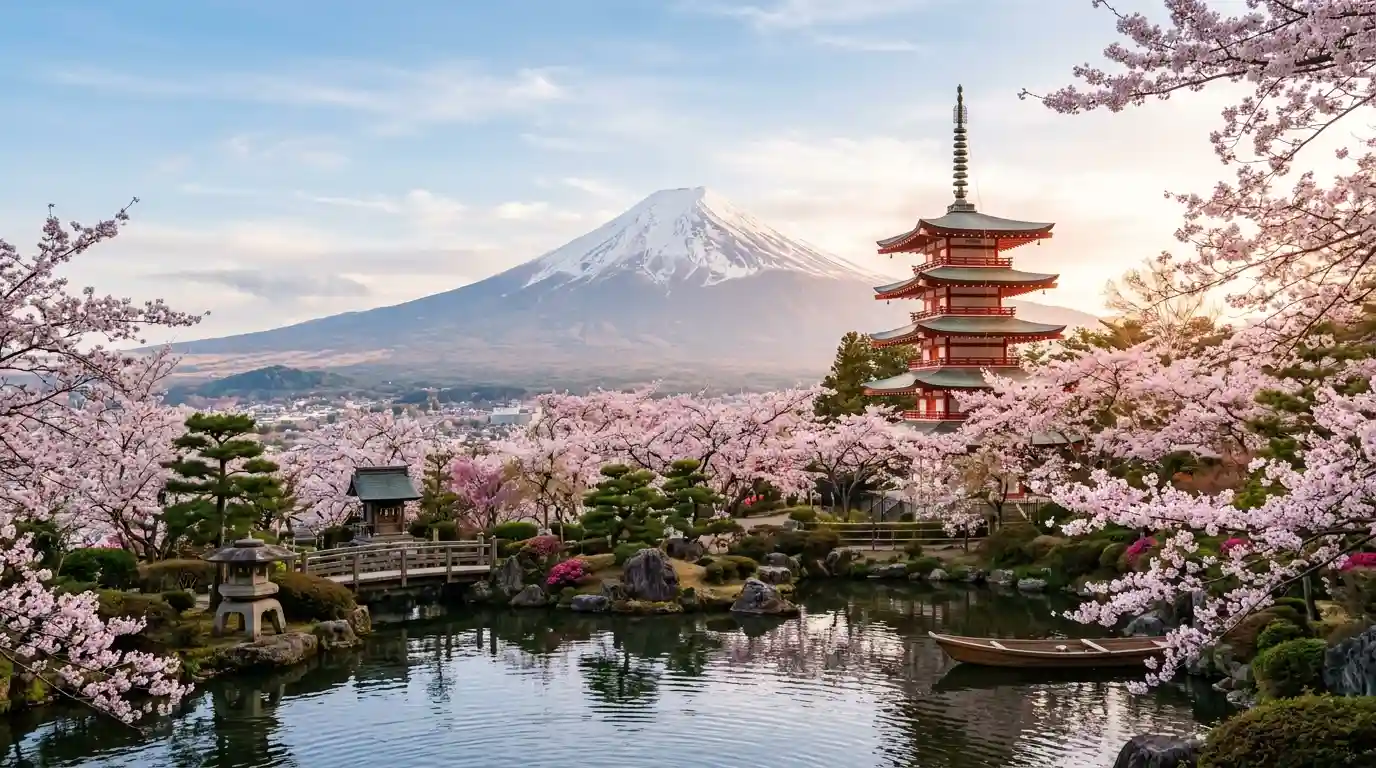
Japan is a remarkable destination for travelers who want to experience ancient temples, historic castles, traditional villages, peaceful gardens, dramatic mountain scenery, and vibrant modern cities. From Kyoto’s centuries-old shrines to Mount Fuji’s iconic silhouette, the country offers an extraordinary combination of history, culture, and natural beauty.
This guide explores 15 memorable places to visit in Japan, explains what makes each destination special, and offers practical tips for organizing a trip around historical attractions, cultural experiences, and beautiful landscapes.
1. Kyoto: Japan’s Historic Cultural Capital
Kyoto is one of the best destinations for travelers interested in traditional Japanese culture. As Japan’s imperial capital for more than a thousand years, it preserves historic temples, Shinto shrines, landscaped gardens, wooden townhouses, and traditional arts.
Visit Kinkaku-ji, also known as the Golden Pavilion, to admire its gold-covered upper floors reflected in a surrounding pond. Fushimi Inari Taisha is famous for its winding paths lined with thousands of red torii gates. Kiyomizu-dera offers historic architecture and elevated views across the city, while the Arashiyama district attracts visitors with its bamboo grove and riverside scenery.
For a deeper cultural experience, explore Gion’s historic streets, browse traditional craft shops, or participate in a Japanese tea ceremony. Kyoto is especially appealing in spring, when cherry blossoms appear, and autumn, when maple leaves bring warm colors to temple gardens.
Best for: Historic temples, traditional architecture, Japanese arts, gardens, and seasonal scenery.
2. Tokyo: Traditional Heritage Meets Modern Japan
Tokyo combines contemporary city life with historic neighborhoods, religious landmarks, gardens, museums, and distinctive cultural experiences. It is an excellent starting point for travelers who want to see how Japan’s traditions coexist with its modern identity.
Visit Senso-ji in Asakusa, one of Tokyo’s best-known Buddhist temples, and explore Nakamise Street for traditional snacks and souvenirs. The Imperial Palace’s surrounding grounds provide a glimpse into Japan’s imperial heritage, while Meiji Jingu offers a peaceful shrine setting among wooded paths near the busy Harajuku district.
Travelers can also enjoy landscaped gardens such as Shinjuku Gyoen, visit museums in Ueno, or admire the skyline from a city observation deck. Tokyo’s varied neighborhoods make it easy to combine cultural sightseeing with shopping, food, and contemporary entertainment.
Best for: Historic temples, museums, gardens, contemporary culture, and city photography.
3. Nara: Ancient Temples and Sacred Deer
Nara was Japan’s capital during the eighth century and remains one of the country’s most important destinations for early Japanese history and Buddhist heritage.
Todai-ji Temple is renowned for its enormous bronze Great Buddha housed in a monumental wooden building. Nearby Nara Park is known for its freely roaming deer, which have long been associated with the area’s religious traditions. Kasuga Taisha Shrine, with its lantern-lined paths, adds another layer of cultural significance.
Beyond the main attractions, travelers can explore traditional streets in Naramachi, visit smaller temples, and enjoy landscaped gardens. Nara works particularly well as a day trip from Kyoto or Osaka, although an overnight stay allows more time to explore at a relaxed pace.
Best for: Ancient history, Buddhist architecture, shrine visits, gardens, and wildlife encounters.
4. Osaka: Castles, Food, and Urban Energy
Osaka is a lively destination known for its food culture, entertainment districts, and historical landmarks. It offers a different atmosphere from Kyoto while remaining close enough for convenient regional travel.
Osaka Castle is the city’s most recognizable historic attraction. Its grounds are especially attractive during cherry blossom season, while the surrounding park provides walking paths and open spaces. The castle museum explores the history of the site and the political struggles that shaped Japan.
For a more contemporary experience, explore Dotonbori, where illuminated signs, canal views, and restaurants create a memorable evening atmosphere. Kuromon Ichiba Market is another popular stop for sampling Japanese food. Travelers seeking more ideas can explore this guide to top places to visit in Osaka, Japan.
Best for: Historic castles, street food, shopping, nightlife, and urban sightseeing.
5. Hiroshima: History, Reflection, and Peace
Hiroshima is an important destination for understanding modern Japanese history and the human consequences of war. The city has developed into a vibrant urban center while preserving places dedicated to remembrance and peace.
Hiroshima Peace Memorial Park contains memorials, monuments, and the Peace Memorial Museum, which documents the atomic bombing of August 6, 1945, and its aftermath. The Atomic Bomb Dome remains a powerful historic landmark and a reminder of the importance of peace.
Visitors can balance this reflective experience with a walk through Shukkeien Garden or explore Hiroshima’s food scene, including its distinctive layered okonomiyaki. The city is also a convenient base for visiting nearby Miyajima Island.
Best for: Modern history, peace education, memorials, gardens, and regional cuisine.
6. Miyajima Island: A Scenic Floating Shrine
Miyajima, officially known as Itsukushima, is celebrated for its coastal scenery, wooded hills, traditional streets, and famous Shinto shrine. Its large torii gate appears to float above the water at high tide, creating one of Japan’s most recognizable views.
Itsukushima Shrine is the island’s principal cultural landmark. Visitors can explore its distinctive waterfront architecture, browse shops selling local specialties, and watch the changing light over the Seto Inland Sea.
For panoramic views, take the ropeway or hike toward Mount Misen, depending on your fitness level and available time. The island’s deer and forested paths add to its appeal, although visitors should respect wildlife and avoid feeding animals inappropriate food.
Best for: Coastal scenery, shrine architecture, hiking, photography, and peaceful day trips.
7. Mount Fuji: Japan’s Iconic Natural Landmark
Mount Fuji is one of Japan’s most recognizable symbols and a major attraction for nature lovers, photographers, and outdoor enthusiasts. Its symmetrical volcanic cone has influenced Japanese art and cultural traditions for centuries.
The Fuji Five Lakes area offers excellent opportunities for viewing the mountain, particularly around Lake Kawaguchi. Lakeside walks, seasonal flowers, traditional accommodation, and nearby hot springs make the region appealing even for travelers who do not intend to climb.
Mount Fuji’s appearance changes with weather, season, and viewing location. Clear mornings can provide especially rewarding views, while clouds may obscure the summit. Climbing is a separate activity that requires attention to official seasonal access, weather conditions, equipment, and safety guidance.
Best for: Mountain photography, lake scenery, outdoor activities, and seasonal landscapes.
8. Kanazawa: Traditional Districts and Japanese Gardens
Kanazawa is a rewarding destination for travelers interested in preserved historic neighborhoods, traditional crafts, and carefully designed gardens. Its cultural character is closely connected to the history of the former Kaga Domain.
Kenrokuen is one of Japan’s most celebrated landscape gardens, featuring ponds, stone lanterns, bridges, and seasonal plantings. Nearby Kanazawa Castle Park provides historical context and attractive walking routes.
Higashi Chaya District is known for traditional wooden teahouse buildings, while Nagamachi preserves streets associated with the city’s samurai past. Visitors can also explore local craft workshops and Omicho Market for regional seafood and other specialties.
Best for: Traditional architecture, historic districts, gardens, samurai heritage, and crafts.
9. Takayama: Old Streets and Mountain Culture
Takayama, located in the mountainous Hida region, is known for its preserved old town, timber buildings, local markets, and traditional craftsmanship. It offers a slower-paced experience compared with Japan’s largest cities.
Sanmachi Suji is the historic district’s main attraction, with wooden merchant houses, sake breweries, small museums, and shops selling regional products. Morning markets provide opportunities to browse local produce and handmade goods.
Takayama is also a useful base for exploring the surrounding mountains and nearby traditional villages. Travelers interested in rural architecture can combine the town with a visit to Shirakawa-go.
Best for: Historic streets, rural culture, traditional crafts, mountain scenery, and local food.
10. Shirakawa-go: Traditional Thatched-Roof Villages
Shirakawa-go is famous for its gassho-zukuri farmhouses, whose steep thatched roofs were designed to handle heavy winter snowfall. The village of Ogimachi is especially popular for its preserved architecture and mountain setting.
Walking through the village allows visitors to appreciate traditional rural life, wooden structures, cultivated fields, and the surrounding landscape. Some historic houses are open to visitors, offering insight into the region’s building methods and household traditions.
Winter creates a striking snowy scene, while spring, summer, and autumn reveal different colors across the valley. Because the village is a living community, travelers should respect private property, follow local guidance, and avoid disrupting residents.
Best for: Traditional Japanese architecture, rural heritage, mountain views, and seasonal photography.
11. Nikko: Elaborate Shrines and Forested Mountains
Nikko combines ornate religious architecture with forested hills, waterfalls, lakes, and mountain roads. It is particularly appealing to travelers who want to experience both cultural landmarks and natural scenery.
Nikko Toshogu Shrine is an elaborate complex associated with Tokugawa Ieyasu, the founder of the Tokugawa shogunate. Its decorative carvings, colorful buildings, and ceremonial structures contrast with the surrounding forest.
Beyond the shrine area, Lake Chuzenji and Kegon Falls are popular scenic destinations. Autumn is especially attractive when the mountain foliage changes color, although seasonal crowds and road conditions should be considered when planning a visit.
Best for: Shrine architecture, Japanese history, waterfalls, mountain scenery, and autumn foliage.
12. Kamakura: Great Buddha and Coastal Views
Kamakura is a historic coastal city south of Tokyo, known for its Buddhist temples, shrines, walking trails, and seaside atmosphere. It makes a convenient excursion for travelers staying in the capital.
The Great Buddha at Kotoku-in is one of the city’s most famous landmarks. Hasedera Temple is known for its gardens and elevated views, while Tsurugaoka Hachimangu Shrine offers a glimpse into the area’s samurai-era history.
After visiting cultural sites, explore the shopping streets near Kamakura Station or head toward the coast. Nearby Enoshima adds ocean views, island paths, and additional opportunities for a relaxed day outdoors.
Best for: Buddhist heritage, historic shrines, coastal walks, and easy day trips from Tokyo.
13. Himeji: One of Japan’s Most Famous Castles
Himeji Castle is widely admired for its striking white exterior, complex defensive design, and remarkable historic character. Its appearance has earned it the nickname White Heron Castle.
The castle’s gates, walls, corridors, and elevated keep help visitors understand how Japanese castles were designed for defense and authority. The surrounding grounds are also attractive for walking, particularly when cherry blossoms are in season.
Koko-en, a nearby group of landscaped gardens, makes a natural addition to a castle visit. Himeji can be reached by rail and works well as a day trip between Osaka, Kyoto, and other destinations in western Japan.
Best for: Feudal history, castle architecture, gardens, and historic photography.
14. Nagasaki: International Heritage and Harbor Scenery
Nagasaki has a distinctive history shaped by maritime trade, international connections, religious communities, and its experience during World War II. Its hills, harbor, and varied architecture create a memorable setting for cultural exploration.
Glover Garden preserves historic Western-style residences associated with the city’s international trading past. Dejima offers insight into a period when Japanese foreign trade was tightly controlled, while the Nagasaki Atomic Bomb Museum and Peace Park provide space for reflection on the events of August 9, 1945.
For scenic views, consider the city’s elevated observation areas, particularly around Mount Inasa. Nagasaki’s food traditions also reflect its historical connections with other cultures.
Best for: Maritime history, international heritage, peace memorials, harbor views, and distinctive cuisine.
15. Okinawa: Ryukyu Heritage and Subtropical Scenery
Okinawa offers a different cultural and natural experience from mainland Japan. The islands have their own historical identity rooted in the former Ryukyu Kingdom, along with subtropical beaches, coral reefs, distinctive cuisine, and a relaxed island atmosphere.
Shurijo Castle in Naha is closely associated with Ryukyu royal history. The site has experienced significant fire damage and reconstruction, so travelers should check current access arrangements before visiting. Traditional performing arts, local crafts, and regional dishes provide additional ways to understand Okinawan culture.
Outside Naha, visitors can explore coastal viewpoints, beaches, and marine activities. Conditions vary by island and season, so travelers interested in snorkeling or diving should consider local weather, sea conditions, and operator safety practices.
Best for: Island scenery, distinctive cultural traditions, beaches, marine activities, and regional cuisine.
Best Time to Visit Japan for History, Culture, and Scenery
Japan is a year-round destination, but the best time to visit depends on the regions you plan to explore and the experiences you value most.
- Spring, March to May: Cherry blossoms, pleasant sightseeing conditions, and colorful gardens attract many visitors. Popular destinations can become crowded during peak bloom.
- Summer, June to August: Festivals, green mountain landscapes, and seasonal outdoor activities are highlights. Heat and humidity can be intense in many cities, while the rainy season affects some regions.
- Autumn, September to November: Changing foliage creates beautiful scenery around Kyoto, Nikko, Kanazawa, and mountain destinations. Weather and foliage timing vary by location.
- Winter, December to February: Snow transforms northern Japan and mountain villages, while hot springs offer a relaxing experience. Some mountain routes and attractions have seasonal access limitations.
Travelers comparing seasonal destinations can also explore these guides to places to visit in Korea during winter, winter destinations in Switzerland, and winter travel in Ontario for ideas about different cold-weather experiences.
How to Plan a Japan Itinerary
Japan’s rail network makes travel between major cities convenient, but trying to see every region in one trip can leave little time to appreciate individual attractions. A practical itinerary groups destinations by geography and allows time for local exploration.
For a First Visit
Consider starting in Tokyo, continuing to Kyoto and Nara, and then spending time in Osaka. This route combines contemporary city life, historic temples, traditional neighborhoods, food culture, and convenient rail connections.
For History and Traditional Culture
Focus on Kyoto, Nara, Kanazawa, Takayama, Shirakawa-go, and Himeji. These destinations offer different perspectives on religious heritage, feudal history, traditional architecture, craftsmanship, and rural life.
For Scenic Landscapes
Combine the Fuji Five Lakes area with Nikko, Miyajima, or the Japanese Alps region. Travelers with more time can consider Hokkaido for expansive natural scenery or Okinawa for subtropical coastlines.
For a Longer International Trip
Japan can also be part of a wider Asian journey. Travelers comparing regional itineraries may find inspiration in guides to Osaka sightseeing, places to visit in Seoul during summer, and family destinations in Vietnam.
Practical Tips for Visiting Japan
- Book popular accommodation early: Hotels in Kyoto, Tokyo, and other major destinations can fill quickly during cherry blossom season, autumn foliage, and national holidays.
- Check transport costs: Compare individual rail tickets, regional passes, and any national rail pass against your actual itinerary before purchasing.
- Allow enough time: Large attractions, temple districts, and mountain areas can require more time than expected, particularly when walking is involved.
- Respect local customs: Follow photography rules, remove shoes where required, keep noise low in residential areas, and observe instructions at shrines and temples.
- Carry a payment backup: Cards are widely accepted in many urban areas, but cash can still be useful at smaller businesses and rural attractions.
- Prepare for seasonal weather: Bring suitable footwear and clothing for rain, heat, snow, or mountain conditions based on your destinations.
- Check opening hours: Museums, gardens, castles, and religious sites may have different schedules, admission arrangements, or maintenance closures.
More Travel Inspiration
Japan offers a wide range of experiences, from ancient temples and historic towns to mountains, beaches, and modern cities. If you are planning a broader travel calendar, these additional destination guides can help you compare scenery, seasons, and cultural experiences across different regions:
- Explore historical, cultural, and scenic attractions in Japan.
- Discover winter destinations in Korea.
- Explore destinations across Sri Lanka.
- Discover the hill stations of Ooty and Coonoor.
- Explore scenic places in Hunza Valley.
- Plan a family trip to the Philippines.
- Use this Japan destination guide to organize your itinerary.
Frequently Asked Questions
What are the best places to visit in Japan for first-time travelers?
Tokyo, Kyoto, Osaka, and Nara are excellent starting points. They offer a useful mix of modern city attractions, historic temples, traditional neighborhoods, food experiences, and convenient transport connections.
Which places in Japan are best for history and culture?
Kyoto, Nara, Kanazawa, Himeji, Nikko, and Hiroshima are strong choices. Each offers a different perspective on Japan’s religious traditions, architecture, political history, or modern past.
Where can travelers find Japan’s most beautiful scenery?
Mount Fuji and the Fuji Five Lakes, Miyajima, Nikko, Shirakawa-go, the Japanese Alps, and Okinawa offer very different landscapes. The best choice depends on whether you prefer mountains, historic villages, forests, coastlines, or subtropical islands.
How many days are needed to explore Japan?
Seven to ten days can provide a useful introduction to Tokyo, Kyoto, Osaka, and a nearby destination. Two weeks or longer allows travelers to add places such as Hiroshima, Kanazawa, Takayama, or Mount Fuji without rushing as much.
Is Japan suitable for travelers interested in both culture and nature?
Yes. Japan’s historic cities, sacred mountain areas, landscaped gardens, rural villages, lakes, and coastlines make it easy to combine cultural sightseeing with outdoor experiences.
Final Thoughts
The best places to visit in Japan depend on whether you are most interested in history, cultural traditions, mountain landscapes, coastal scenery, or modern city life. Kyoto and Nara provide a deep connection to Japan’s past, Tokyo and Osaka reveal its contemporary energy, and destinations such as Mount Fuji, Shirakawa-go, Nikko, and Miyajima showcase the country’s varied natural beauty.
Rather than trying to cover the entire country in a single trip, select destinations that complement one another and leave room for unplanned discoveries. With thoughtful planning, Japan offers a rewarding journey through centuries of history, distinctive regional cultures, and some of East Asia’s most memorable landscapes.