Wondering where is the best place to visit in Sri Lanka? The answer depends on what you want from your trip. This beautiful island offers ancient cities, dramatic mountain scenery, lush tea plantations, wildlife safaris, historic coastal towns, and tropical beaches within a relatively compact area. Whether you are planning a cultural holiday, an adventurous getaway, or a relaxing beach escape, Sri Lanka has destinations to suit different interests and travel styles.
For first-time visitors, Sigiriya is an outstanding choice for history and dramatic scenery, Ella is ideal for mountain views and hiking, Kandy offers a memorable cultural experience, and Galle combines colonial architecture with coastal charm. Travelers with additional time can explore wildlife reserves, ancient capitals, and the quieter beaches along the east coast.
This guide covers the best places to visit in Sri Lanka, what makes each destination special, how to choose the right region, and practical tips for planning a rewarding trip.
1. Sigiriya: Best for Ancient History and Iconic Views
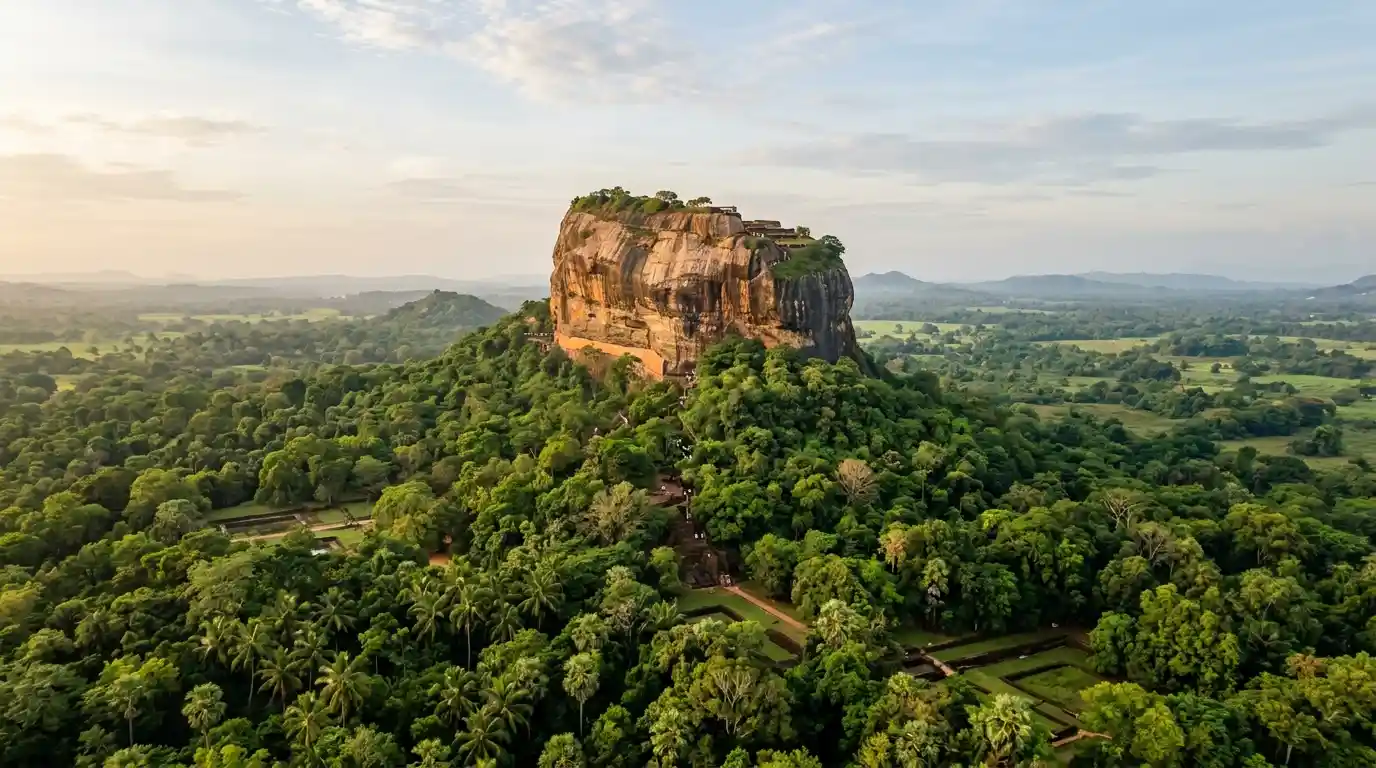
Sigiriya is one of Sri Lanka’s most recognizable landmarks. Rising above the surrounding greenery, this ancient rock fortress combines archaeological importance with remarkable natural scenery. The site features landscaped water gardens, historic frescoes, remnants of royal structures, and a dramatic summit overlooking the countryside.
Climbing Sigiriya Rock is a highlight for many travelers. The route includes stairways and exposed sections, so comfortable footwear, drinking water, and an early start are helpful. Visitors who prefer a different perspective can explore the surrounding gardens and nearby villages without making the full climb.
Sigiriya also works well as a base for exploring Sri Lanka’s Cultural Triangle. Dambulla’s cave temples and the ancient city of Polonnaruwa can be incorporated into a wider heritage-focused itinerary.
Best for: History enthusiasts, photographers, cultural travelers, and first-time visitors.
2. Ella: Best for Mountains, Hiking, and Scenic Train Journeys
Ella is a small hill-country town known for green mountain slopes, tea estates, waterfalls, and scenic walking trails. Its relaxed atmosphere makes it a popular stop for travelers who want to slow down after visiting historic sites or busy cities.
Little Adam’s Peak offers a rewarding walk with expansive views, while Ella Rock is a more demanding option for hikers seeking a longer adventure. The Nine Arch Bridge is another popular attraction, surrounded by forested hills and tea-growing landscapes.
The train journey through Sri Lanka’s central highlands is an experience in its own right. Travelers can enjoy changing views of mountains, plantations, valleys, and small stations along the route. Train schedules and seat availability should be checked before departure, particularly during busy travel periods.
Best for: Hikers, couples, nature lovers, and travelers who enjoy mountain scenery.
3. Kandy: Best for Culture and Religious Heritage
Kandy sits among the central hills and is one of Sri Lanka’s most important cultural destinations. The city is famous for the Temple of the Sacred Tooth Relic, a significant Buddhist religious site that attracts pilgrims and visitors throughout the year.
Travelers can also spend time beside Kandy Lake, explore local markets, visit cultural museums, and discover traditional arts and crafts. The city’s surrounding hills provide attractive viewpoints and opportunities for short excursions beyond the center.
Kandy is a useful stop between the Cultural Triangle and the hill country. Rather than treating it only as a transport connection, consider allowing enough time to appreciate its religious traditions, local food, and historic atmosphere.
Visitors should dress respectfully when entering religious sites, follow posted photography rules, and observe local customs.
Best for: Cultural exploration, religious heritage, families, and travelers interested in local traditions.
4. Galle: Best for Historic Streets and Coastal Charm
Galle is a historic coastal city on Sri Lanka’s southwest coast. Its famous fort area contains preserved colonial-era buildings, narrow streets, small museums, independent shops, cafes, and ocean-facing ramparts.
Walking through Galle Fort is one of the easiest ways to experience the city’s character. Visitors can explore its historic architecture, browse local craft shops, and enjoy views of the Indian Ocean. Late afternoon is particularly appealing for a leisurely walk as the light changes over the fort walls.
Galle also makes a convenient base for exploring nearby coastal communities. Depending on your interests, you can combine its heritage attractions with beach visits, local dining, and short excursions along the southern coastline.
Best for: History lovers, couples, photographers, architecture enthusiasts, and relaxed city breaks.
5. Mirissa: Best for Beaches and Ocean Experiences
Mirissa is a popular beach destination on the southern coast, known for its sandy shoreline, palm trees, relaxed cafes, and opportunities for ocean activities. It appeals to travelers who want a few days of swimming, beach walks, and downtime between sightseeing stops.
Depending on sea conditions and the season, visitors may also find surfing lessons, snorkeling excursions, or organized whale-watching trips. Marine wildlife sightings are never guaranteed, so choose responsible operators that follow appropriate wildlife-viewing practices.
Conditions can vary considerably throughout the year. Check local surf reports, sea conditions, and excursion availability before planning water activities. Strong currents can make some beaches unsuitable for swimming at certain times.
Best for: Beach holidays, couples, ocean activities, and travelers looking for a relaxed coastal atmosphere.
6. Nuwara Eliya: Best for Tea Plantations and Cool Weather
Nuwara Eliya offers a cooler climate, rolling green hills, tea estates, gardens, and buildings influenced by the region’s colonial past. Its landscapes provide a different experience from Sri Lanka’s tropical coastline and warmer lowland cities.
Visitors can tour tea-producing areas, learn how tea leaves are processed, and enjoy views across the surrounding plantations. The town’s gardens and lakeside areas also provide opportunities for relaxed walks and short outings.
Weather in the highlands can change quickly, so pack a light jacket and clothing suitable for rain. If you are combining Nuwara Eliya with Ella or Kandy, allow sufficient time for winding mountain roads and possible transport delays.
Best for: Tea enthusiasts, couples, scenic drives, and travelers who prefer cooler weather.
7. Yala National Park: Best for Wildlife Safaris
Yala National Park is one of Sri Lanka’s best-known wildlife destinations. Its varied habitats include dry forests, grasslands, lagoons, and coastal areas that support a wide range of wildlife.
Visitors commonly join guided jeep safaris to look for elephants, crocodiles, deer, colorful birds, and, with luck, leopards. Wildlife sightings depend on season, animal movements, and environmental conditions, so no responsible operator can guarantee a particular encounter.
For a better experience, follow your guide’s instructions, remain inside the designated vehicle areas, and avoid operators who pressure animals or disregard park rules. Booking accommodation and safari arrangements in advance can be useful during busy periods.
Best for: Wildlife photographers, nature lovers, families with older children, and safari enthusiasts.
8. Udawalawe National Park: Best for Elephant Watching
Udawalawe National Park is another strong choice for travelers interested in Sri Lanka’s wildlife. The park is especially well known for its elephant population and open landscapes, which can make wildlife observation rewarding.
A guided safari provides an opportunity to learn about elephant behavior, other mammals, and the park’s habitats. Sightings still vary, and visitors should maintain a respectful distance rather than attempting to approach or feed wild animals.
Udawalawe can be a useful alternative or addition to a southern Sri Lanka itinerary. When choosing between wildlife parks, consider your route, available time, interests, and the current conditions rather than assuming every park offers the same experience.
Best for: Elephant enthusiasts, families, wildlife photographers, and travelers seeking a safari experience.
9. Anuradhapura: Best for Ancient Sacred Sites
Anuradhapura is an ancient city with extensive archaeological remains and deep religious significance. Its historic landscape includes monumental stupas, monastery complexes, sacred trees, and other structures associated with early Sri Lankan civilization.
The attractions are spread across a large area, so arranging transport or planning a cycling route can make sightseeing more manageable. Visitors should set aside enough time to explore without rushing between sites.
Because many locations remain active places of worship, modest clothing and respectful behavior are important. Some areas require visitors to remove footwear, and photography restrictions may apply.
Best for: History enthusiasts, cultural travelers, archaeology fans, and visitors interested in Buddhist heritage.
10. Polonnaruwa: Best for Archaeological Exploration
Polonnaruwa is an important ancient city known for its preserved ruins, stone sculptures, religious monuments, and remains of historic royal buildings. Its archaeological zone provides a fascinating look at the engineering and artistic achievements of earlier Sri Lankan kingdoms.
Many visitors explore the main sites by bicycle or with a local driver. The distance between attractions means it is worth carrying water, wearing sun protection, and allowing time for breaks in the heat.
Polonnaruwa pairs naturally with Sigiriya and other destinations in the Cultural Triangle. Combining these locations creates a more complete picture of Sri Lanka’s ancient history without requiring separate long-distance journeys.
Best for: Archaeology enthusiasts, history lovers, photographers, and travelers exploring the Cultural Triangle.
11. Unawatuna: Best for a Relaxed Beach Stay
Unawatuna is a coastal destination near Galle that attracts visitors with its beach, dining options, and access to nearby attractions. It can suit travelers who want to spend more time beside the ocean while remaining within reach of historic sites and other southern coastal towns.
Depending on weather and water conditions, visitors may enjoy swimming in suitable areas, coastal walks, or organized snorkeling excursions. Always pay attention to local safety advice because currents and surf conditions can change.
Unawatuna is also convenient for short visits to Galle Fort. Travelers can stay near the beach and arrange a separate outing to explore the city’s architecture, shops, and restaurants.
Best for: Beach lovers, couples, relaxed holidays, and travelers combining coastal scenery with heritage sightseeing.
12. Trincomalee: Best for East Coast Beaches
Trincomalee offers a different coastal experience from Sri Lanka’s southwest. The area is known for its harbor, beaches, cultural attractions, and access to marine activities during suitable conditions.
Nearby Nilaveli and other coastal stretches appeal to visitors looking for sandy beaches and a more leisurely pace. Boat trips and snorkeling may be available seasonally, but travelers should confirm sea conditions, operator standards, and local guidance before booking.
The east coast follows a different seasonal pattern from the southwest. This makes Trincomalee particularly useful for travelers whose dates do not align with the preferred beach season in the south and west.
Best for: Beach holidays, coastal photography, marine activities, and travelers exploring Sri Lanka beyond the classic southern route.
How to Choose the Best Place to Visit in Sri Lanka
The right destination depends on the experience you want most. Instead of trying to see every attraction, choose a few regions that fit your interests and travel dates.
- For a first visit: Combine Sigiriya, Kandy, Ella, and Galle to experience history, culture, mountains, and the coast.
- For beaches: Consider Mirissa and Unawatuna on the southwest coast, or Trincomalee on the east coast when seasonal conditions are favorable.
- For wildlife: Choose Yala for a broader safari experience or Udawalawe for a trip focused on elephants.
- For ancient history: Prioritize Sigiriya, Anuradhapura, and Polonnaruwa.
- For scenic landscapes: Explore Ella and Nuwara Eliya for mountain views, tea estates, and walking opportunities.
- For cultural experiences: Spend time in Kandy and the ancient cities, respecting religious customs and local traditions.
- For a family holiday: Balance sightseeing with manageable travel days, comfortable accommodation, and activities suitable for everyone’s age and mobility.
If you are considering other international destinations, you can also explore our guides to the best place to visit in Malaysia, places to visit around Kuala Lumpur, and places to visit in Nepal during winter for more regional travel inspiration.
Best Time to Visit Sri Lanka
Sri Lanka has more than one travel season because monsoon conditions affect different coasts at different times. This means the best month depends on the region you plan to visit, not simply on the country as a whole.
The southwest coast and much of the hill country are generally popular during the drier period from around December to March. The east coast often offers better beach conditions during a different part of the year, commonly around May to September. These are broad seasonal patterns, not guarantees, and conditions can vary.
The Cultural Triangle and ancient cities can be visited throughout much of the year, but heat and rainfall may affect walking conditions. For outdoor activities, check local forecasts and current travel information close to your departure date.
Travelers planning trips in other seasons may also find our guides to places to visit in September and October, winter travel destinations, and monsoon travel in Maharashtra helpful when comparing seasonal holidays.
Suggested Sri Lanka Itineraries
5 to 7 Days: A First-Time Visit
- Days 1–2: Explore Sigiriya and nearby cultural attractions.
- Day 3: Travel to Kandy and visit its major cultural sites.
- Days 4–5: Continue to Ella or another hill-country destination for scenic walks and mountain views.
- Days 6–7: Finish with Galle or a nearby beach town, depending on your departure arrangements.
8 to 10 Days: Culture, Hills, and Wildlife
- Begin with Sigiriya and the Cultural Triangle.
- Spend time in Kandy before heading into the highlands.
- Explore Ella and the surrounding countryside.
- Add a safari at Yala or Udawalawe if it fits your route.
- Finish on the southern coast before returning toward your departure point.
10 to 14 Days: A More Relaxed Island Journey
- Explore the Cultural Triangle at a comfortable pace.
- Visit Kandy and the tea-growing highlands.
- Spend time in Ella for hiking and scenery.
- Choose a wildlife park based on your interests.
- Explore Galle and one or two southern beaches.
- Consider the east coast or northern Sri Lanka if the season and transport schedule make the extra journey worthwhile.
These are flexible outlines rather than fixed schedules. Actual journey times depend on road conditions, train availability, and the locations you choose. Avoid adding too many stops simply to cover more ground; fewer destinations with enough time to enjoy them often create a better holiday.
Practical Tips for Visiting Sri Lanka
- Plan by region: Group nearby attractions together to reduce long transfers and unnecessary backtracking.
- Allow extra travel time: Mountain roads and local transport can make short distances take longer than expected.
- Pack for different climates: Coastal areas can be hot and humid, while the hill country can be cooler and rainy.
- Respect local customs: Dress modestly at religious sites and follow posted instructions about footwear and photography.
- Check entry requirements: Confirm current visa and passport requirements through the appropriate official channels before traveling.
- Book important arrangements early: Popular accommodation, train seats, and guided activities may be limited during busy periods.
- Choose responsible wildlife tours: Avoid activities that involve feeding, chasing, or disturbing wild animals.
- Keep plans flexible: Weather, transport changes, and local conditions may require adjustments.
If accommodation is an important part of your planning, our guides to coastal hotel stays, hotel options in Philipsburg, and boutique hotel experiences offer additional ideas for comparing accommodation styles in other destinations.
Frequently Asked Questions
What is the single best place to visit in Sri Lanka?
Sigiriya is an excellent all-around choice for first-time visitors interested in history and scenery. However, Ella may be better for mountain landscapes, Galle for historic coastal charm, and Mirissa for a beach-focused holiday.
Is Sri Lanka suitable for a first international trip?
It can be a rewarding option for travelers who plan their route carefully. A balanced itinerary, suitable transport arrangements, and awareness of local weather and customs can make the trip easier to manage.
How many days are enough to visit Sri Lanka?
Five to seven days can cover a few major highlights. Eight to ten days allow more time for the Cultural Triangle, hill country, and southern coast, while two weeks provide more flexibility for additional regions.
Which part of Sri Lanka is best for beaches?
The southwest and south are popular for beach trips during their favorable season, while the east coast can be a better choice at a different time of year. Always check local sea conditions before swimming or booking marine activities.
Where should wildlife lovers go in Sri Lanka?
Yala and Udawalawe are two popular national parks. Yala is known for its leopard habitat, while Udawalawe is particularly associated with elephant viewing. Wildlife sightings are never guaranteed.
Is Sri Lanka expensive to visit?
Costs depend on accommodation, transport, dining choices, and activities. Travelers can compare guesthouses, hotels, public transport, private transfers, and guided excursions to build a trip that suits their budget.
Can I visit beaches, mountains, and historic cities on one trip?
Yes. Many travelers combine the Cultural Triangle, the central highlands, and the southern coast. The key is allowing enough time for transfers instead of trying to visit every region in a short holiday.
Final Thoughts
So, where is the best place to visit in Sri Lanka? For many first-time travelers, Sigiriya is a standout for its historic rock fortress and dramatic views. Ella offers unforgettable highland scenery, Kandy provides cultural depth, Galle combines history with coastal charm, and destinations such as Mirissa, Yala, and Udawalawe add beaches and wildlife to the experience.
The best itinerary is the one that matches your interests, travel dates, and available time. Choose a few complementary regions, consider the seasonal differences between the coasts, and leave enough room to enjoy each destination without rushing. With thoughtful planning, Sri Lanka can deliver an enriching mix of culture, nature, adventure, and relaxation.
For more inspiration, explore our guides to family travel in Vietnam, family destinations in the Philippines, the Andaman and Nicobar Islands, and family-friendly places in Uttarakhand.
Travelers interested in other scenic destinations can also explore our guides to Ooty and Coonoor for hill-station scenery, Hunza Valley for mountain landscapes, places to visit in Seoul during summer for an urban cultural getaway, Japan’s historical and scenic attractions, and Malaysia honeymoon destinations for another tropical holiday idea.