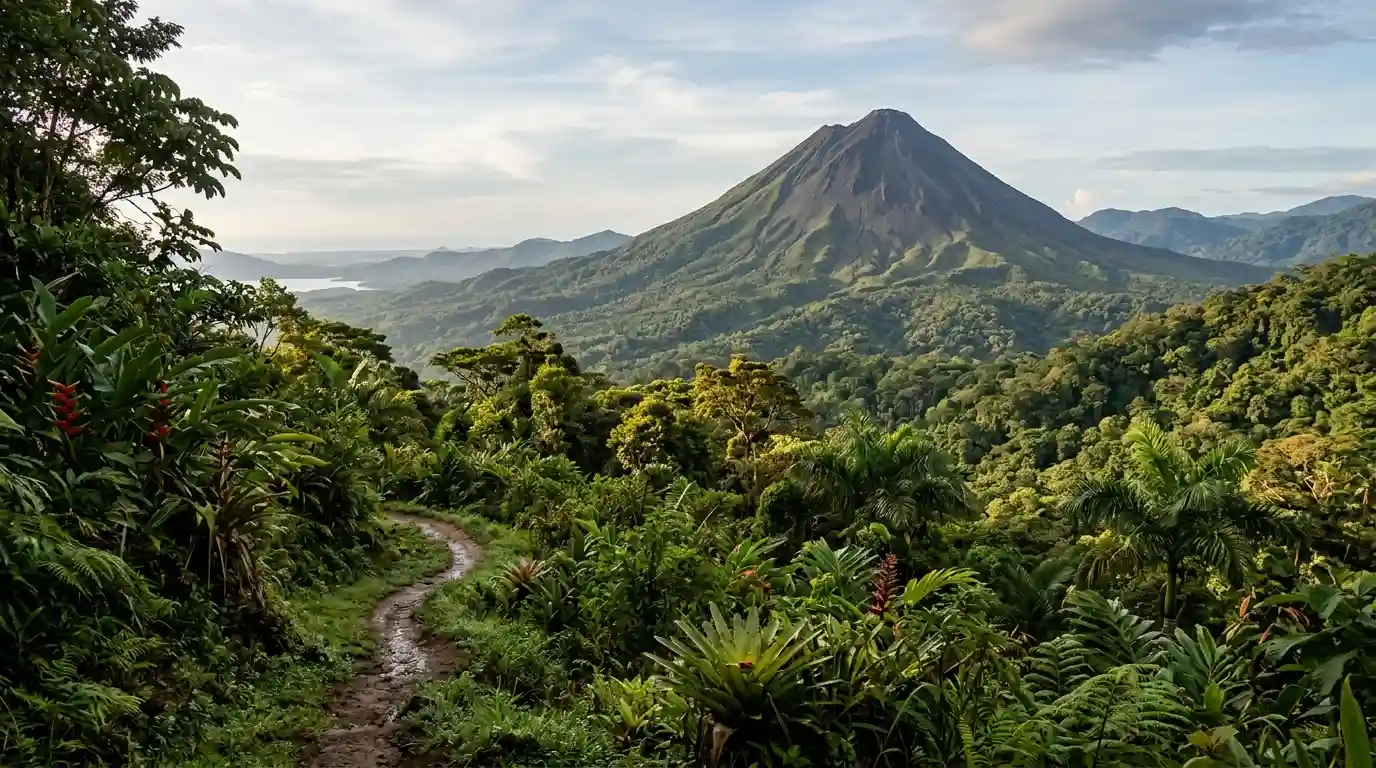
Choosing the best place to visit in Costa Rica depends on the kind of experience you want. This Central American destination is known for its tropical beaches, lush rainforests, volcanoes, cloud forests, wildlife, and welcoming coastal towns. Some travelers come for outdoor adventures, while others prefer peaceful beaches, nature photography, cultural experiences, or relaxing stays surrounded by tropical scenery.
This guide explores the best places to visit in Costa Rica, what makes each destination special, who should consider visiting, and how to choose the right itinerary for your trip.
What Is the Best Place to Visit in Costa Rica?
For many first-time visitors, La Fortuna is one of the most versatile destinations in Costa Rica. It offers access to the Arenal Volcano area, rainforest trails, waterfalls, natural hot springs, and adventure activities. Travelers looking for a combination of wildlife and beach scenery may prefer Manuel Antonio, while Monteverde is particularly appealing to nature lovers and birdwatchers.
Here is a quick comparison to help you decide:
| Destination | Best For | What Makes It Special |
|---|---|---|
| La Fortuna | First-time visitors and adventure seekers | Volcano scenery, waterfalls, hot springs, and hiking |
| Manuel Antonio | Wildlife lovers and beachgoers | Rainforest trails, monkeys, sloths, and Pacific beaches |
| Monteverde | Nature lovers and birdwatchers | Misty cloud forests, canopy walks, and rich biodiversity |
| Tamarindo | Surfers and social travelers | Surfing, beach sunsets, restaurants, and coastal activities |
| Tortuguero | Wildlife enthusiasts | Waterways, rainforest habitats, and seasonal turtle nesting |
| Puerto Viejo | Travelers seeking Caribbean culture | Coastal scenery, distinctive food, and a relaxed atmosphere |
| Osa Peninsula | Experienced nature travelers | Remote rainforest, wildlife watching, and wilderness adventures |
1. La Fortuna and Arenal Volcano: Best Overall Destination
La Fortuna is one of the strongest choices for travelers who want to experience several sides of Costa Rica in one area. Located in the northern interior, the town provides a convenient base for exploring the Arenal region, where rainforest landscapes surround the striking volcanic cone of Arenal Volcano.
The destination combines natural attractions with practical visitor facilities, making it suitable for couples, families, solo travelers, and outdoor enthusiasts. You can spend the morning walking through the forest, the afternoon visiting a waterfall, and the evening relaxing in a geothermal hot spring.
Top Things to Do in La Fortuna
- Explore Arenal Volcano National Park: Walk designated trails through forest and old lava landscapes while enjoying views of the surrounding region when conditions permit.
- Visit La Fortuna Waterfall: Descend the steps to a dramatic waterfall surrounded by lush tropical vegetation.
- Relax in natural hot springs: Enjoy geothermal pools in landscaped settings after a day of outdoor activities.
- Walk hanging bridges: Experience the rainforest canopy from elevated bridges and observe the plants, birds, and wildlife around you.
- Discover Lake Arenal: Enjoy the scenery and consider suitable activities such as kayaking or windsurfing where available.
La Fortuna is particularly suitable for visitors who prefer an active holiday without changing accommodation every night. Plan at least two or three nights if you want time for the main attractions without rushing.
2. Manuel Antonio: Best for Beaches and Wildlife
Manuel Antonio is an excellent choice for travelers who want to combine tropical beaches with opportunities to observe wildlife. Located on Costa Rica’s central Pacific coast near Quepos, the destination is known for its coastal scenery, forested hills, and Manuel Antonio National Park.
The park’s trails provide opportunities to look for monkeys, sloths, iguanas, and tropical birds. Wildlife sightings are never guaranteed, so move quietly, observe animals from a respectful distance, and avoid feeding them.
What to Experience in Manuel Antonio
- Walk designated trails through tropical forest.
- Spend time on the park’s beaches when access and conditions permit.
- Enjoy coastal viewpoints and scenic photography.
- Explore nearby Quepos for restaurants, accommodation, and marine excursions.
- Join a knowledgeable local guide to improve your chances of identifying wildlife.
Manuel Antonio works well for couples, families, and first-time visitors who want a relatively accessible introduction to Costa Rica’s natural attractions. It can become busy during popular travel periods, so check current park arrangements and plan your visit accordingly.
3. Monteverde: Best for Cloud Forests and Nature
Monteverde offers a different atmosphere from Costa Rica’s warm coastal destinations. Its elevated landscape, misty conditions, and cloud forests create a setting rich in mosses, orchids, ferns, and other moisture-loving plants.
The area is particularly attractive to birdwatchers, photographers, hikers, and travelers interested in biodiversity. The possibility of seeing a resplendent quetzal draws many visitors, although sightings depend on the season, location, and natural conditions.
Things to Do in Monteverde
- Walk marked trails in established cloud forest reserves.
- Explore canopy bridges and elevated forest walkways.
- Look for hummingbirds, toucans, and other bird species.
- Join guided nature walks to learn about local ecosystems.
- Visit butterfly gardens or other conservation-oriented attractions where available.
Bring a light waterproof jacket and comfortable walking shoes. The weather can change quickly, and trails may be wet or muddy. Two nights is a useful starting point for travelers who want to explore the main attractions at a relaxed pace.
4. Tamarindo: Best for Surfing and Beach Life
Tamarindo, on the Pacific coast in Guanacaste, is a popular choice for visitors seeking surfing, beach activities, restaurants, and a lively coastal atmosphere. It offers a different experience from remote rainforest destinations, with a developed visitor scene and a wide range of places to eat and stay.
Surf schools and instructors can help beginners learn the basics, while more experienced surfers can explore suitable breaks according to their skill level and current sea conditions.
Popular Activities in Tamarindo
- Take a beginner surfing lesson or practice at an appropriate break.
- Walk along the beach and watch the sunset.
- Explore local restaurants and cafes.
- Consider guided boat trips or other coastal excursions.
- Visit nearby beaches when transport and time allow.
Tamarindo is a strong option for social travelers, groups of friends, and anyone who wants beach time alongside dining and evening activities. Travelers seeking solitude may prefer a quieter coastal area.
5. Tortuguero: Best for Canals and Wildlife
Tortuguero, on the Caribbean coast, is known for its waterways, rainforest surroundings, and important wildlife habitats. The area’s network of canals creates opportunities to explore environments that differ significantly from Costa Rica’s Pacific beaches and mountainous interior.
Boat trips and guided excursions may reveal birds, reptiles, monkeys, and other wildlife along the waterways. The region is also associated with sea turtle nesting, particularly green turtles, during seasonal periods. Nesting activity varies, and visitors should follow local conservation guidance rather than assume turtles will be present on a particular night.
How to Make the Most of Tortuguero
- Take a guided canal excursion when conditions allow.
- Look for wildlife without disturbing natural habitats.
- Learn about local conservation and turtle protection efforts.
- Allow time to enjoy the village and its Caribbean coastal setting.
Tortuguero is a rewarding choice for travelers who enjoy slow-paced nature experiences. Because access often involves boats and road transfers, plan transportation before arriving and allow enough time for connections.
6. Puerto Viejo de Talamanca: Best for Caribbean Culture
Puerto Viejo de Talamanca offers a distinctive Caribbean experience with tropical beaches, local food, music, cycling routes, and a relaxed atmosphere. It is a good option for visitors who want to experience a different regional character from the Pacific side of the country.
The surrounding area includes coastal communities and natural attractions that can be explored through day trips. Visitors can spend time on suitable beaches, discover local restaurants, or visit nearby protected areas with guidance about responsible wildlife viewing.
What Makes Puerto Viejo Worth Visiting?
- Experience Caribbean-influenced food and local culture.
- Explore beaches according to swimming and surf conditions.
- Visit nearby nature reserves and forested areas.
- Cycle between selected local attractions where roads and conditions are suitable.
- Enjoy a slower pace than in larger tourism centers.
Puerto Viejo is particularly appealing to independent travelers, couples, and visitors interested in culture as well as nature. Ocean conditions vary, so check local advice before swimming.
7. Guanacaste: Best for Sunshine and Coastal Escapes
Guanacaste, in northwestern Costa Rica, is a broad region rather than a single destination. It includes beach towns, dry tropical landscapes, protected areas, and coastal communities with different atmospheres and activity options.
Travelers often choose this region for beach holidays, surfing, boat excursions, and access to selected national parks. Some areas have a more developed resort environment, while others offer quieter beaches and a more laid-back experience.
Places and Experiences to Consider
- Playa Flamingo: A coastal base for beach relaxation and suitable marine excursions.
- Playa Conchal: Known for its distinctive shell-fragment shoreline and clear coastal scenery.
- Peninsula Papagayo: An option for travelers interested in resort stays and coastal activities.
- Rincón de la Vieja area: Offers opportunities to explore volcanic landscapes and natural features in the surrounding region.
Guanacaste is worth considering if your ideal holiday includes sunshine, beaches, and outdoor activities without a packed sightseeing schedule. The dry season is popular for many Pacific coast trips, but weather conditions vary across Costa Rica and from year to year.
8. The Osa Peninsula: Best for Remote Nature Experiences
The Osa Peninsula, in southwestern Costa Rica, is a compelling destination for travelers interested in rainforest ecosystems and relatively remote natural environments. Corcovado National Park is one of the area’s best-known attractions, and the region supports a remarkable range of tropical wildlife.
Visitors may encounter opportunities for guided rainforest walks, birdwatching, and exploring coastal environments. However, wildlife sightings depend on natural conditions, and some excursions require advance planning, local guides, and suitable transportation.
Who Should Visit the Osa Peninsula?
This region is particularly suitable for experienced nature travelers, photographers, wildlife enthusiasts, and people who enjoy spending time away from busy resort areas. It may be less convenient for visitors with only a few days or those who prefer easy road access and extensive tourist facilities.
Plan carefully, confirm park entry arrangements, and choose activities that match your fitness level and travel experience.
9. San José: Best for Museums, Food, and Urban Culture
San José is Costa Rica’s capital and a practical arrival or departure point for many visitors. Although travelers often move quickly toward beaches and national parks, the city offers opportunities to explore museums, architecture, markets, restaurants, and everyday urban life.
A short stay can provide a useful introduction to Costa Rican history and culture before heading into the countryside.
Things to Do in San José
- Visit museums and cultural institutions that interest you.
- Explore central neighborhoods and historic architecture during the day.
- Try Costa Rican dishes at local restaurants.
- Browse markets and artisan shops.
- Use the city as a base for organizing onward transportation.
San José is worth including if you enjoy cultural attractions or have time between international flights. For travelers focused entirely on beaches and rainforest, a short overnight stay may be sufficient.
10. Santa Teresa and the Nicoya Peninsula: Best for Surfing and Relaxation
The Nicoya Peninsula is known for coastal scenery, surf communities, and beach destinations with varied personalities. Santa Teresa appeals to travelers seeking surfing, wellness activities, casual dining, and a laid-back coastal atmosphere.
Visitors can spend their days learning to surf, walking along the shore, enjoying local cafes, or arranging suitable excursions. Road conditions and transfer times can vary, so transportation planning is important, especially when combining the peninsula with other regions.
Choose Santa Teresa if you prefer a relaxed beach-focused trip over a schedule filled with museums and major attractions. If you are planning a family holiday, check accommodation access, beach conditions, and available activities before booking.
How to Choose the Best Place in Costa Rica for Your Travel Style
The best destination depends on your interests, travel time, budget, and preferred pace. Use these recommendations to narrow your options.
Best for First-Time Visitors
Consider La Fortuna, Monteverde, and Manuel Antonio. Together, these destinations offer volcano scenery, cloud forests, wildlife, and Pacific beaches. You can experience a broad range of landscapes without trying to cover every corner of the country.
Best for Families
La Fortuna and selected Guanacaste beach areas can work well for families because they offer a mixture of outdoor activities and accommodation options. Check age restrictions, travel times, swimming conditions, and the physical demands of excursions before making reservations.
Best for Couples
Couples may enjoy La Fortuna for hot springs and mountain scenery, Manuel Antonio for rainforest and beach experiences, or Santa Teresa for a slower coastal escape. The right choice depends on whether you prefer adventure, relaxation, or a combination of both.
Best for Wildlife Enthusiasts
Consider Manuel Antonio, Tortuguero, Monteverde, or the Osa Peninsula. Each has different habitats and wildlife-viewing opportunities. A local guide can help identify species while supporting responsible observation practices.
Best for Surfing
Tamarindo and Santa Teresa are popular options for surf-focused trips. Conditions differ by beach and season, so choose a location suited to your experience level and follow local safety advice.
Best for a Quiet Nature Escape
Explore less-developed areas of the Osa Peninsula or selected parts of the Caribbean coast. These trips may involve longer transfers and fewer conveniences, so research transport and accommodation carefully.
When Is the Best Time to Visit Costa Rica?
Costa Rica has several climate patterns, and the best travel period depends on the destination and activities you have in mind.
The Pacific side generally experiences a drier period during much of December through April, which is popular for beach holidays and outdoor travel. The wetter months can bring lush vegetation and fewer visitors in some locations, although heavy rain may affect road conditions and excursions.
The Caribbean side follows a different weather pattern. Rainfall can occur throughout the year, and its relatively drier periods do not always match those of the Pacific coast.
Before booking, consider these practical points:
- Check the seasonal conditions for your specific destination.
- Allow extra travel time during rainy periods.
- Book popular accommodation and guided activities in advance during busy holidays.
- Confirm park schedules, access arrangements, and any seasonal restrictions.
- Pack lightweight clothing, rain protection, comfortable footwear, and sun protection.
How Many Days Do You Need in Costa Rica?
Your ideal trip length depends on how many regions you want to explore. Costa Rica may look compact on a map, but mountain roads, traffic, ferry connections, and remote destinations can make transfers longer than expected.
- 3–4 days: Focus on one main region, such as La Fortuna or a Guanacaste beach destination.
- 5–7 days: Choose two destinations with a manageable transfer between them.
- 8–10 days: Consider combining La Fortuna, Monteverde, and Manuel Antonio if transportation times fit your plans.
- 12–14 days: Allow time for several regions, including a Caribbean destination or a more remote nature experience.
A slower itinerary often provides a better experience than trying to visit every major attraction. Spending several nights in each region gives you more flexibility when weather changes or an activity takes longer than expected.
Practical Travel Tips for Costa Rica
A little preparation can make your trip more comfortable and help you get the most from Costa Rica’s natural attractions.
- Plan transfers realistically: Check road conditions, driving times, and transport availability before combining distant destinations.
- Respect wildlife: Keep a safe distance, never feed wild animals, and follow the instructions of park staff and guides.
- Pack for different climates: Coastal heat, mountain rain, and cooler cloud forest conditions may require different clothing.
- Carry suitable footwear: Hiking shoes or sturdy walking shoes are useful for forest trails and uneven ground.
- Protect against sun and rain: Bring sunscreen, insect protection, and a lightweight waterproof layer.
- Check activity requirements: Confirm age limits, fitness requirements, equipment, and booking conditions for tours.
- Leave room for flexibility: Weather and road conditions can change, particularly in remote areas.
Suggested Costa Rica Itinerary for First-Time Visitors
If you have approximately one week, consider building your itinerary around three complementary destinations rather than attempting to travel across the entire country.
Days 1–3: La Fortuna
Explore the Arenal region, visit La Fortuna Waterfall, walk a rainforest trail, and set aside time for a hot spring experience. Keep your first day flexible if you arrive after a long international flight.
Days 4–5: Monteverde
Travel to Monteverde and explore a cloud forest reserve. Consider a guided walk or canopy experience, depending on the weather and your interests.
Days 6–7: Manuel Antonio
Finish with a visit to Manuel Antonio National Park, time on a suitable beach, and a relaxed meal near the coast. Allow sufficient time to return to your departure airport, and avoid scheduling a long transfer immediately before an international flight.
This route offers a balanced introduction to volcano landscapes, highland forests, wildlife, and Pacific coast scenery. If you prefer a beach holiday, replace one of the inland destinations with a suitable coastal base instead.
Final Verdict: What Is the Best Place to Visit in Costa Rica?
La Fortuna and the Arenal Volcano region are our leading all-around recommendation for first-time visitors because they offer a strong mix of natural scenery, outdoor activities, waterfalls, hot springs, and convenient access to guided excursions.
However, there is no single destination that suits every traveler. Manuel Antonio is an excellent option for combining beaches with wildlife, Monteverde appeals to cloud forest enthusiasts, Tamarindo is a popular choice for surfing, and Tortuguero and the Osa Peninsula reward visitors interested in more specialized nature experiences.
Choose your destinations according to your interests, available days, and travel style. With a realistic itinerary and respect for the country’s natural environments, Costa Rica can provide a memorable experience whether you are visiting for adventure, relaxation, wildlife, or cultural discovery.
Explore More Travel Inspiration
If you are still comparing destinations for your next trip, explore these related travel guides for more ideas:
- Places to Visit in Mexico Near Texas
- Places to Visit in Los Cabos, Mexico
- The Bahamas Travel Guide
- Best Places to Visit in South America
- World’s Best Places to Visit
- Strange Places to Visit in the World
- The Best Place to Visit in Malaysia
- Places to Visit in Malaysia for a Honeymoon
- Best Places to Visit in Bicol, Philippines
- Top Places to Visit in the Philippines
- Places to Visit in the Philippines for Families
- Best Places to Visit in Sri Lanka
- What’s the Best Place to Visit in Costa Rica?
- Best Places to Visit in South Florida
- Places to Visit in St. John’s, Newfoundland
- Best Places to Visit in Europe on a Budget
As you plan your journey through the enchanting landscapes of Costa Rica, it’s essential to consider not only the diverse experiences this destination offers but also the optimal timing for your visit. Costa Rica’s appeal lies not only in its breathtaking natural beauty but also in the unique seasonal experiences available, which can enhance your adventure significantly. If your travels happen to coincide with September and October, you might also explore other captivating locales around the world. For instance, many travelers seek out the best places to visit in September and October, where autumn foliage and mild climates create unforgettable memories. Balancing your Costa Rican itinerary with global seasonal highlights can provide a richer, more fulfilling travel experience.