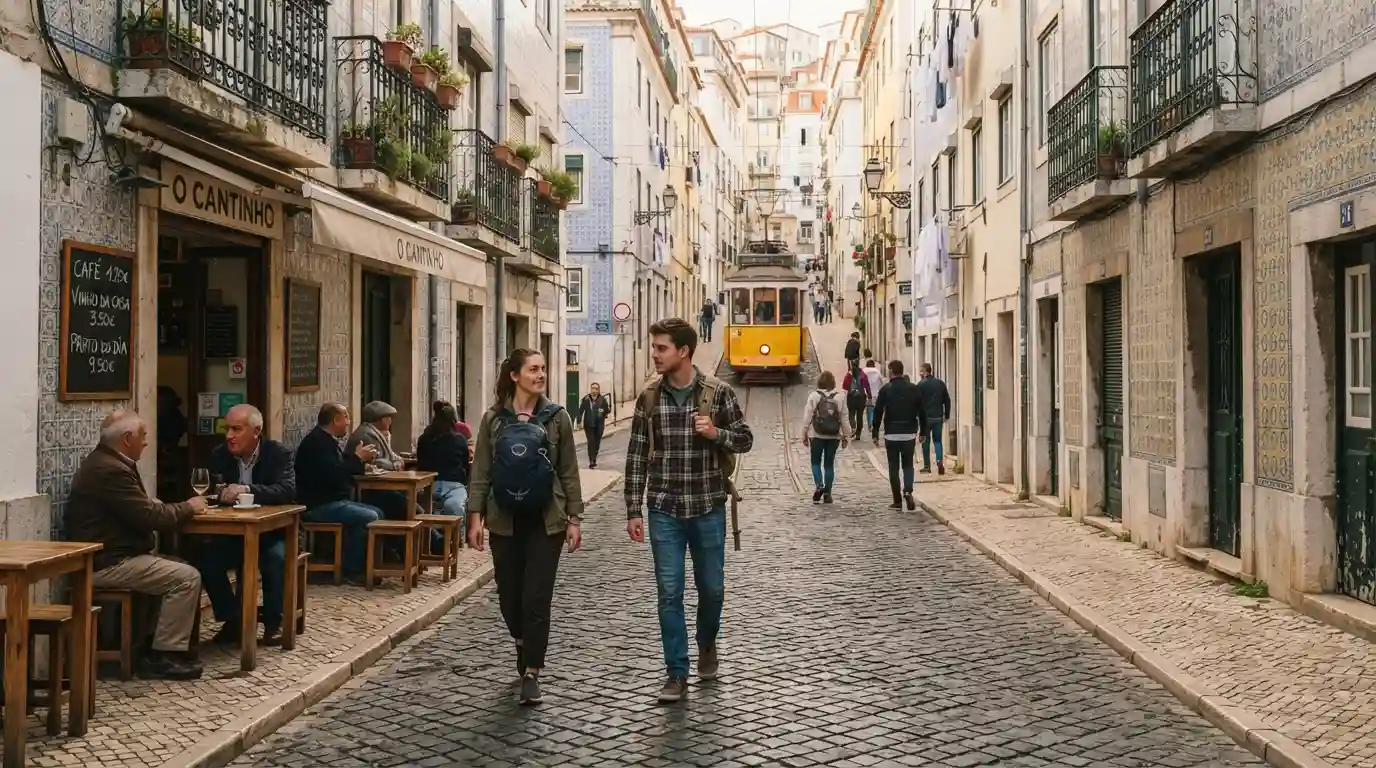
The best places to visit in Europe for cheap are often found in Central, Eastern, and Southeastern Europe, where accommodation, food, public transportation, and attractions can be considerably more affordable than in Europe’s most expensive capitals. Some destinations in Southern and Western Europe can also work well for budget travelers when visited during the shoulder or off-season.
This guide highlights affordable European destinations for travelers who want culture, history, beaches, food, nature, and memorable experiences while keeping costs under control.
What Makes a European Destination Affordable?
A cheap European destination is not simply a city with inexpensive hotels. Your overall travel cost depends on several factors, including accommodation, transportation, food, sightseeing, and the season in which you travel.
- Affordable accommodation: Hostels, guesthouses, apartments, and budget hotels can significantly reduce daily expenses.
- Low-cost food: Local restaurants, bakeries, markets, and street food are usually cheaper than tourist-focused restaurants.
- Reasonable transportation: Walkable city centers and affordable trains or buses make it easier to explore without relying on expensive taxis.
- Free attractions: Historic districts, public squares, parks, beaches, viewpoints, and walking routes can provide memorable experiences without admission fees.
- Affordable travel seasons: Spring and autumn often offer a useful balance between weather, crowds, and prices.
18 Best Places to Visit in Europe for Cheap
1. Budapest, Hungary
Budapest is one of the strongest choices for travelers looking for an affordable European city break. Hungary’s capital combines historic architecture, thermal baths, river views, lively neighborhoods, and a strong food culture.
The city is particularly appealing because many of its most enjoyable experiences involve walking and sightseeing rather than expensive attractions. Exploring the Danube waterfront, historic streets, public squares, and architectural landmarks can provide a full itinerary without a huge daily budget.
Budget travelers can also look for accommodation outside the most tourist-heavy streets while remaining close to public transportation.
2. Krakow, Poland
Krakow offers a combination of history, architecture, museums, traditional food, and a compact historic center that works well for budget-conscious travelers. The Old Town is highly walkable, making it possible to explore many major sights without repeatedly paying for transportation.
Local restaurants and casual food establishments can also make Krakow easier on the wallet than many major Western European cities.
3. Prague, Czech Republic
Prague is one of Europe’s most recognizable destinations, but travelers can experience much of its atmosphere without paying for expensive attractions at every stop. Its historic center, bridges, viewpoints, churches, and colorful streets provide plenty of opportunities for free or low-cost sightseeing.
To save money, stay slightly away from the most tourist-focused areas and explore the city on foot. Visiting outside the busiest summer period can also make accommodation more manageable.
4. Sofia, Bulgaria
Sofia is an excellent option for travelers who want an affordable European capital with history, culture, mountain scenery, and local character. The city has a mixture of historic buildings, religious landmarks, parks, museums, and lively neighborhoods.
One of Sofia’s biggest advantages for budget travelers is that daily expenses can remain relatively modest compared with many major Western European capitals. Its location also makes it a useful starting point for exploring other parts of Bulgaria.
5. Bucharest, Romania
Bucharest combines grand architecture, historic neighborhoods, parks, cafes, museums, and an energetic urban atmosphere. It is another European capital where travelers can create a satisfying itinerary without paying the prices commonly associated with destinations such as Paris, London, or Amsterdam.
For a cheaper trip, compare accommodation in different neighborhoods, use public transportation, and prioritize local restaurants over tourist-oriented dining areas.
6. Sarajevo, Bosnia and Herzegovina
Sarajevo is an appealing destination for travelers interested in history, culture, architecture, and mountain landscapes. The city has a distinctive blend of Ottoman, Austro-Hungarian, and modern influences.
Its historic center is ideal for walking, while traditional Bosnian food can provide an affordable alternative to expensive international restaurants. Sarajevo is particularly attractive for travelers who want something culturally distinctive without the costs associated with Europe’s most famous capitals.
7. Belgrade, Serbia
Belgrade is another strong choice for an affordable city break. Serbia’s capital has historic neighborhoods, riverside areas, parks, museums, cafes, restaurants, and a lively atmosphere.
Travelers can reduce expenses by staying near public transportation and exploring the central areas on foot. The city is also a useful destination for travelers interested in discovering Southeastern Europe.
8. Porto, Portugal
Portugal can be a smart choice for travelers who want Western European scenery without choosing one of the continent’s most expensive destinations. Porto combines historic streets, riverfront views, traditional architecture, food, and easy opportunities for walking.
Traveling outside peak summer periods can make Porto more attractive for budget travelers. Local cafes and smaller restaurants can also help keep food costs under control.
9. Lisbon, Portugal
Lisbon offers colorful neighborhoods, historic viewpoints, traditional architecture, public squares, and access to nearby coastal areas. While prices vary considerably depending on the season and neighborhood, travelers can still build a relatively affordable trip by choosing budget accommodation and using public transportation.
Walking through historic neighborhoods is one of the best ways to experience Lisbon while spending little or nothing on sightseeing.
10. Athens, Greece
Athens is a good option for travelers who want ancient history, Mediterranean food, neighborhoods filled with character, and access to Greece’s wider attractions. The city provides a mixture of paid archaeological attractions and plenty of free experiences, including neighborhood walks and viewpoints.
For a cheaper trip, consider traveling outside the peak summer season. This can also make sightseeing more comfortable while helping travelers avoid the highest demand periods.
11. Thessaloniki, Greece
Thessaloniki can be a particularly interesting alternative to Greece’s busiest tourist destinations. It has a waterfront promenade, historic sites, markets, restaurants, cafes, and a strong food culture.
Because many experiences are concentrated around walkable neighborhoods and the waterfront, visitors can enjoy the city without spending heavily on transportation.
12. Naples, Italy
Italy is often considered expensive, but Naples can provide a more budget-friendly way to experience Italian history, food, architecture, and Mediterranean culture. The city is famous for its traditional cuisine and dense historic neighborhoods.
Travelers interested in exploring more of southern Italy can also use Naples as a starting point for regional trips. For additional planning ideas, see our guide to top places to visit in Southern Italy.
13. Palermo, Sicily
Palermo offers a combination of Sicilian food, historic architecture, markets, churches, public spaces, and access to coastal scenery. Travelers can often find better value by staying in locally oriented neighborhoods and eating where residents eat.
Sicily is especially appealing to travelers who want a slower Mediterranean experience rather than an itinerary focused entirely on expensive attractions.
14. Tuscany and Umbria, Italy
Tuscany and Umbria are known for beautiful landscapes, historic towns, vineyards, food, and countryside scenery. Although some famous locations can be expensive, travelers can reduce costs by choosing smaller towns, traveling outside peak periods, and using regional transportation where practical.
If countryside travel interests you, explore our guide to places to visit in Tuscany and Umbria for additional ideas.
15. Southern Sweden
Sweden is not generally considered one of Europe’s cheapest countries, but Southern Sweden can still work for travelers who plan carefully. Smaller cities, natural landscapes, coastal areas, and outdoor attractions can provide experiences that do not always require expensive admission fees.
Travelers interested in the region can also explore our guide to the best places to visit in South Sweden.
16. Germany
Germany offers an enormous variety of travel experiences, from historic cities and castles to forests, cultural attractions, and scenic regions. It may not be the cheapest country in Europe overall, but careful planning can make many German destinations accessible to budget travelers.
Using trains or regional transportation strategically, choosing budget accommodation, and exploring free public spaces can help reduce costs. For destination inspiration, see some of the best places to visit in Germany and the best places to visit in Germany.
17. Scotland
Scotland can be surprisingly rewarding for travelers who prioritize scenery and outdoor experiences. Historic streets, public parks, coastal landscapes, walking routes, and dramatic natural scenery can provide memorable experiences without requiring expensive attraction tickets every day.
Before planning your itinerary, explore where the best places in Scotland are to visit and consider combining cities with less expensive outdoor experiences.
18. Switzerland on a Carefully Planned Budget
Switzerland is not normally considered a cheap destination, but budget-conscious travelers can still visit it by planning strategically. Choosing affordable accommodation, preparing some meals, traveling during less expensive periods, and focusing on free scenery can make a significant difference.
If Switzerland is on your list, compare different destinations before booking. Our guides on which is the best place to visit in Switzerland and the best places to visit in Switzerland in winter can help with seasonal planning.
How to Travel Europe on a Small Budget
Choosing an affordable destination is only part of the equation. Your travel habits can have an even bigger impact on the final cost of a European trip.
Travel During Shoulder Season
Spring and autumn can offer a useful balance between pleasant weather, manageable crowds, and lower prices than the busiest summer period. September and October can be particularly attractive in many European destinations. See our guide to the best places to visit in September and October for additional seasonal ideas.
Consider Winter Travel
Winter can sometimes provide opportunities for lower accommodation prices, particularly in cities that are not primarily winter-sports destinations. However, travelers should compare seasonal transportation and attraction schedules before booking.
For more cold-weather inspiration, explore the best places to visit during winter in Europe and the best places to visit in Europe in January.
Stay Outside the Most Expensive Tourist Areas
You do not always need to stay directly beside a famous landmark. A neighborhood connected to the city center by reliable public transportation can offer better accommodation value while keeping major attractions accessible.
Eat Like a Local
Restaurant bills can quickly become one of the largest parts of a travel budget. Local bakeries, markets, casual restaurants, cafes, and supermarkets can help travelers eat well without spending heavily on every meal.
Prioritize Free Experiences
Many European cities offer free walking opportunities, public parks, historic neighborhoods, viewpoints, waterfronts, markets, and architectural landmarks. Building your itinerary around these experiences can leave more money available for attractions that genuinely require admission.
Use Public Transportation
Public buses, trams, metros, and regional trains can be much more economical than taxis. In compact historic cities, walking is often even better because it allows you to experience neighborhoods that you might otherwise miss.
Cheap European Destinations by Travel Style
Different destinations work better for different types of budget travelers.
- For history: Budapest, Krakow, Athens, Sarajevo, and Naples.
- For food: Naples, Palermo, Porto, Lisbon, and Thessaloniki.
- For architecture: Prague, Budapest, Lisbon, Porto, and Bucharest.
- For nature: Scotland, Southern Sweden, Switzerland, and parts of Portugal.
- For city breaks: Budapest, Sofia, Bucharest, Krakow, and Prague.
- For Mediterranean experiences: Athens, Naples, Palermo, Portugal, and Southern Italy.
Europe Travel Planning Tips for First-Time Budget Travelers
If this is your first affordable Europe trip, avoid trying to cover too many countries in a short period. Moving between destinations can increase transportation costs and reduce the time you actually spend exploring.
A better approach is to choose two or three nearby destinations and build a practical route. For example, travelers can combine destinations within Central Europe or explore several locations in the Balkans instead of crossing the continent repeatedly.
Also compare the complete cost of a destination rather than looking only at flight prices. A cheap flight can become expensive if accommodation, transportation, and food costs at the destination are high.
Is Europe Really Possible on a Cheap Budget?
Yes. Europe can be explored on a budget, but the definition of “cheap” depends on the traveler, departure point, travel season, accommodation standard, and length of the trip.
The most effective strategy is to combine affordable destinations with smart planning. Choose destinations where accommodation and food offer good value, travel during less expensive periods, use public transportation, walk whenever possible, and focus your spending on experiences that matter most to you.
Travelers who want broader inspiration can also explore the most relaxing places to visit in Europe and some of the world’s best places to visit while building a longer-term travel wishlist.
Final Thoughts
The best places to visit in Europe for cheap are not limited to one country or region. From Budapest and Krakow to Sarajevo, Sofia, Porto, Naples, Athens, and other destinations, travelers have many ways to experience Europe’s history, food, architecture, and natural beauty without choosing the continent’s most expensive destinations.
The key is to think beyond the headline price of a destination. Accommodation, transportation, food, seasonality, and free activities all influence the final cost of your trip. With careful planning, an affordable European vacation can still feel rich, comfortable, and memorable.
Whether you want a short city break, a Mediterranean escape, a historic European adventure, or a longer multi-country journey, choosing the right destination and traveling strategically can make Europe much more accessible to budget travelers.