Seattle sits on some of the best oyster water in America. Cold, clean Puget Sound and nearby Pacific bays produce oysters with flavors that change from one inlet to the next: briny, sweet, buttery, or mineral, depending on where they grew. If you want the best oysters in Seattle, you need to know the varieties, the neighborhoods, and the small details that turn a good oyster into a memorable one.
This guide introduces you to Washington oyster varieties, the best ways to eat them, and the Seattle spots and experiences that locals recommend. Whether you are a first-time oyster eater or a seasoned fan, Seattle will give you a fresh reason to love them.
What Makes the Best Oysters in Seattle Special
Washington grows several oyster types, and each one tastes different. Kumamotos are small, sweet, and nutty. Pacific oysters are larger, with a creamy texture and a mild, briny flavor. Olympia oysters, native to the region, are tiny and intensely flavored, with a smoky, coppery finish. Shigoku oysters are firm and clean, with a balanced sweetness.
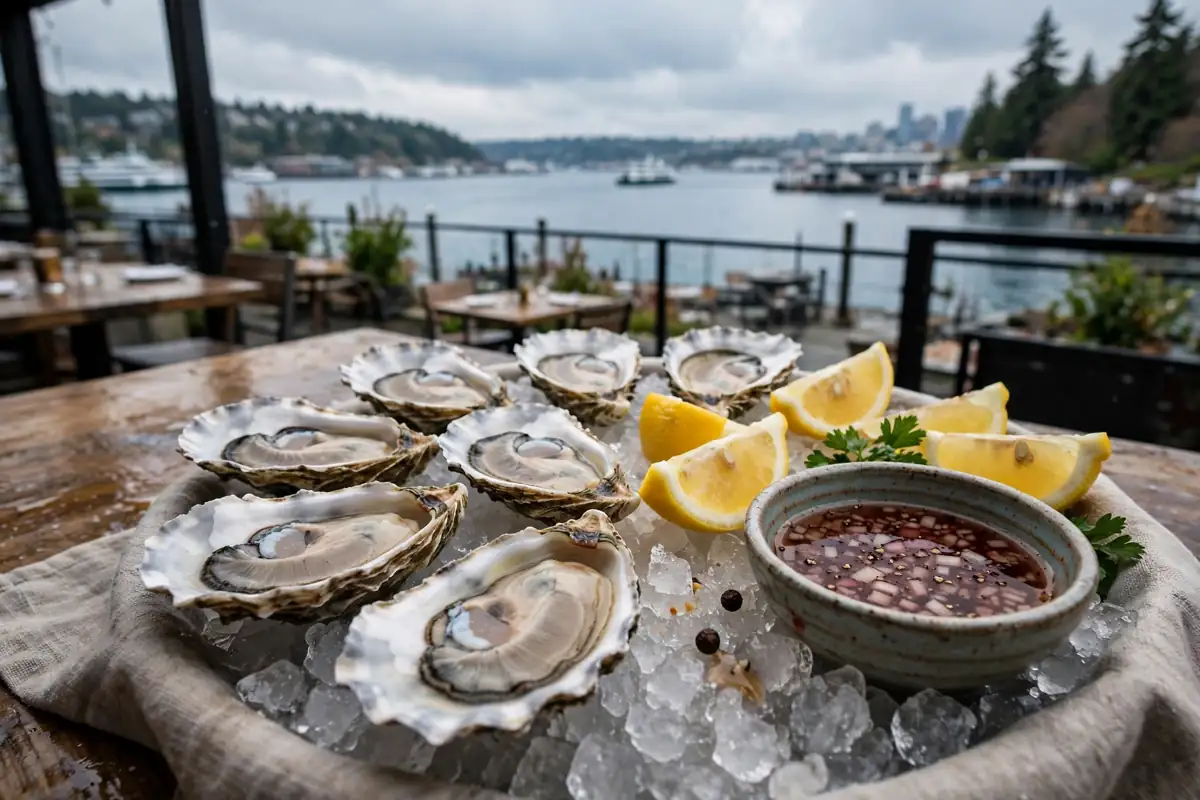
The best oysters in Seattle are served cold, freshly shucked, and on ice. The liquor, the natural juice inside the shell, should be clear and briny, not cloudy or dry. A good oyster bar shucks to order, keeps the oysters cold, and tells you where each variety came from.
Location matters too. Oyster bars near Pike Place Market, Ballard, Capitol Hill, and the waterfront each have their own style. Some are lively and casual, others are quiet and refined. All of them benefit from Seattle’s access to fresh, local shellfish.
1. Raw on the Half Shell: The Classic Test
Start raw. A raw oyster on the half shell, with a squeeze of lemon or a spoonful of mignonette, is the purest way to taste it. Chew it gently rather than swallowing it whole, so you can notice the flavor as it changes from briny to sweet.
Order a mixed selection if the bar offers one. A flight of four to six varieties lets you compare sizes, textures, and flavors side by side. Ask your server which oysters are sweetest, which are saltiest, and which are best for a first-timer. Good servers love these questions.
Raw oyster fans will also enjoy other fresh coastal classics, including the best seafood in Los Angeles and the best seafood in New York City, where freshness is also the first rule.
2. Kumamotos for Beginners
If you are new to oysters, start with Kumamotos. They are small, mild, and sweet, with a melon-like finish that makes them easy to enjoy. Their size is less intimidating, and their flavor is gentle enough for a first taste.
Kumamotos pair well with a light mignonette, a dash of hot sauce, or simply lemon. Do not overload a small oyster with sauce. A little goes a long way, and you want to taste the oyster itself.
3. Pacific Oysters: The Workhorse
Pacific oysters are the most common variety in Washington, and they are excellent when fresh. They are plump, creamy, and versatile, working well raw, grilled, or fried. Their flavor is briny but not overwhelming, making them a good choice for a mixed order.
When you order Pacific oysters, ask about the growing region. Oysters from different bays can taste noticeably different, even when they are the same species. That regional variation is one of the joys of eating oysters in Seattle.
4. Olympia Oysters: A Taste of History
Olympia oysters are native to Puget Sound and were once nearly lost to overharvesting. Today, they are farmed in small numbers and prized for their intense, distinctive flavor. They are tiny, often no bigger than a quarter, but they pack a powerful taste.
Try Olympia oysters if you want a deeper, more complex experience. They are not for everyone, but oyster lovers consider them a special treat. Their history also makes them a meaningful part of a Seattle food story, much like the lobster rolls in Portland tell a story about New England fishing culture.
5. Grilled and Barbecued Oysters
Grilled oysters are a great option if raw oysters feel too adventurous. Grilling adds smokiness and warmth, and toppings like garlic butter, Parmesan, or chipotle can make them rich and satisfying. The oyster should still taste fresh, not overcooked or rubbery.
Order grilled oysters as a shared appetizer, especially at a casual seafood spot. They pair well with bread for soaking up the sauce, and they are a friendly introduction for friends who are unsure about raw oysters. Grilled seafood fans may also enjoy the best barbecue in Los Angeles, where smoke and char play a similar starring role.
6. Fried Oysters and Po’boys
Fried oysters offer crunch and comfort. A good fried oyster has a crisp, golden coating and a juicy interior, without tasting greasy. It works well in a sandwich, on a salad, or as a plate with fries and coleslaw.
Seattle fried oyster sandwiches may differ from Southern versions, but the idea is the same: crispy seafood, fresh bread, and a tangy sauce. Fans of fried seafood will also enjoy the po-boys in New Orleans, where fried oysters and shrimp are sandwich legends.
7. Oyster Happy Hours in Seattle
Seattle oyster happy hours are famous for a reason. Many bars offer oysters for $1 to $2 each during weekday afternoons, making it easy to try several varieties without spending a fortune. Happy hour is also a great time to visit a popular spot without a long wait.
Check the happy hour menu before you go, and arrive early if the bar is small. Some happy hours have a limit per person, while others offer a set flight. Either way, happy hour is the smartest way to explore Seattle oysters on a budget.
8. Oyster Farms and Day Trips
For a deeper experience, consider a day trip to an oyster farm on Hood Canal or the Olympic Peninsula. Some farms offer tours, tastings, and shucking lessons, and you can eat oysters just steps from where they grew. The drive from Seattle is scenic, and the oysters are as fresh as they can possibly be.
If you plan a farm visit, check hours and reservations in advance, and bring a cooler if you want to buy oysters to take home. A farm trip turns a meal into an adventure, much like following the best food trucks in America turns lunch into a road trip.
How to Order the Best Oysters in Seattle Like a Local
First, tell your server your experience level and your flavor preference. Do you want sweet, briny, or mild? Do you prefer small or large oysters? A good server will guide you to the right selection.
Second, start with a small order. Four to six oysters is enough to learn what you like. You can always order more. Third, use sauces sparingly. Lemon, mignonette, and hot sauce should enhance the oyster, not hide it.
Finally, drink something that complements oysters. A crisp white wine, a light lager, or a dry cider all work well. Avoid heavy, sweet drinks that can overpower the delicate flavor of a fresh oyster.
What to Pay and When to Go
Outside happy hour, Seattle oysters usually cost $3 to $5 each, with Olympia oysters at the higher end. A full dozen can cost $36 to $60, depending on the variety and the restaurant. Happy hour prices can cut that cost in half.
Oysters are available year-round in Seattle, thanks to modern farming, but many locals say fall and winter bring the best flavor. Summer is also excellent, especially for grilled oysters at outdoor seafood spots. Weekday afternoons are the calmest time for oyster bars, while Friday and Saturday evenings are the busiest.
For more coastal dining ideas, explore the best seafood restaurants in Boston and the crab cakes in Baltimore, two other cities where seafood defines the local table.
Common Mistakes to Avoid
The biggest mistake is drowning an oyster in sauce. A fresh oyster needs very little help. Another mistake is swallowing it without chewing, which means you miss most of the flavor.
Do not order oysters that have been sitting out. They should be on ice, cold, and freshly shucked. If an oyster smells strongly fishy rather than briny and clean, skip it. Freshness is everything with oysters.
Frequently Asked Questions About the Best Oysters in Seattle
Are Seattle oysters safe to eat raw?
Reputable Seattle oyster bars follow strict handling and sourcing rules, and they serve oysters cold and fresh. If you are pregnant, immunocompromised, or unsure, choose grilled or fried oysters instead, and ask your server for guidance.
What is the best oyster for a beginner?
Kumamotos are a great first oyster because they are small, sweet, and mild. Pacific oysters are also a good, approachable choice.
When is oyster happy hour in Seattle?
Many bars offer happy hour on weekday afternoons, often from 3 to 6 p.m. Check the bar’s website or menu, since times and prices vary.
Conclusion
The best oysters in Seattle are a direct taste of Puget Sound: cold, fresh, and full of character. Start raw, try a few varieties, and let a good server guide you. Visit during happy hour for value, try grilled oysters if you want warmth, and plan a farm trip if you want the full story. Seattle’s oyster scene rewards curiosity, and every shell holds a small, briny reminder of why this city loves the sea. For a final coastal comparison, the shrimp and grits in Charleston and the best sushi in Los Angeles show how differently America celebrates fresh seafood.