San Francisco is one of America’s great dumpling cities, and it is not hard to see why. Generations of Chinese, Japanese, Korean, and other immigrant cooks have built a dumpling culture here that ranges from delicate soup dumplings to crispy potstickers and pillowy steamed bao. If you love dumplings, this city will keep you happily busy for days. This guide to the best dumplings in San Francisco covers the styles worth knowing, the neighborhoods where dumpling shops cluster, and how to eat them the right way.
Whether you are planning a dedicated dumpling crawl or just want one unforgettable meal, the advice below will point you toward the steam, the crisp, and the flavor that make San Francisco special.
The Dumpling Styles You Will Find in San Francisco
Xiao Long Bao: The Famous Soup Dumpling
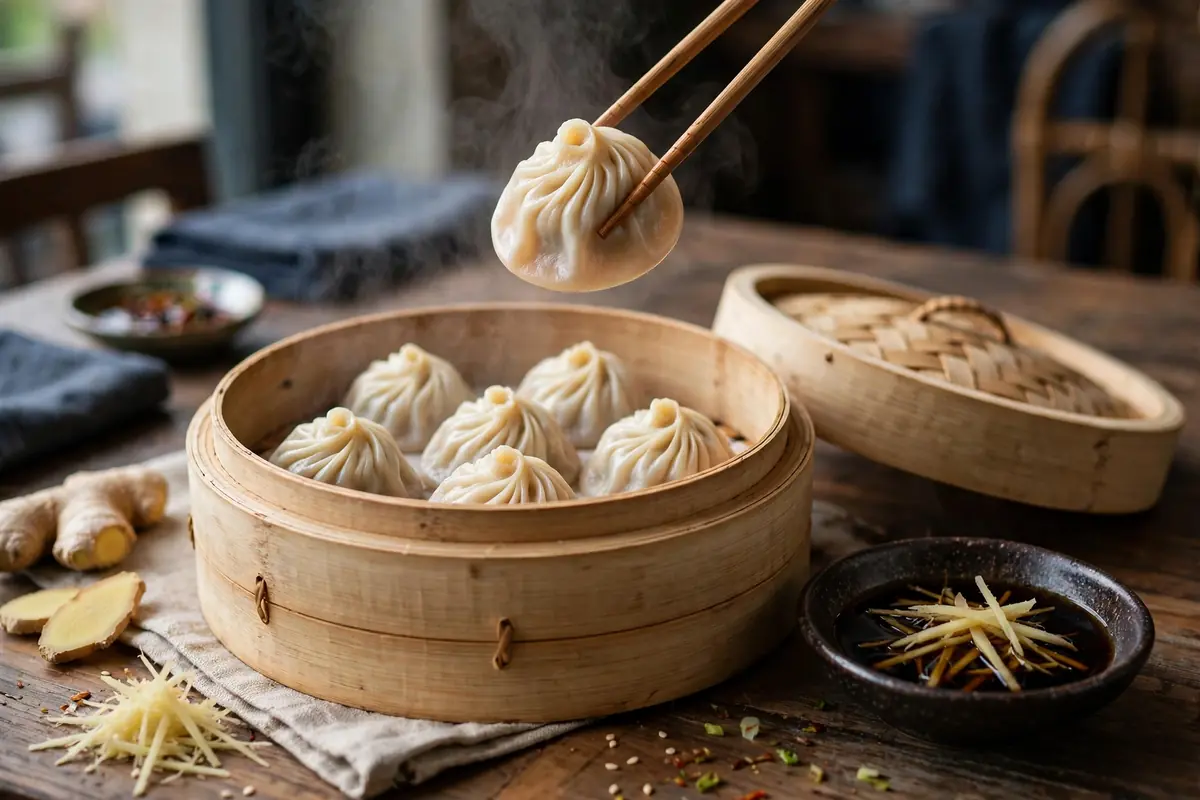
Xiao long bao, or soup dumplings, are the stars of the San Francisco dumpling scene. Each delicate parcel holds pork, crab, or another filling plus a spoonful of rich, gelatin-based broth that turns liquid when steamed. The ritual matters: lift the dumpling gently with chopsticks, place it on your spoon, nibble a small hole, sip the soup, then eat the rest with ginger and black vinegar. Rushing this process is the only real mistake you can make.
Potstickers and Gyoza: Crispy on One Side
Potstickers are pan-fried on one side until golden and crisp, then steamed to finish, giving you the best of both textures in a single bite. Japanese gyoza are similar but usually a little smaller and more delicate. Both are usually filled with pork and cabbage, though chicken, shrimp, and vegetable versions are common. A good potsticker crackles when you bite it, and the bottom should stay crisp even after dipping.
Steamed Dumplings and Bao
Steamed dumplings are softer and lighter than their pan-fried cousins, and they let the filling speak for itself. Bao, the fluffy steamed buns, are a close relative: split one open and you will find braised pork belly, fried chicken, or mushrooms tucked inside. Both are comfort food at its best.
Wontons and Boiled Dumplings
Wontons, served in soup or tossed with chili oil, are thinner-skinned and silkier than other dumplings. Northern-style boiled dumplings, or jiaozi, are heartier, with thicker wrappers and generous fillings. Together, these styles show just how wide the dumpling world really is, and San Francisco serves all of them well.
Where to Eat: San Francisco Dumpling Neighborhood by Neighborhood
Chinatown
Chinatown is the historic heart of San Francisco dumpling culture, and it remains one of the best places to start. The neighborhood’s restaurants range from old-school banquet halls to tiny counters where you can watch dumplings being folded by hand. Prices are often the friendliest in the city, and the sheer density of options makes it easy to compare several styles in one afternoon.
Richmond District
The Richmond District, especially along Clement Street, is a dumpling lover’s paradise. The neighborhood’s Chinese, Russian, and other immigrant communities have created a corridor of restaurants where dumpling quality is taken very seriously. This is where many locals go when they want the real thing without the tourist crowds.
Sunset District
The Sunset District, along Irving Street and the surrounding blocks, offers a similar bounty with a more residential feel. Family-run shops here have loyal followings, and the menus often include regional specialties you will not find downtown. If you have time for one neighborhood detour, the Sunset is a strong choice.
Mission District and SoMa
The Mission and SoMa bring a modern edge to the dumpling scene, with stylish rooms, inventive fillings, and chefs who blend traditions. You might find a dumpling filled with locally sourced pork and California vegetables, or a fusion version that borrows from Mexican or Korean flavors. These neighborhoods are great for a fun, contemporary dumpling night out.
How to Eat Dumplings Like a Pro
First, handle soup dumplings with care. Use chopsticks to lift them gently, and always support them with a spoon. A torn dumpling loses its soup, and the soup is half the point. Second, build your dipping sauce thoughtfully. The classic mix is black vinegar with slivers of fresh ginger, and a touch of chili oil if you like heat. Avoid drowning the dumpling; a light dip preserves the flavor of the filling.
Third, order a variety. A table with one order of soup dumplings, one order of potstickers, and one order of steamed dumplings teaches you more than three orders of the same thing. Fourth, eat them hot. Dumplings cool quickly, and their textures change as they sit. Order in rounds if you are sampling widely, so each batch arrives fresh.
Finally, pace yourself. Dumplings are deceptively filling, and it is easy to over-order in excitement. Start with two orders, see how you feel, and then decide whether to continue. The best dumpling crawls are marathons, not sprints.
What to Expect on Price, Portions, and Waits
Dumplings are one of the best food values in San Francisco. An order of eight to ten dumplings typically costs $10 to $16, and two orders plus a side make a full meal for most people. Even at the most famous soup dumpling spots, a satisfying lunch rarely costs more than $25 per person.
Waits are common at the best-known shops, especially on weekends. The good news is that dumpling restaurants turn tables quickly, since the food arrives fast and people eat efficiently. Arrive early, or visit at off-peak hours, and you will usually be seated within a reasonable time.
For a related San Francisco classic, our guide to the dim sum in San Francisco covers the Cantonese small-plate tradition that overlaps with, but is distinct from, the dumpling world. The bakeries in San Francisco guide is perfect for dessert after a dumpling crawl, while noodle lovers should compare notes with the best ramen in Los Angeles and the best ramen in Chicago guides.
San Francisco Dumpling Tips for Every Kind of Eater
For first-timers: Start with soup dumplings and potstickers. That pair covers the two most beloved textures and gives you a baseline for everything else.
For vegetarians: Vegetable dumplings are widely available, with fillings like mushroom, cabbage, spinach, and edamame. Ask whether the wrapper or the dipping sauce contains meat-based stock, since some kitchens use it even in vegetable dumplings.
For spice lovers: Look for chili oil wontons and spicy dumpling variations. Sichuan-style chili crisp adds a tingling heat that pairs beautifully with pork and mushroom fillings.
For families: Dumpling restaurants are usually casual and welcoming, with shareable orders that let kids try a little of everything. Potstickers are often the biggest hit with younger eaters.
For budget travelers: Dumplings are already affordable, but lunch specials and combination plates can stretch your dollar further. Sharing several orders across a group is the most cost-effective way to taste widely.
Pairing Dumplings With the Rest of the West Coast Table
Dumplings connect naturally to the wider West Coast food scene. The best sushi in Los Angeles guide shows another side of Japanese precision, while the pho in Houston guide covers Vietnamese noodle soup culture. For other filled-dough traditions, the pierogies in Pittsburgh guide offers an Eastern European parallel, and the best tacos in Los Angeles guide shows how another hand-held food became a city icon. Round out the tour with the best gyros in Chicago guide and the best burritos in San Diego guide for more of America’s great wrapped foods.
Frequently Asked Questions About Dumplings in San Francisco
One more tip for the serious dumpling fan: several San Francisco shops sell frozen dumplings to cook at home, and a few offer hands-on dumpling-making classes where you learn to fold, pleat, and steam your own. A class is a wonderful souvenir of a food trip, and it gives you a skill you will use for years. If you fall in love with a particular shop’s dumplings, ask whether they sell a frozen bag before you leave. Cooking them at home later, with the same vinegar and ginger dipping sauce, is the next best thing to being back in the city. It also makes a thoughtful gift for a fellow food lover, since a bag of well-made frozen dumplings is far more useful than another souvenir.
What is the best dumpling to try first in San Francisco?
Xiao long bao, the soup dumpling, is the essential first order. Follow it with potstickers for a crispy contrast.
How much do dumplings cost in San Francisco?
Expect $10 to $16 per order of eight to ten dumplings, with a full meal for one person running $20 to $25.
Do I need a reservation at dumpling restaurants?
Most dumpling spots are walk-in only. Arrive early on weekends or visit at off-peak hours to avoid the longest waits.
Are there good vegetarian dumplings in San Francisco?
Yes. Vegetable dumplings with mushroom, cabbage, and spinach fillings are widely available, though you should confirm the broth and sauce are meat-free.
Final Thoughts: Follow the Steam
The best dumplings in San Francisco are not hidden. They are steaming in Chinatown counters, crisping in Richmond kitchens, and being folded by hand in Sunset dining rooms right now. All you have to do is follow the steam, order widely, and eat them hot.
Start with soup dumplings, add potstickers, and keep going until you find your favorite. In a city this rich in dumpling talent, that favorite is waiting for you.