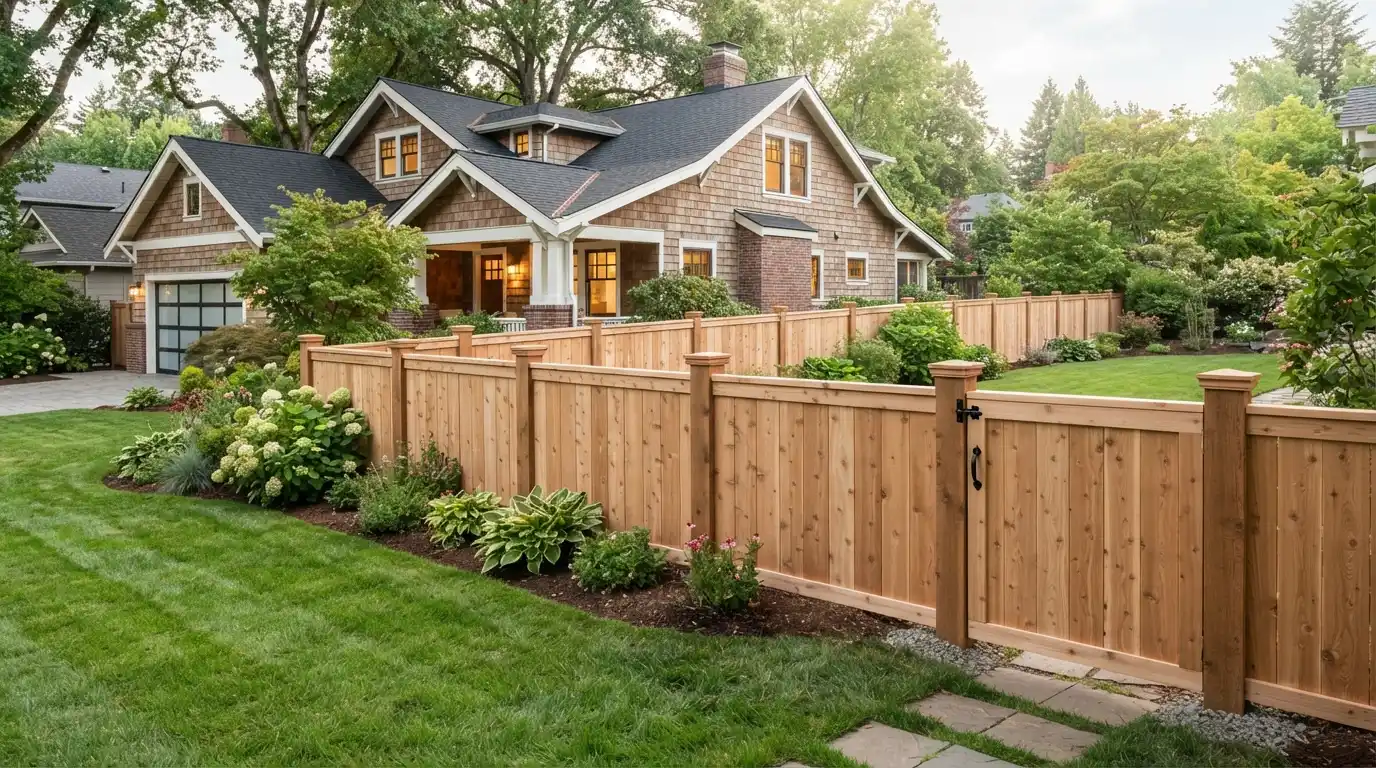
Whether you are installing a fence for the first time, replacing an aging structure, repairing damaged sections, or simply improving your outdoor space, professional planning helps prevent common problems. A successful fencing project should balance appearance, durability, security, maintenance requirements, and the practical needs of the property.
Why Professional Home Fence Services Matter
Fence installation can appear straightforward, but the quality of the finished project depends on careful preparation. Property lines, terrain, post placement, drainage, gate positioning, material selection, and local requirements can all influence the result.
Professional fence services can help homeowners move through these decisions in a structured way. Instead of selecting materials based only on appearance, a properly planned project considers how the fence will be used and how it needs to perform over time.
Homeowners working on broader exterior projects may also benefit from exploring home improvement services and additional home improvement solutions when coordinating fencing with other property upgrades.
Common Reasons to Install a Home Fence
Every property has different requirements, but several common goals influence residential fencing decisions.
Privacy
A privacy fence can create a more secluded outdoor environment by reducing visibility between neighboring properties. This can be especially useful around patios, pools, gardens, and backyard entertaining areas.
Security
A properly designed fence can establish a clear physical boundary around a property. Depending on its height, construction, gate design, and placement, fencing can make unauthorized access more difficult while helping homeowners define areas where children or pets can safely spend time.
Property Boundaries
Clearly defined boundaries can reduce confusion about where a residential property begins and ends. Before construction, homeowners should make sure the proposed fence location is appropriate for the property and does not unintentionally cross a boundary.
Curb Appeal
Fencing is also an important visual element. A thoughtfully selected style can complement the home’s architecture, landscaping, driveway, and other exterior features.
For homeowners planning a larger property transformation, related resources such as property planning considerations can provide additional context when thinking about how exterior improvements fit into the overall value and function of a home.
Popular Residential Fence Materials
Material selection should reflect the property’s appearance, intended use, maintenance expectations, and budget.
Wood Fencing
Wood remains a popular residential fencing material because it offers a traditional appearance and can be adapted to many designs. Privacy panels, picket styles, horizontal boards, and decorative configurations can all create different visual results.
Wood generally requires more ongoing maintenance than some manufactured alternatives. Cleaning, staining, sealing, and timely repairs can help protect the structure from weather-related deterioration.
Vinyl Fencing
Vinyl fencing provides a clean appearance and is often selected by homeowners who want relatively low-maintenance exterior boundaries. It can work well for privacy, decorative, and property-divider applications.
Chain-Link Fencing
Chain-link fencing is commonly considered when visibility, practicality, and functional boundary protection are priorities. It can be useful around yards, utility areas, and other spaces where a solid privacy barrier is not necessary.
Metal Fencing
Metal fencing can provide a more structured and durable appearance. Depending on the design, it can be used for security, decorative boundaries, entrances, and architectural landscaping.
Homeowners comparing fencing materials may also find broader residential design inspiration in resources such as home decor and outdoor design ideas.
Fence Installation: What the Process Usually Involves
A professional fence installation typically begins with planning rather than construction. Understanding the property and intended use first can prevent expensive changes later.
- Project assessment: Review the property, intended fence location, access points, terrain, and desired purpose.
- Fence design: Select the appropriate height, style, material, and configuration.
- Property preparation: Clear obstacles and prepare the installation area where necessary.
- Post placement: Establish accurate post locations and install them securely.
- Panel or section installation: Attach the selected fencing material according to the design.
- Gate installation: Position gates for convenient access while maintaining the desired boundary.
- Final inspection: Check alignment, stability, gates, finishes, and overall appearance.
Fence installation can also be part of a larger exterior improvement plan. Homeowners working on multiple upgrades may want to review home service solutions and home building and property-related services as part of their broader project research.
Fence Repair and Replacement
Not every damaged fence needs complete replacement. Small problems such as loose boards, damaged posts, broken hardware, or isolated sections may be repairable. However, extensive structural deterioration can make replacement more practical.
Common warning signs include leaning posts, unstable sections, rotting wood, damaged panels, sagging gates, missing fasteners, and visible gaps. Addressing smaller problems early can help prevent them from becoming larger structural issues.
When a property already requires several repairs, coordinating them can sometimes make the overall project more efficient. Resources covering home repair considerations can be useful when homeowners are planning multiple maintenance projects at the same time.
How to Choose the Right Fence for Your Newburg Property
The right fence depends on what you want the fence to accomplish. A homeowner primarily seeking privacy may have very different requirements from someone who wants a decorative boundary around a front yard.
Consider Your Main Objective
Start by identifying the primary purpose. Privacy, security, pet containment, appearance, boundary definition, and garden protection may each call for a different design.
Think About Maintenance
Some materials require periodic painting, staining, sealing, cleaning, or other maintenance. Consider how much time and effort you are comfortable investing after installation.
Match the Home’s Exterior
A fence should work visually with the house rather than appearing disconnected from it. Consider siding, roofing, landscaping, driveway materials, exterior colors, and architectural details.
Plan Gates Carefully
Gate placement deserves particular attention. Think about pedestrian access, vehicles, garden equipment, trash collection, pets, and other activities that require movement through the fenced area.
Property owners considering improvements beyond fencing can also explore home improvement planning and financing considerations before beginning a larger exterior renovation.
Preparing for a Fence Installation Project
Good preparation can make the installation process smoother. Start by identifying the exact area that needs fencing and consider how people, pets, vehicles, and outdoor equipment will move around the property.
Remove unnecessary obstacles from the work area where possible. Discuss existing landscaping, trees, drainage concerns, utility locations, and access requirements with the fencing professional before work begins.
It is also useful to establish the desired fence height, material, color, gate configuration, and overall appearance before construction starts. Having these decisions organized makes it easier to compare project estimates and understand what is included.
For homeowners evaluating properties or planning larger improvements, related real estate resources such as residential property considerations, property improvement planning, and real estate investment considerations can provide broader context.
Questions to Ask a Fence Professional
Before choosing a contractor, homeowners should have a clear understanding of the proposed work. Useful questions include:
- What fence materials are available for the project?
- Which material is best suited to the intended use?
- How will the fence line be determined?
- What preparation is required before installation?
- How will gates be positioned?
- What maintenance will the finished fence require?
- What happens if a section becomes damaged later?
- What is included in the project estimate?
- How long is the expected installation process?
- Are there any property-specific requirements that need to be addressed before work begins?
Clear answers to these questions can make it easier to compare proposals based on materials, workmanship, scope, maintenance, and long-term expectations rather than simply choosing the lowest initial price.
Fence Maintenance Tips
Once a fence is installed, regular maintenance can help preserve its appearance and functionality.
- Inspect posts and panels periodically for movement or damage.
- Check gates for sagging, alignment problems, and worn hardware.
- Clean dirt and organic buildup from appropriate fence surfaces.
- Repair small problems before they spread to surrounding sections.
- Keep vegetation from putting unnecessary pressure on the fence.
- Follow the recommended maintenance requirements for the selected material.
Routine maintenance is particularly important when fencing forms part of a larger outdoor living area. Homeowners interested in additional exterior upgrades can also review home improvement ideas and residential improvement solutions.
Creating a Complete Outdoor Property Plan
A fence is only one part of a property’s exterior environment. Landscaping, outdoor seating, storage, lighting, pathways, gates, and other improvements can all influence how the finished space functions.
When planning several projects, homeowners should consider how each improvement interacts with the others. A fence should leave appropriate access for landscaping and maintenance while complementing the home’s overall design.
For broader property planning, resources such as real estate and property considerations and nature-inspired home design can help homeowners think about the relationship between the building, outdoor areas, and surrounding landscape.
Why Local Planning Matters for Home Fence Services in Newburg
Every fencing project has its own combination of property layout, intended use, materials, access requirements, and maintenance expectations. Local conditions can also influence the practical choices available to homeowners.
That is why a professional consultation is useful before committing to a particular fence design. A contractor can assess the proposed installation area, discuss suitable materials, identify potential installation challenges, and help develop a project plan that fits the property.
For homeowners considering a move, renovation, or larger property investment, the site’s broader real estate guidance can also complement research into residential improvements.
Final Thoughts
Professional home fence services in Newburg can help homeowners improve privacy, security, property boundaries, and outdoor appearance while creating a more functional residential environment. The most effective fencing project begins with a clear understanding of the property’s needs and continues through careful material selection, installation, gate planning, and ongoing maintenance.
Whether the goal is a private backyard, a defined property boundary, improved pet containment, or a more polished exterior, taking time to plan the project can help produce a fence that works well with the rest of the property.
For homeowners planning additional improvements, related resources on home services, home building services, and residential storage solutions can help broaden the planning process beyond the fence itself.