South Africa is a destination where dramatic mountains, beautiful coastlines, wildlife-rich national parks, and historic towns come together to create unforgettable travel experiences. From the iconic landscapes surrounding Cape Town to the open savannas of the Kruger region and the charming streets of the Cape Winelands, the country offers something for nature lovers, history enthusiasts, families, and adventurous travelers.
This guide highlights interesting places to visit in South Africa, including scenic parks, historic towns, coastal attractions, and practical travel tips to help you plan a rewarding itinerary.
1. Cape Town: Mountain Views, Coastlines, and Cultural Attractions
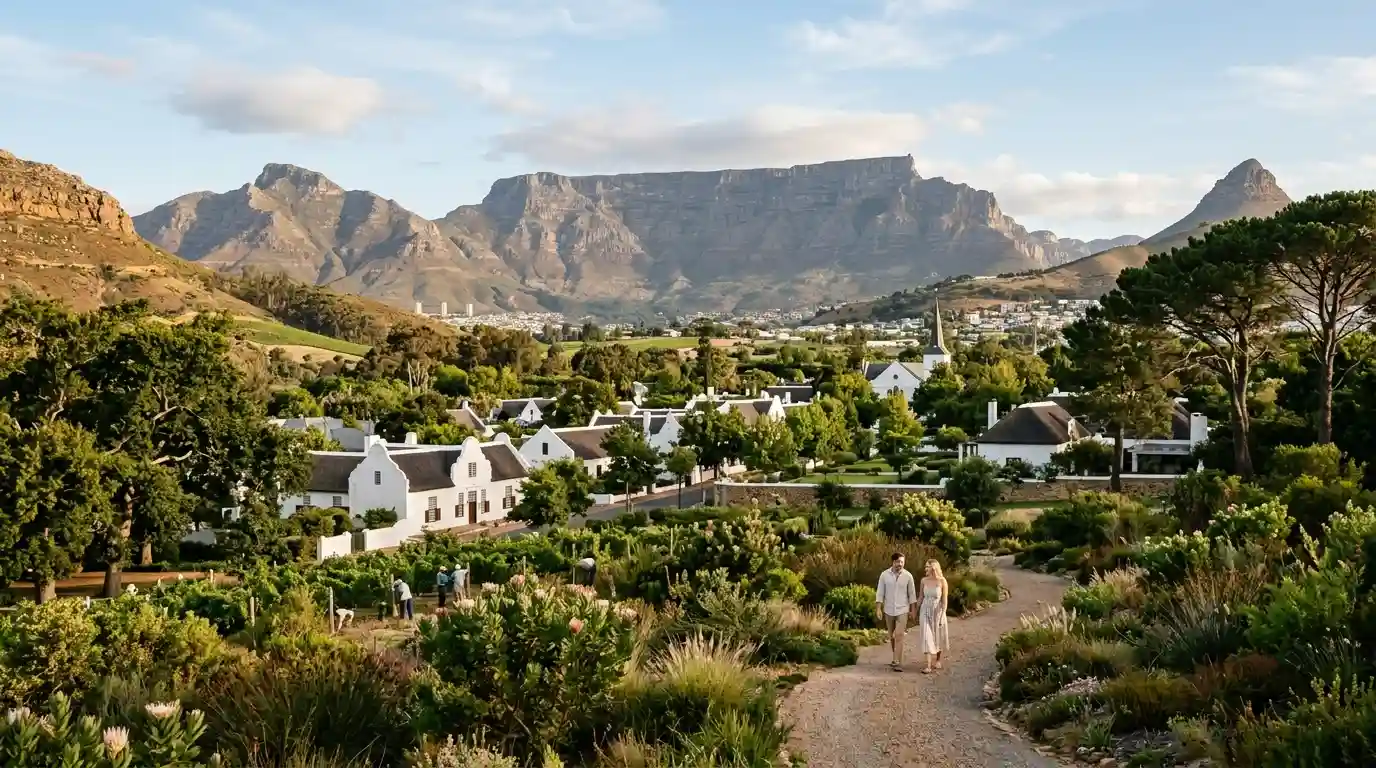
Cape Town is one of South Africa’s most recognizable destinations, known for its striking mountain backdrop, waterfront attractions, beaches, and historic neighborhoods. Table Mountain provides a dramatic setting for the city, while the surrounding coastline offers scenic viewpoints and opportunities for outdoor exploration.
Visitors can explore the V&A Waterfront, walk through the historic Company’s Garden, discover the colorful streets of Bo-Kaap, or take a trip to the Cape Peninsula. Nature lovers can enjoy hiking routes, coastal walks, and viewpoints overlooking the Atlantic Ocean.
For a more detailed city guide, explore the top places to visit in Cape Town. Travelers who enjoy destinations with memorable urban attractions can also consider popular places to visit in Barcelona when planning future international trips.
2. Kruger National Park: A Classic Wildlife Experience
Kruger National Park is one of the country’s best-known wildlife destinations. Its extensive landscapes include woodland, open grassland, rivers, and seasonal water sources that support a wide variety of animals and birds.
Visitors often come to look for elephants, lions, leopards, buffalo, and rhinoceroses, although wildlife sightings are never guaranteed. Guided game drives can help travelers learn about animal behavior, habitats, and conservation. Self-drive visitors should follow park regulations, remain inside their vehicles where required, and maintain a safe distance from wildlife.
Accommodation options range from camps and lodges to nearby private reserves. Booking early is particularly useful during popular travel periods. Travelers should also check park access, road conditions, seasonal weather, and activity availability before departure.
3. The Garden Route: Coastal Scenery and Outdoor Adventures
The Garden Route is a scenic stretch of South Africa’s southern coast associated with forested landscapes, beaches, lagoons, cliffs, and small coastal communities. It is well suited to road trips because visitors can combine nature reserves, coastal viewpoints, outdoor activities, and relaxed town stays.
Knysna is known for its lagoon and waterfront, while Wilderness offers beaches, river scenery, and nature-based activities. Tsitsikamma is popular for dramatic coastal landscapes, forest walks, and the Storms River area. Depending on the route, travelers can also explore Plettenberg Bay and nearby protected natural areas.
Allow enough time to enjoy the journey instead of rushing between stops. Hiking, kayaking, and other outdoor activities depend on local conditions and operator availability, so check arrangements in advance.
4. Stellenbosch: Historic Streets and Cape Winelands Scenery
Stellenbosch combines Cape Dutch architecture, tree-lined streets, galleries, restaurants, and surrounding vineyards. The historic town center is ideal for a leisurely walk, with heritage buildings and public spaces that reflect the region’s long settlement history.
The surrounding Cape Winelands feature mountain scenery, cultivated valleys, and scenic country roads. Visitors can enjoy local cuisine, explore historic estates, or book wine-tasting experiences where available. Travelers who do not drink alcohol can still appreciate the architecture, food, gardens, and landscape.
Nearby Franschhoek is another appealing stop for its village atmosphere, culinary scene, and mountain setting. A visit to Stellenbosch and the surrounding towns works particularly well as a day trip or a short extension to a Cape Town stay.
5. Johannesburg: Museums, History, and Urban Culture
Johannesburg offers an important introduction to South Africa’s modern history, art, and urban culture. The Apartheid Museum provides historical context about apartheid and the country’s transition toward democracy. Constitution Hill is another significant heritage destination associated with South Africa’s legal and political history.
Travelers interested in the struggle for freedom can consider a guided visit to Soweto, where important landmarks and community history provide a deeper perspective on the country’s past. Local museums, galleries, markets, and food experiences also reveal the city’s diverse character.
Because Johannesburg is a large metropolitan area, plan transport between attractions and check opening hours before visiting. Use reputable transport providers, follow local safety guidance, and ask accommodation staff about practical neighborhood advice.
6. Robben Island: A Powerful Historical Landmark
Robben Island, located off the coast of Cape Town, is one of South Africa’s most significant historical sites. It is widely associated with the imprisonment of Nelson Mandela and other political prisoners during apartheid.
Guided tours help visitors understand the island’s prison history, the wider struggle for democracy, and the experiences of people who were detained there. The visit also offers views across the water toward Cape Town and Table Mountain.
Boat departures and tours depend on operating schedules and weather conditions. Reserve tickets in advance when possible, and confirm departure arrangements before traveling to the waterfront.
7. Addo Elephant National Park: Wildlife in the Eastern Cape
Addo Elephant National Park is a strong option for travelers exploring the Eastern Cape. The park is known for its elephant population and protects a range of habitats that support different wildlife species and birdlife.
Visitors can explore designated roads, join guided activities where offered, and enjoy the changing scenery across the protected landscape. Addo can also fit into a broader road trip that includes coastal towns and other Eastern Cape attractions.
As with any wildlife destination, sightings depend on animal movements and conditions. Keep a respectful distance, obey park rules, and avoid feeding or approaching animals.
8. Drakensberg Mountains: Dramatic Landscapes and Hiking Trails
The Drakensberg range is a highlight for travelers who prefer mountains, fresh air, and outdoor adventure. Its landscapes include high peaks, deep valleys, waterfalls, grasslands, and rock formations. Some areas also contain important examples of San rock art.
Popular activities include hiking, photography, birdwatching, and scenic drives. Trails range from relatively easy walks to challenging mountain routes, so choose an outing that matches your fitness level and experience.
Weather can change quickly in mountainous areas. Check forecasts, trail conditions, access restrictions, and local guidance before setting out. Carry suitable footwear, water, warm layers, and navigation equipment for longer hikes.
9. Blyde River Canyon: One of South Africa’s Great Scenic Drives
Blyde River Canyon in Mpumalanga is known for its expansive views, steep cliffs, green slopes, and striking geological formations. It is a rewarding stop for travelers who enjoy landscapes and photography.
The Panorama Route connects several viewpoints and natural attractions, including God’s Window, Bourke’s Luck Potholes, and the Three Rondavels viewpoint. Each stop offers a different perspective on the region’s terrain.
Driving between viewpoints makes it possible to explore at a comfortable pace, but allow additional time for walks and photography. Mist, rain, and road conditions can affect visibility and travel times, so avoid rushing the route.
10. Hermanus: Coastal Walks and Seasonal Whale Watching
Hermanus is a coastal town known for ocean views, walking paths, beaches, and seasonal whale-watching opportunities. During the southern right whale season, whales may be visible from shore, although sightings depend on the season and natural conditions.
The town’s coastal path is suitable for leisurely walks and offers views of rocky shorelines, ocean waves, and nearby cliffs. Visitors can also explore local markets, enjoy seafood, or use Hermanus as a base for discovering the surrounding Overberg region.
Travelers interested in other scenic coastal destinations can find additional inspiration in this guide to places to visit along the South Carolina coast.
11. Cape Agulhas: Where Two Oceans Meet in South Africa’s Southernmost Region
Cape Agulhas is the southernmost point of the African continent. Its rugged coastline, historic lighthouse, and maritime heritage make it an interesting addition to a southern coastal itinerary.
The surrounding area offers quiet coastal scenery, opportunities for photography, and a different atmosphere from the busier urban destinations. Visitors can learn about the region’s maritime history and enjoy views of the meeting point of the Atlantic and Indian Ocean waters as conventionally described for this area.
Because the location is exposed to coastal weather, take care around rocky shorelines and follow safety notices. It is best explored with enough time for the drive and nearby stops.
12. Kimberley: Diamond Mining History and Heritage
Kimberley in the Northern Cape is closely associated with South Africa’s diamond-mining history. The Big Hole and related heritage attractions help visitors understand how diamond discoveries transformed the town and influenced regional development.
Historic exhibits, preserved buildings, and museum displays provide context about mining, migration, labor, and the growth of the settlement. A visit can be particularly rewarding for travelers who want to balance nature-focused stops with industrial and social history.
Check current museum access and tour arrangements before visiting, as individual attractions may have different schedules.
13. Graaff-Reinet: Karoo Architecture and Wide-Open Landscapes
Graaff-Reinet is one of the Eastern Cape’s most distinctive historic towns. Its older buildings, churches, museums, and quiet streets offer a glimpse into the architectural character of the Karoo region.
The nearby Valley of Desolation is a major scenic attraction, with towering dolerite columns and panoramic views across the surrounding plains. It is especially appealing to photographers and travelers who appreciate open landscapes and geological formations.
The combination of heritage streets and nearby natural scenery makes Graaff-Reinet a worthwhile stop on a longer road trip through the interior of South Africa.
14. Pilgrim’s Rest: A Historic Gold-Rush Village
Pilgrim’s Rest in Mpumalanga preserves the character of a former gold-rush settlement. Historic buildings and heritage displays help tell the story of gold mining and the people who shaped the region during that period.
Visitors can stroll through the village, learn about local mining history, and combine the stop with nearby scenic drives and attractions in Mpumalanga. Its historic atmosphere provides a useful contrast to South Africa’s modern cities and large wildlife parks.
Allow time to explore at a relaxed pace, and check which heritage sites and facilities are open during your visit.
15. Durban: Beaches, Gardens, and Cultural Diversity
Durban offers a warm coastal atmosphere, a lively beachfront, botanical gardens, and a diverse food scene influenced by several cultural traditions. The Golden Mile is popular for seaside walks and beach activities, while the Durban Botanic Gardens provide a quieter setting for plant lovers.
Visitors can also explore local markets, museums, and neighborhoods to learn more about the city’s history and culture. Durban works well as a base for combining urban experiences with coastal excursions in KwaZulu-Natal.
Check beach conditions and swimming advisories before entering the water. When planning day trips, account for traffic and distances between attractions.
16. iSimangaliso Wetland Park: Wetlands, Beaches, and Biodiversity
iSimangaliso Wetland Park in KwaZulu-Natal protects a remarkable mix of coastal and inland ecosystems. Depending on the area visited, the landscape can include estuaries, wetlands, forests, dunes, beaches, and wildlife habitats.
Nature-based activities may include guided walks, boat trips, birdwatching, and wildlife viewing. The park is particularly appealing to travelers interested in biodiversity and varied natural scenery rather than a single type of landscape.
Different sections of the protected area have their own access points and activities. Research the specific section you intend to visit, follow conservation rules, and check seasonal conditions before making plans.
17. Clarens: A Relaxed Village Near the Maloti Mountains
Clarens in the Free State is known for its mountain setting, art galleries, cafés, and small-town atmosphere. The surrounding sandstone landscapes and outdoor recreation opportunities make it attractive to travelers seeking a slower pace.
Visitors can explore the village center, browse local crafts, enjoy mountain views, or use the area as a base for nearby outdoor activities. Golden Gate Highlands National Park, with its distinctive sandstone formations and grassland scenery, can be included in a wider regional itinerary.
Clarens is a useful option for travelers who want to experience South Africa beyond its major cities and famous coastal routes.
How to Plan a South Africa Trip
Choose destinations by region
South Africa is a large country, so trying to cover every highlight in a short visit can mean spending too much time on the road. For a first trip, consider combining Cape Town and the Cape Peninsula with the Garden Route, or pair Johannesburg with a wildlife-focused visit to Kruger National Park. The Drakensberg, Durban, and iSimangaliso work well for a different regional itinerary.
Consider the seasons
South Africa has varied regional climates. Cape Town and the Western Cape generally have wet winters and drier summers, while much of the country’s summer rainfall region experiences a different seasonal pattern. Wildlife viewing, hiking, beach visits, and whale watching may each be better suited to different times of year.
Book popular experiences early
Reserve sought-after accommodation, guided safaris, and limited-capacity tours ahead of time, particularly during school holidays and busy travel periods. Confirm cancellation terms and check whether transport is included.
Plan transportation carefully
A rental car can provide flexibility for scenic routes and smaller towns, while guided tours can simplify visits to wildlife reserves and major attractions. Compare travel times realistically, avoid driving when tired, and confirm road conditions before traveling through remote areas.
Respect local communities and natural environments
Follow park rules, support responsible tourism operators, respect cultural and historical sites, and avoid disturbing wildlife. Carry reusable water bottles where practical, dispose of waste properly, and follow local guidance when exploring unfamiliar neighborhoods or outdoor areas.
More Travel Inspiration
If you enjoy combining scenic landscapes, cultural attractions, and historic destinations, these additional WordTrailZone travel guides may help you plan future journeys:
- Best places to visit in Aswan, Egypt for historic landmarks and Nile scenery.
- Islamic heritage places to visit in Saudi Arabia for cultural and historical exploration.
- Places to visit in northern Mauritius for tropical coastal scenery.
- The best places to visit in South America for a wider range of landscapes and cultures.
- The best place to visit in Costa Rica for nature-focused travel inspiration.
- Best places to visit in Hunza Valley for mountain scenery and traditional settlements.
- The best places to visit in Sri Lanka for beaches, heritage, and nature.
- The best place to visit in Malaysia for cultural and tropical destinations.
- This South Africa travel guide brings together scenic parks, coastal destinations, and historic towns.
- Places to visit in Montana during winter for mountain landscapes and seasonal outdoor travel.
- Best places to visit in the Black Forest for forests, villages, and European scenery.
- Places to visit in Switzerland during winter for alpine landscapes and mountain towns.
- Places to visit in Normandy and Brittany for coastal scenery and historic settlements.
- Places to visit in Prince Edward County for scenic views and historic sites.
- Explore this guide again when planning a South Africa itinerary around wildlife, heritage, and natural scenery.
Final Thoughts
South Africa offers a remarkable variety of travel experiences, from the wildlife-rich landscapes of Kruger National Park to the mountain scenery of the Drakensberg, the coastal beauty of the Garden Route, and the historic streets of towns such as Stellenbosch, Graaff-Reinet, and Pilgrim’s Rest.
The most rewarding itinerary balances different experiences without trying to cover too much ground. Choose a few regions, allow time to appreciate each destination, and plan around your interests, available travel days, and seasonal conditions. With thoughtful preparation, South Africa can deliver a memorable combination of scenic parks, historic towns, wildlife, and cultural discovery.