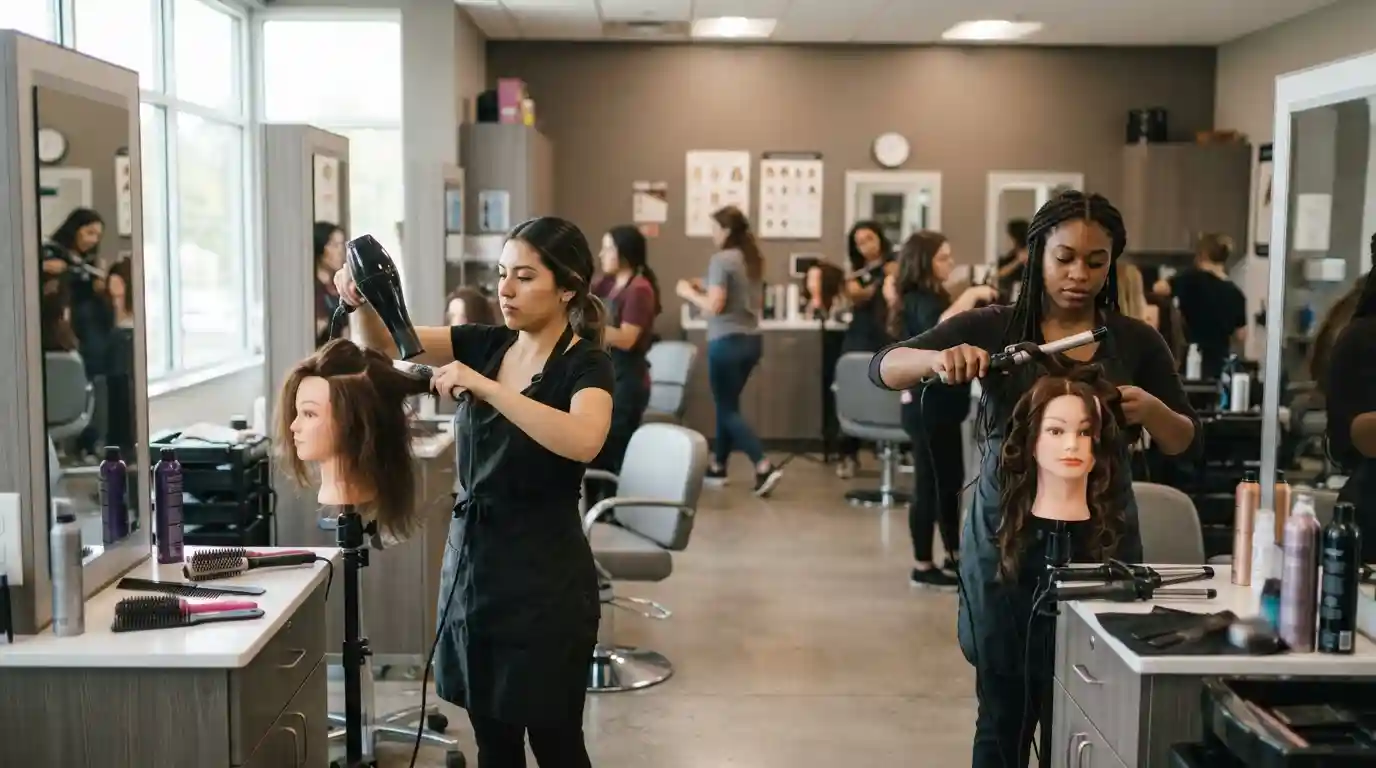
Choosing a beauty school is about more than finding a place to learn hairstyling or skincare. You want an education that helps you build technical confidence, understand professional standards, develop your creative abilities, and prepare for the expectations of real clients. For readers exploring broader education and learning experiences, the same principle applies: the best education connects knowledge with practical application.
This guide explores what prospective students should know about Empire Beauty School Hooksett, including its programs, training environment, scheduling options, admissions process, financial considerations, and potential career paths.
What Is Empire Beauty School Hooksett?
Empire Beauty School Hooksett is a beauty education campus in Hooksett, New Hampshire, positioned between Manchester and Concord. The campus is designed around professional beauty education and provides training opportunities for people interested in different areas of the beauty industry.
The school offers programs and courses covering areas such as cosmetology, esthetics, barbering, makeup, and lash extensions. This range makes it possible for students to choose an educational path that matches their interests rather than approaching beauty as a single career category.
Students interested in the broader world of beauty and skincare may find esthetics particularly appealing, while people who enjoy cutting, coloring, and styling hair may prefer cosmetology. Those interested in grooming and men’s hair services may consider barbering, while creative students can explore specialized makeup or lash training.
Why Consider a Beauty School in Hooksett?
Location can make a significant difference when choosing a school. Hooksett provides convenient access to both Manchester and Concord, making the campus practical for students who live in surrounding New Hampshire communities.
Another advantage is the opportunity to learn in a dedicated beauty-training environment. Instead of treating beauty skills as a casual hobby, professional education gives students a structured way to develop techniques, understand client expectations, and practice their craft.
The beauty industry also offers considerable variety. A person who begins with an interest in hair may eventually explore salon management, education, specialized styling, makeup, or other areas. Students who enjoy combining creativity with practical services may therefore find beauty education an appealing career direction.
For anyone comparing beauty-related industries, it can also help to explore subjects such as professional beauty services, fashion and personal style, and the relationship between appearance, presentation, and professional confidence.
Programs Available at Empire Beauty School Hooksett
One of the most important decisions prospective students make is selecting the right program. Empire Beauty School’s Hooksett campus provides several routes into the beauty field.
Cosmetology
Cosmetology is a broad option for students who want to develop skills across multiple areas of hair and beauty services. Training can involve haircutting, styling, coloring, sanitation, client communication, and other professional techniques.
Because cosmetology covers a wide range of services, it can provide a useful foundation for someone who is still deciding which area of beauty they eventually want to specialize in.
Esthetics
Esthetics focuses on skincare and beauty treatments. Students interested in healthy skin, facial services, skincare routines, and professional client care may find this route particularly attractive.
The growing interest in skincare also connects with broader beauty topics such as professional beauty practices and the business considerations that can accompany a career in personal-care services.
Barbering
Barbering provides specialized training for students interested in haircuts, grooming, styling, and related services. It can be a strong choice for people who prefer a focused approach to hair and grooming rather than a broader cosmetology curriculum.
Students considering careers connected to grooming can also explore the wider relationship between classic style and personal presentation.
Makeup
Makeup training can appeal to students who enjoy color, creativity, facial aesthetics, and visual transformation. Specialized education can help turn an existing interest in makeup into a more structured professional skill set.
Those exploring beauty trends may also enjoy reading about modern fashion aesthetics and how different style movements influence personal presentation.
Lash Extensions
Lash extension training offers another specialized route into the beauty sector. Rather than committing immediately to a broad program, students interested in this particular service can develop focused technical skills.
Specialized beauty services can complement other areas of professional beauty work, particularly for people who eventually want to diversify their service offerings.
Hands-On Training Matters
Beauty is a practical industry. Knowing terminology and understanding theory are important, but professional confidence develops through repeated practice.
A strong beauty education should give students opportunities to work through real techniques, improve precision, understand client needs, and become comfortable with professional tools. This hands-on component can help bridge the gap between studying a technique and actually performing it.
Students should therefore consider more than the name of a school when comparing programs. Look at the training environment, curriculum, practical opportunities, schedule, program requirements, and the type of career preparation available.
The importance of practical education is not unique to beauty. Similar principles can be seen in career-focused education and other professional training environments where applied skills are essential.
Flexible Scheduling Options
Not every student can commit to the same schedule. Some people are ready to study full-time, while others need to balance education with work, family responsibilities, or other commitments.
Empire Beauty Schools provides different scheduling structures depending on the program and campus. Options can include full-time, part-time, and evening study, although availability varies by program.
Before applying, prospective students should confirm the schedule for their specific program and determine whether the required hours fit realistically into their weekly routine.
How Long Does Beauty School Take?
The time required depends on the program and the schedule selected. Some programs can be completed more quickly through full-time study, while evening or part-time options may extend the overall timeline.
For example, the school’s admissions information describes 750-hour programs as potentially taking around six months on a full-time schedule, while an evening schedule may take considerably longer. Programs with higher hour requirements naturally require more time.
Rather than choosing a program solely because it appears faster, prospective students should consider which qualification best matches their long-term goals.
What Does Empire Beauty School Hooksett Cost?
Cost is an important part of any education decision. Tuition is only one part of the overall investment because students may also need supplies, books, equipment, technology, enrollment fees, and other program-related materials.
Current program costs can vary according to the course selected. The school’s published admissions information lists different costs for cosmetology, esthetics, esthetics premium options, makeup, lash extensions, and barbering.
Because tuition and program costs can change, students should confirm the latest figures directly with the admissions team before making a financial decision.
It is also worth considering the long-term value of training. The goal should not simply be to find the cheapest program. Instead, compare the curriculum, practical training, scheduling, career preparation, available financial assistance, and the skills you expect to gain.
Financial Aid and Funding Options
Paying for beauty school can feel challenging, but eligible students may have access to different funding resources. Options can include federal financial aid, grants, scholarships, payment arrangements, and other assistance programs.
Students should investigate their eligibility early rather than waiting until just before enrollment. Understanding the difference between grants, loans, scholarships, and payment plans can also make it easier to create a realistic education budget.
If you are interested in how financial planning affects professional education and career decisions, related topics such as financing options can provide broader context about evaluating education and business investments.
What Is the Admissions Process?
Applying to beauty school is generally straightforward, but prospective students should prepare the required documentation in advance.
The admissions process can include completing an enrollment form, providing educational documentation, meeting with an admissions representative, and supplying identification documents. Specific requirements may depend on the student’s circumstances and the program selected.
A conversation with admissions can also help clarify questions about tuition, scheduling, program length, financial aid, and career goals before enrollment.
Is Empire Beauty School Accredited?
Accreditation is an important consideration when comparing career schools. Empire Beauty Schools states that its schools are accredited by the National Accrediting Commission of Career Arts & Sciences, commonly known as NACCAS.
Students should still review the current accreditation and licensing information relevant to the specific program and campus they plan to attend. State requirements can also matter because beauty professionals may need to satisfy licensing requirements before practicing professionally.
What Can You Do After Beauty School?
A beauty education can lead to several different career directions. Your eventual path will depend on your program, licensing requirements, experience, interests, and willingness to continue developing your skills.
Potential career directions can include:
- Cosmetologist
- Hairstylist
- Barber
- Esthetician
- Makeup professional
- Lash extension specialist
- Salon professional
- Beauty business owner
- Beauty educator after meeting applicable requirements
Some professionals eventually combine several services. For example, a cosmetologist may develop additional expertise in makeup, skincare, or specialized beauty services. Others may eventually transition toward management or entrepreneurship.
Building a Career Beyond Technical Skills
Technical ability is only one part of becoming successful in the beauty industry. Professional communication, punctuality, sanitation, customer service, organization, and business awareness can be equally valuable.
Clients often return to professionals they trust. That means a successful beauty career can depend on the complete customer experience, not just the final hairstyle, haircut, treatment, or makeup application.
Personal presentation can also matter. Exploring subjects such as fashion history, fashion trends, and eyewear and styling can help aspiring professionals understand how beauty fits into the larger personal-style landscape.
How to Decide if Hooksett Is Right for You
Before enrolling, ask yourself a few practical questions.
- Which beauty service interests you most?
- Do you want a broad cosmetology education or a specialized program?
- Can you manage the required weekly schedule?
- What is your realistic education budget?
- Do you qualify for financial assistance?
- What licensing requirements will apply after graduation?
- What type of beauty career do you ultimately want?
Answering these questions can prevent you from choosing a program simply because it sounds appealing. The best option is the one that fits your goals, circumstances, learning preferences, and desired career direction.
Beauty Education and the Future of Personal Care
The beauty industry continues to evolve as consumers become more interested in personalized services, skincare, grooming, styling, and appearance. Professionals therefore need to remain adaptable and willing to learn new techniques throughout their careers.
That makes foundational education particularly valuable. A strong starting point can give students the technical knowledge and professional habits they need to continue developing after school.
For readers interested in other areas where education, creativity, and professional services overlap, related topics such as modern learning environments, North American education opportunities, and specialized educational careers offer additional perspectives.
Final Thoughts
Empire Beauty School Hooksett can be an appealing option for people who want structured, career-focused training in the beauty industry. With options spanning cosmetology, esthetics, barbering, makeup, and lash extensions, prospective students can explore different routes based on their interests and professional goals.
The smartest approach is to research the program carefully, understand the required hours and schedule, review current costs, investigate financial assistance, and speak with admissions before enrolling. A beauty career can offer creativity, client interaction, professional independence, and opportunities for continued growth—but building that career starts with choosing training that genuinely fits your ambitions.
If your goal is to turn an interest in beauty into a professional skill set, the right education can be the first step toward a rewarding future.