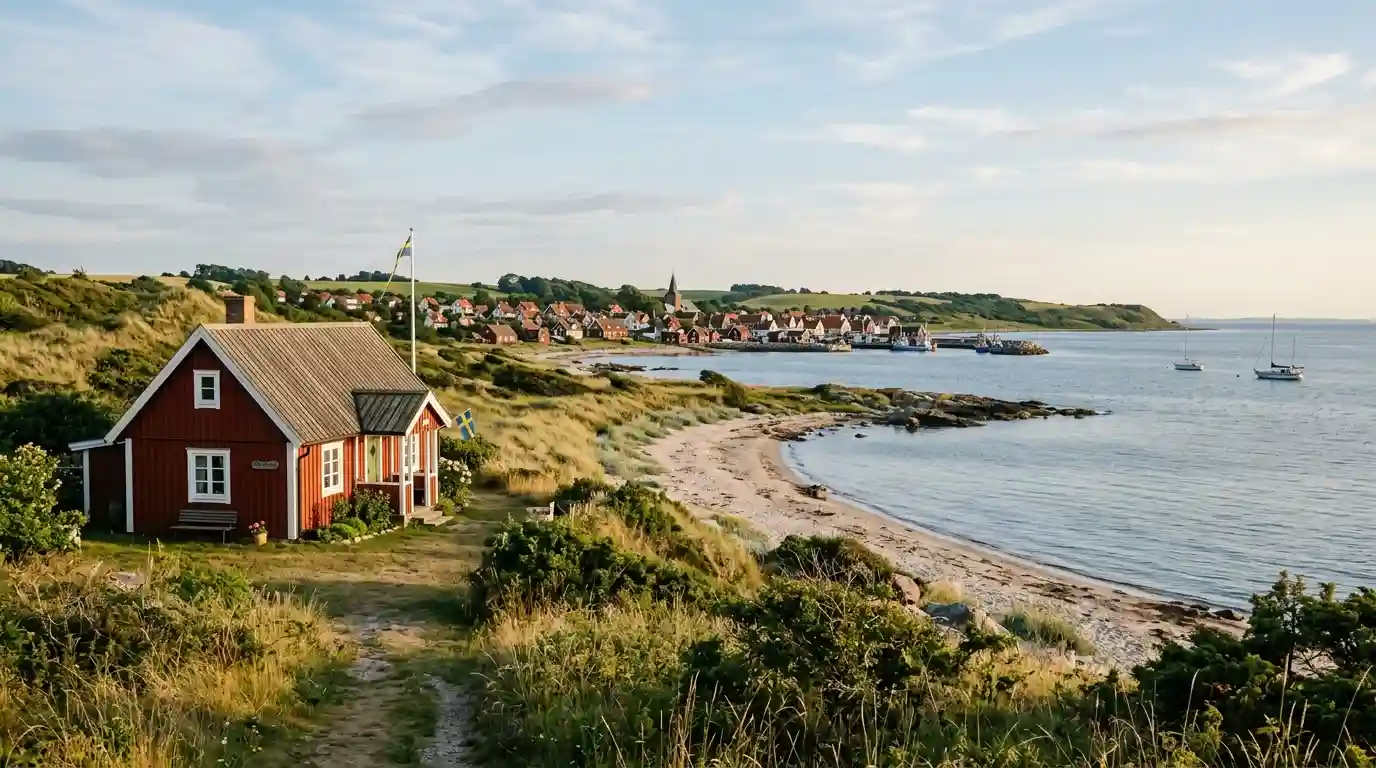
South Sweden is an excellent destination for travelers who want to experience historic towns, beautiful beaches, peaceful countryside, medieval architecture, and charming coastal villages in one trip. The region combines lively cities with open landscapes, making it suitable for road trips, family holidays, outdoor adventures, and relaxed cultural breaks.
From Malmö’s contemporary architecture to Lund’s historic streets, Ystad’s half-timbered houses, and the sandy beaches of Österlen, southern Sweden offers a varied travel experience without requiring visitors to cover enormous distances every day. The region also includes islands, nature reserves, castles, and picturesque fishing communities.
This guide covers the best places to visit in South Sweden, what makes each destination special, when to go, and how to plan an enjoyable itinerary.
1. Malmö: Modern Architecture, Culture, and Coastal Life
Malmö is one of the best starting points for exploring southern Sweden. Located in Skåne near the Danish border, the city combines contemporary design, historic neighborhoods, waterfront promenades, parks, museums, and a diverse food scene.
Things to do in Malmö:
- Admire the distinctive architecture of Turning Torso in the Västra Hamnen district.
- Explore Malmöhus Castle and its museum collections.
- Walk through Lilla Torg, a historic square surrounded by restaurants and traditional buildings.
- Relax in Kungsparken and Slottsparken.
- Visit Ribersborg Beach for coastal walks and views across the Öresund.
- Discover local food, independent cafés, and contemporary art galleries.
Malmö is also a convenient base for day trips to Lund, Helsingborg, and other destinations across Skåne. Travelers arriving through Copenhagen can reach Malmö by train across the Öresund Bridge, making it a practical first stop on a Scandinavian holiday.
Best for: First-time visitors, architecture enthusiasts, food lovers, and short city breaks.
2. Lund: Medieval Heritage and University Charm
Lund is a historic university city with an inviting atmosphere, cobbled streets, leafy squares, and a strong cultural identity. It is smaller and generally more relaxed than Malmö, making it ideal for travelers who enjoy exploring on foot.
Lund Cathedral is the city’s most recognizable landmark. Its Romanesque architecture, historic interior, and astronomical clock make it an important stop for anyone interested in Swedish history. The open-air museum Kulturen provides another opportunity to learn about traditional buildings, everyday life, and regional heritage.
Visitors can also explore Lund University, browse independent shops, enjoy Swedish pastries in local cafés, and stroll through the Botanical Garden. The compact city center makes it possible to experience several attractions in a single day.
Lund works especially well as a day trip from Malmö, although staying overnight allows more time to enjoy its restaurants and quieter evening atmosphere.
Best for: History, architecture, museums, university culture, and relaxed sightseeing.
3. Ystad: Picturesque Streets and Maritime Heritage
Ystad is a charming coastal town in southeastern Skåne known for its historic streets, traditional architecture, harbor, and connection to the popular Wallander crime novels.
The town’s half-timbered houses and narrow lanes give its historic center a distinctive character. Visitors can wander between small shops, cafés, galleries, and the medieval streets surrounding St. Mary’s Church. Ystad Abbey is another worthwhile stop for travelers interested in religious and architectural history.
The harbor and nearby coastline provide opportunities for peaceful walks, while the surrounding countryside makes Ystad a useful base for exploring the beaches and villages of Österlen.
Ystad is particularly appealing to visitors who prefer smaller destinations over busy metropolitan areas. Its manageable size also makes it suitable for a leisurely day trip or a one-night stay.
Best for: Historic streets, photography, coastal scenery, and literary tourism.
4. Österlen: Beaches, Apple Orchards, and Countryside
Österlen is a scenic area in southeastern Skåne celebrated for its sandy beaches, agricultural landscapes, fishing villages, art studios, and relaxed rural atmosphere. It is one of the most rewarding places to explore if you want to experience the countryside beyond Sweden’s larger cities.
During warmer months, visitors can spend time along the coast, browse local farm shops, visit galleries, and stop at cafés serving seasonal ingredients. The landscape is especially attractive in spring, when flowering orchards and bright agricultural fields add color to the countryside.
Kivik is known for its apple-growing traditions and local cider culture. Simrishamn, meanwhile, offers a harbor, colorful streets, and access to the surrounding coastal villages.
Österlen is best explored at a relaxed pace. Renting a car can make it easier to reach smaller villages and rural attractions, although public transport is available for some routes. Check seasonal opening times before visiting individual farms, galleries, and restaurants.
Best for: Beaches, countryside drives, local food, art, and spring or summer escapes.
5. Ales Stenar: Ancient Stones Above the Baltic Sea
Ales Stenar, also called Ale’s Stones, is one of southern Sweden’s most distinctive historic attractions. Located near Kåseberga on the southern coast, the site consists of large stones arranged in the shape of a ship above the surrounding landscape.
The monument stands on a coastal ridge with expansive views over the Baltic Sea. Its unusual arrangement and uncertain original purpose make it an intriguing destination for travelers interested in ancient history and archaeology.
Visitors can walk around the stone formation, enjoy the coastal scenery, and explore the nearby fishing village of Kåseberga. The area is particularly photogenic when the light is soft in the early morning or late afternoon.
Wear comfortable shoes and prepare for wind, especially outside summer. The elevated coastal setting can feel considerably cooler than sheltered areas inland.
Best for: History enthusiasts, scenic walks, coastal photography, and unusual landmarks.
6. Helsingborg: Waterfront Views and Historic Landmarks
Helsingborg sits on the Öresund Strait and offers an appealing combination of waterfront scenery, historic attractions, gardens, and city life. Its position across the water from Denmark gives it a distinctive maritime atmosphere.
One of the city’s best-known landmarks is Kärnan, a medieval tower that stands above the city center. The surrounding steps and public spaces provide views over Helsingborg and the strait.
Another major attraction is Sofiero Palace and its gardens. The grounds are particularly attractive during the flowering season, when landscaped gardens create a colorful setting for a peaceful walk.
Visitors can also explore the harbor, enjoy seaside restaurants, and browse the city’s shopping streets. Helsingborg makes a good stop for travelers exploring the western side of Skåne.
Best for: Historic landmarks, gardens, waterfront dining, and cross-border day trips.
7. Kullaberg, Mölle, and Arild: Dramatic Coastal Scenery
The Kullaberg Peninsula offers a different side of southern Sweden, with rocky shorelines, nature trails, sea views, and small coastal communities. It is an excellent destination for travelers who prefer outdoor activities to city sightseeing.
Kullaberg Nature Reserve is known for its rugged coastal scenery, walking routes, and opportunities to observe local wildlife. Some trails lead to viewpoints above the water, while others pass through wooded areas and along uneven terrain.
The nearby village of Mölle has a long association with seaside tourism and offers a harbor, cafés, and access to coastal walks. Arild is another attractive village, known for its traditional character and scenic surroundings.
Conditions can change quickly along exposed coastal paths, so check local trail information and weather forecasts before setting out. Appropriate footwear is especially important on rocky sections.
Best for: Hiking, nature photography, coastal villages, and active holidays.
8. Stenshuvud National Park: Forest Trails and Sandy Beaches
Stenshuvud National Park is a highlight for nature lovers visiting southeastern Skåne. The park combines woodland, coastal habitats, sandy beaches, and elevated viewpoints, creating a compact landscape with plenty of variety.
Marked trails lead through forested areas toward the park’s hill and viewpoints. From higher ground, visitors can enjoy views over the Baltic coastline, while the lower paths provide access to quieter natural surroundings.
The park is suitable for a day outdoors and can be combined with other destinations in Österlen. Families and casual walkers can choose shorter routes, while more active visitors can spend additional time exploring the trail network.
Stay on marked paths, follow local conservation guidance, and take any rubbish with you. Nature reserves are best enjoyed with care for the habitats and wildlife that make them special.
Best for: Nature walks, beaches, wildlife, and peaceful outdoor experiences.
9. Kristianstad and the Vattenrike Biosphere Reserve
Kristianstad offers a quieter cultural stop and access to one of southern Sweden’s notable wetland landscapes. The Kristianstads Vattenrike Biosphere Reserve includes wetlands, waterways, meadows, and habitats that support a wide range of birds and other wildlife.
Depending on the season, visitors may be able to enjoy birdwatching, guided nature activities, walking routes, and educational exhibits. The area is particularly interesting for people who want to understand how water, agriculture, and conservation shape the local landscape.
Kristianstad itself has a compact center with historic buildings, cafés, and green spaces. Combining the town with a nature excursion creates a balanced day of culture and outdoor exploration.
For the best wildlife experience, check seasonal conditions and visitor information before traveling. Some habitats are especially sensitive during breeding periods.
Best for: Birdwatching, wetlands, conservation, and slower-paced nature travel.
10. Kalmar: A Historic City by the Sea
Kalmar lies on Sweden’s southeastern coast and is known for its historic center, waterfront setting, and impressive castle. Although it is farther east than the main Malmö-Lund area, it can be a worthwhile addition to a longer southern Sweden itinerary.
Kalmar Castle is the city’s standout attraction, with a history stretching back to medieval times. Its towers, courtyards, and historic interiors offer insight into Sweden’s political and architectural past.
The old town features traditional buildings, small streets, and pleasant places to stop for coffee or a meal. The waterfront adds another dimension to the city, particularly during the warmer months.
Kalmar is also a convenient gateway for visiting Öland, the island just across the bridge. Travelers interested in coastal landscapes and historic sites may want to allow additional time for this area rather than treating Kalmar as a brief stop.
Best for: Castles, history, seaside walks, and island excursions.
11. Öland: Open Landscapes, Beaches, and Heritage
Öland is a Baltic island connected to the mainland by the Öland Bridge near Kalmar. Its open landscapes, coastal scenery, traditional villages, and historic sites make it a distinctive addition to a southern Sweden trip.
The island is known for its limestone landscapes, windmills, birdlife, beaches, and the agricultural plain of Stora Alvaret. Depending on the time of year, visitors can enjoy cycling, coastal walks, wildlife observation, and trips to small communities.
Borgholm Castle and the nearby royal grounds at Solliden provide cultural attractions, while quieter stretches of coastline offer space to relax away from larger towns.
Öland is best explored with enough time to travel between different parts of the island. Summer brings more visitors and seasonal services, while spring and autumn can appeal to travelers looking for a quieter atmosphere.
Best for: Island scenery, cycling, beaches, birdwatching, and cultural heritage.
12. Gothenburg: West Coast Culture and Archipelago Adventures
Gothenburg, on Sweden’s west coast, is a strong option for travelers extending their trip beyond Skåne. It combines a lively cultural scene, historic neighborhoods, parks, waterfront attractions, and easy access to the surrounding archipelago.
Haga is one of the city’s best-known historic districts, with traditional buildings, independent shops, and cafés. The central boulevard Avenyn offers restaurants and city attractions, while the Gothenburg Botanical Garden and Slottsskogen provide green spaces for a break from urban sightseeing.
The archipelago is a major reason to visit. Ferries connect visitors with islands where walking paths, coastal views, and small communities create a more peaceful experience. Seafood is also an important part of the local food culture.
Gothenburg is not immediately adjacent to Malmö, so it is better suited to a longer itinerary than a quick day trip. Travelers can connect the two cities by rail and explore the west coast along the way.
Best for: Food, culture, parks, island trips, and a longer Swedish road or rail journey.
When Is the Best Time to Visit South Sweden?
The best time to visit depends on whether you prefer beaches, outdoor activities, seasonal landscapes, or quieter city breaks.
- Spring (April to May): A good time for gardens, countryside walks, and flowering landscapes. Some seasonal businesses may have limited hours.
- Summer (June to August): Ideal for beaches, island excursions, cycling, outdoor dining, and longer daylight hours. Popular coastal areas can be busy.
- Autumn (September to October): A rewarding season for woodland walks, harvest experiences, and a quieter atmosphere in many towns.
- Winter (November to March): Better suited to museums, historic towns, cozy cafés, and selected indoor attractions. Daylight is shorter and coastal weather can be windy.
For a seasonal comparison with other destinations, see our guides to the best places to visit in Swedish Lapland, winter travel in Switzerland, and places to visit in Switzerland during winter.
How to Get Around South Sweden
South Sweden is relatively straightforward to explore, particularly if you plan your route around a few main bases rather than changing accommodation every night.
- Train: Malmö, Lund, Helsingborg, and several other towns are connected by regional and intercity rail services. Check current timetables before departure.
- Bus: Regional buses reach many smaller towns and attractions, although services may be less frequent in rural areas.
- Car: A rental car offers flexibility for visiting coastal villages, nature reserves, rural attractions, and parts of Österlen.
- Bicycle: Cycling can be a rewarding way to explore flatter parts of Skåne and selected coastal routes. Choose routes that match your ability and check local conditions.
- Ferry: Ferries are useful for certain coastal connections and island trips. Routes and seasonal schedules vary.
Travelers comparing European transport and itinerary options may also enjoy our guides to affordable places to visit in Europe and relaxing destinations across Europe.
A Suggested 5-Day South Sweden Itinerary
Day 1: Malmö
Explore the old town, Malmöhus Castle, the waterfront, and the city’s contemporary architecture. Enjoy a relaxed dinner and stay overnight in Malmö.
Day 2: Lund and Helsingborg
Spend the morning exploring Lund Cathedral and the historic center. Continue to Helsingborg for Kärnan, the waterfront, and a walk around the city.
Day 3: Ystad and Ales Stenar
Discover Ystad’s historic streets before continuing to Kåseberga and Ales Stenar. Allow time for coastal views and a relaxed meal near the harbor.
Day 4: Österlen and Stenshuvud
Visit villages around Österlen, stop at local cafés or farm shops, and enjoy a walk in Stenshuvud National Park. Stay in the region if you want a slower pace.
Day 5: Choose a Coastal or Cultural Extension
Depending on your interests, spend an additional day around Kullaberg and Mölle, explore Kristianstad Vattenrike, or extend your journey toward Kalmar and Öland. These alternatives require different travel times, so choose the option that best fits your transport arrangements.
If you have more time, you can broaden your European trip with Normandy and Brittany, Tuscany and Umbria, or southern Italy. These are separate destinations rather than day trips from Sweden, so plan them as independent parts of a larger journey.
Practical Travel Tips for South Sweden
- Book summer accommodation early: Coastal villages and popular island destinations can become busy during the main holiday season.
- Check attraction opening times: Museums, gardens, castles, and smaller businesses may operate seasonally.
- Pack layers: Even in summer, sea breezes and changing weather can make coastal areas feel cool.
- Plan rural transport carefully: Public transport may be less frequent outside major towns, especially on weekends and holidays.
- Respect nature reserves: Follow marked trails and local instructions to protect wildlife and fragile landscapes.
- Leave time for smaller stops: Farm shops, village harbors, and local cafés are often part of the region’s appeal.
- Consider your wider travel interests: For other European ideas, browse places to visit in Germany, places to visit in Scotland, and UK weekend destinations.
More Travel Inspiration
South Sweden is a strong choice for a trip built around culture, coastlines, and nature. If you are planning a longer list of destinations, you can also explore places to visit around the world, unusual places around the world, the White Mountains, and destinations for September and October.
Frequently Asked Questions
What are the best places to visit in South Sweden for first-time travelers?
Malmö, Lund, Ystad, Österlen, and Helsingborg are excellent starting points. Together, they offer a mix of architecture, historic streets, beaches, gardens, and regional culture.
How many days do you need to explore South Sweden?
Three to five days is a useful starting point for exploring several destinations in Skåne. A longer trip is recommended if you want to include Kalmar, Öland, Gothenburg, or more remote nature areas.
Is South Sweden suitable for a family holiday?
Yes. Families can enjoy beaches, parks, castles, museums, cycling routes, and nature trails. Choose activities and walking routes based on children’s ages, weather, and accessibility needs.
Can you visit South Sweden without renting a car?
Yes. Trains and buses connect many larger towns, including Malmö and Lund. A car is more convenient for some rural villages and nature reserves, so check transport options before deciding where to stay.
What should you pack for South Sweden?
Pack comfortable walking shoes, layers, a waterproof jacket, and clothing suitable for changing coastal weather. Add beachwear in summer or warmer layers during the colder months.
Final Thoughts
The best places to visit in South Sweden offer a balance of historic cities, peaceful countryside, dramatic coastlines, and distinctive local culture. Malmö and Lund provide an accessible introduction, while Ystad, Österlen, and Ales Stenar reveal the region’s quieter coastal character. Helsingborg, Kullaberg, Stenshuvud, and Kristianstad add gardens, hiking, and wildlife, while Kalmar, Öland, and Gothenburg can extend a longer journey.
Rather than trying to see everything in a few days, choose destinations that fit your interests and travel style. With a thoughtful route and time to enjoy the smaller stops, southern Sweden can become a rewarding and memorable part of a Scandinavian adventure.