Europe offers countless opportunities to slow down, reconnect with nature, and enjoy a more peaceful way of traveling. From quiet Mediterranean villages and scenic Alpine lakes to forest retreats and charming countryside towns, the most relaxing places to visit in Europe offer something for travelers who want to escape crowded attractions and demanding schedules.
This guide explores peaceful European destinations, explains what makes each place suitable for a relaxing getaway, and shares practical advice for planning a trip with less stress and more time to enjoy the surroundings.
What Makes a European Destination Relaxing?
A relaxing destination offers more than beautiful scenery. Comfortable accommodation, manageable travel distances, accessible public transportation, pleasant walking routes, and opportunities to enjoy local culture without rushing all contribute to a better experience.
When choosing where to go, consider these factors:
- Natural surroundings: Lakes, beaches, forests, mountains, and gardens create opportunities to unwind outdoors.
- A manageable pace: Small towns and villages often make it easier to enjoy a destination without filling every hour with activities.
- Convenient transportation: Reliable trains, local buses, and walkable centers can reduce the stress of driving and parking.
- Comfortable accommodation: A quiet room, a scenic balcony, or a countryside guesthouse can make a meaningful difference.
- Seasonal timing: Visiting outside major holiday periods may provide a calmer atmosphere and more flexibility.
1. Lake Bled, Slovenia: A Peaceful Lakeside Escape
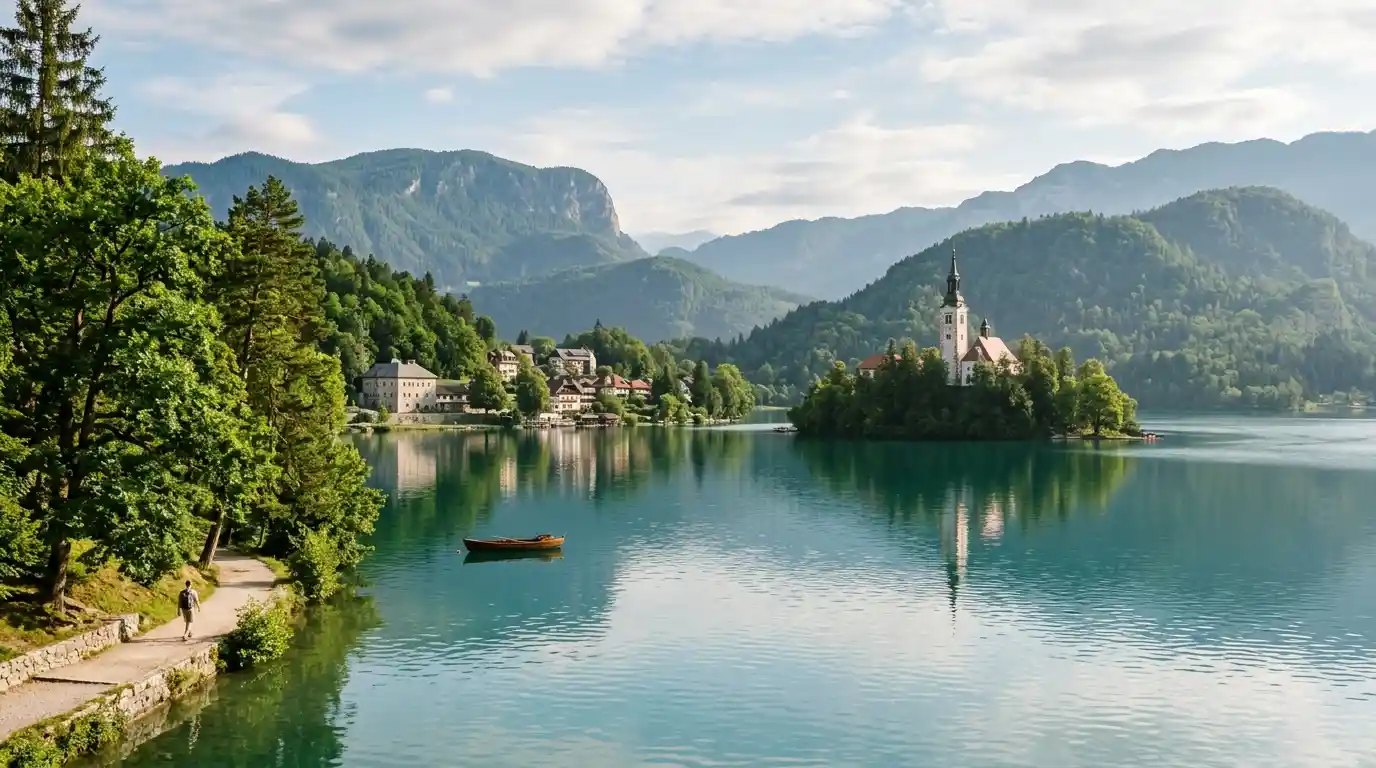
Lake Bled is an appealing choice for travelers seeking a combination of mountain scenery, gentle outdoor activities, and a compact destination that is easy to explore. The lake’s clear water, surrounding forested hills, and small island create an inviting setting for an unhurried holiday.
Walking along the lakeside path is one of the simplest ways to experience the area. Visitors can stop for photographs, enjoy views of Bled Island, or take a traditional boat ride when conditions permit. The surrounding region also offers viewpoints and quieter walking routes for travelers who want to spend more time outdoors.
For a restful stay, choose accommodation within walking distance of the lake and leave enough time to enjoy the scenery without arranging multiple excursions every day. Late spring and early autumn can offer a pleasant balance of comfortable weather and outdoor activities, although visitor numbers vary.
2. The Algarve, Portugal: Coastal Calm and Scenic Beaches
Portugal’s Algarve region is known for its dramatic cliffs, sandy beaches, fishing towns, and Atlantic coastline. While some resort areas become busy during summer, smaller coastal communities and visits outside peak holiday periods can provide a quieter experience.
Travelers can spend their mornings walking along coastal trails, exploring traditional town centers, or relaxing at a beach café. Sheltered coves and scenic viewpoints make the region particularly attractive to people who enjoy nature without needing an intensive sightseeing schedule.
Consider staying in one town rather than changing hotels frequently. This approach reduces packing and transportation time while leaving room for leisurely meals and spontaneous walks. The shoulder seasons can be especially appealing, but sea conditions and local opening hours should be checked before planning specific activities.
3. The Greek Islands: Slow Days in Naxos and Amorgos
For travelers who associate relaxation with island life, the Greek islands offer a blend of coastal scenery, traditional villages, and long meals enjoyed at an easy pace. Naxos combines sandy beaches with agricultural landscapes and historic settlements, while Amorgos offers rugged scenery and a quieter atmosphere in many areas.
In Naxos, visitors can divide their time between swimming, wandering through old streets, and exploring villages inland. Amorgos is suited to travelers who appreciate dramatic coastal views, peaceful village settings, and scenic walks. Some routes are steep, so it is worth choosing activities that match your preferred level of physical effort.
Island travel requires a little planning because ferry schedules, weather, and seasonal services can affect connections. Allow a buffer between transport connections and avoid squeezing several islands into a short trip. One island explored slowly can feel more restorative than a complicated itinerary.
4. Lake Geneva, Switzerland: Elegant Scenery and Easy Excursions
Lake Geneva combines waterfront promenades, mountain views, vineyard landscapes, and well-connected towns. It suits travelers who want beautiful surroundings without giving up convenient transportation, comfortable accommodation, or access to restaurants and cultural attractions.
Spend time walking beside the lake, taking a short boat trip, or exploring the lakeside towns at a relaxed pace. Depending on your base, vineyard paths and nearby viewpoints can provide peaceful alternatives to busier city attractions.
Switzerland can be expensive, so a relaxing trip benefits from setting a realistic budget in advance. Compare accommodation locations, consider public transportation, and plan a few simple outdoor activities rather than relying entirely on costly excursions. Travelers considering a colder-weather trip can also explore these Swiss destination options before choosing a base.
5. The Dolomites, Italy: Mountain Views and Restorative Nature
The Dolomites are an excellent choice for travelers who find relaxation in dramatic mountain scenery, alpine meadows, forest paths, and quiet evenings in mountain villages. The region offers a wide range of experiences, from gentle valley walks to demanding hiking routes.
For a less strenuous visit, choose a village with convenient access to walking paths and lifts that operate during your travel dates. Enjoy scenic drives where appropriate, stop at mountain viewpoints, and allow plenty of time for meals with views of the surrounding peaks.
Summer is popular for hiking, while winter attracts visitors interested in snow sports and snowy landscapes. Conditions can change quickly in the mountains, so select routes according to your experience and check local weather and trail information. Avoid planning a packed schedule that requires long drives between valleys every day.
6. Tuscany and Umbria, Italy: Countryside Living at a Slower Pace
The Italian regions of Tuscany and Umbria are ideal for travelers who prefer rolling hills, historic villages, local food, and peaceful countryside accommodation. Instead of trying to visit every famous city, choose a rural base and explore nearby places through short day trips.
In Tuscany, the countryside around smaller hill towns offers vineyard views, winding roads, and opportunities to enjoy local cuisine. Umbria provides a similarly appealing atmosphere, with medieval settlements, green landscapes, and a strong sense of regional character.
A countryside stay works particularly well when the accommodation itself is part of the experience. Look for a guesthouse or agriturismo with outdoor space, and leave room in your schedule for an extended lunch or an evening stroll. For destination planning, see this guide to places to visit in Tuscany and Umbria.
7. The Black Forest, Germany: Forest Trails and Cozy Villages
Southwestern Germany’s Black Forest is a rewarding destination for people who enjoy wooded landscapes, traditional villages, scenic drives, and outdoor activities. Forest trails, small lakes, and countryside guesthouses create a setting that feels different from the busier capitals and major tourist cities.
Choose a base near the walking routes and attractions you most want to experience. Some travelers may prefer gentle woodland paths and village cafés, while others may enjoy longer hikes or exploring local towns. A flexible plan makes it easier to adjust activities according to the weather.
The region changes considerably with the seasons. Spring and summer bring greener landscapes, autumn offers colorful foliage, and winter can bring snow to higher elevations. If this type of scenery appeals to you, explore these places to visit in the Black Forest when organizing your itinerary.
8. The Lake District, England: Quiet Lakes and Gentle Walks
England’s Lake District is a natural choice for travelers who want lakeside scenery, stone villages, rolling hills, and a holiday centered on walking and relaxation. The area includes well-known lakes as well as smaller settlements where visitors can enjoy local cafés and traditional accommodation.
You do not need to complete a demanding hike to appreciate the region. Choose a lakeside walk, take a boat trip where available, or spend an afternoon exploring a village. Travelers with limited mobility or those who prefer less physical activity can plan around accessible attractions and shorter routes.
Rain is possible throughout the year, and popular areas can become busy during school holidays. Booking accommodation in advance and keeping a few indoor alternatives available can make the experience more comfortable. For a wider British itinerary, consider other places to visit along the UK’s east coast.
9. The South of Sweden: Lakeside Retreats and Unhurried Days
Southern Sweden appeals to visitors who enjoy forests, lakes, coastal villages, and a relaxed outdoor lifestyle. The region offers opportunities for nature walks, cycling, quiet waterfront stays, and visits to small towns without the intensity of a large-city itinerary.
Summer is attractive for long daylight hours and outdoor exploration. During other seasons, travelers may enjoy quieter landscapes, cozy accommodation, and local cultural experiences, although daylight and weather should shape daily plans.
Choose a base that allows you to enjoy nearby nature without extensive daily travel. Simple activities such as walking through woodland, visiting a local market, or spending an afternoon beside a lake can be more memorable than a long list of attractions. Explore these places to visit in southern Sweden to develop a suitable route.
10. Swedish Lapland: Remote Landscapes and Peaceful Wilderness
Swedish Lapland is a strong option for travelers who want open landscapes, forests, expansive skies, and a sense of distance from busy urban life. Depending on the season and location, visitors can experience summer hiking, autumn colors, winter activities, and opportunities to see the northern lights.
Because distances are substantial and weather can be challenging, careful planning matters. Choose accommodation with convenient access to the experiences you want, check transport arrangements, and avoid assuming that every activity operates year-round.
Remote travel can feel restorative when the itinerary is realistic. Build in time for rest, warm meals, and enjoying the surroundings instead of treating every day as an excursion. You can compare ideas in this guide to the best places to visit in Swedish Lapland.
11. Normandy and Brittany, France: Coastal Villages and Historic Charm
Normandy and Brittany offer a mix of rugged coastline, traditional towns, historic architecture, and rural scenery. These regions suit travelers who enjoy coastal walks, local food, heritage sites, and days that combine gentle exploration with time to relax.
Rather than attempting to cover both regions in a short stay, choose a convenient base and focus on nearby coastal towns and countryside. Enjoy a local market, walk along the shore when conditions are safe, and leave enough time for meals without rushing to the next attraction.
Weather can be changeable, particularly along exposed stretches of coast. Pack layers, check local conditions, and keep a flexible itinerary. For broader route planning, explore these places to visit in Normandy and Brittany.
12. Southern Italy: Coastal Views and Traditional Towns
Southern Italy can provide a rewarding combination of warm-weather scenery, historic town centers, regional cuisine, and coastal landscapes. Travelers looking for a slower experience can focus on one area instead of trying to cover multiple regions in a single trip.
Spend mornings exploring a town before the busiest part of the day, enjoy a leisurely lunch, and reserve afternoons for the beach, a scenic viewpoint, or a relaxed walk. In popular coastal destinations, visiting outside the busiest summer weeks may make transportation and accommodation easier to manage.
Some coastal routes include steep streets and steps, so consider your mobility needs when choosing where to stay. This overview of places to visit in southern Italy can help you identify areas that fit your travel style.
13. Barcelona, Spain: A Relaxing City Break by the Sea
Not every peaceful European holiday needs to take place in the countryside. Barcelona can work well for travelers who enjoy architecture, urban beaches, food markets, and neighborhood walks, provided they balance popular attractions with quieter activities.
Start the day with a relaxed breakfast, visit one major attraction, and spend the remaining time wandering through a neighborhood or resting by the waterfront. Parks, cafés, and seaside promenades offer opportunities to slow down between sightseeing activities.
Barcelona is a major tourist destination, so central areas can be crowded during peak periods. Stay near public transportation, book essential attractions in advance, and avoid scheduling several distant activities on the same day. For additional planning ideas, read about the most popular places to visit in Barcelona.
14. Scotland: Peaceful Countryside, Lochs, and Scenic Villages
Scotland offers lochs, rugged coastlines, green valleys, historic villages, and wide-open landscapes that appeal to travelers seeking a slower pace. Rural areas can be particularly rewarding for visitors who enjoy photography, gentle walking, and evenings in small inns or countryside accommodation.
Build a trip around one region rather than crossing the country every day. A few nights in a single base can create more opportunities to enjoy local scenery and respond to changing weather. If driving, account for narrow rural roads and longer journey times than the map may suggest.
Weather can change rapidly, so pack waterproof layers and keep flexible alternatives available. Travelers planning a wider trip through Britain can also compare options in this guide to the best places to visit in Scotland.
15. Germany’s Countryside: Historic Towns and Scenic Landscapes
Beyond Germany’s largest cities, smaller towns and rural areas offer a different kind of holiday, with historic streets, riverside walks, forests, and traditional places to eat. Travelers can combine cultural experiences with outdoor time without needing to change accommodation every night.
Choose destinations with convenient rail or local transport connections if you prefer not to drive. Spend time exploring the old town, visiting a local park, or taking a short countryside excursion. A slower itinerary also leaves room to discover smaller attractions that are not part of a typical rushed sightseeing schedule.
Germany’s regions vary widely, from wooded hills to river valleys and historic market towns. Use these guides to places to visit in Germany and Germany’s notable destinations to narrow down your preferred area.
16. The Scottish and English Countryside: A Slower Alternative to Big Cities
Travelers who want a restful British holiday can focus on countryside villages, historic landscapes, and short walking routes instead of spending the entire trip in major cities. Small towns often provide a convenient base for visiting nearby gardens, heritage attractions, and scenic viewpoints.
Look for accommodation with easy access to local amenities so that every meal or outing does not require a long drive. Check seasonal transport schedules and attraction opening times before booking, particularly when traveling outside the main holiday period.
For a city-based trip with a more budget-conscious approach, London’s free attractions can complement a slower itinerary. Explore these free places to visit in London if you want to balance sightseeing with time to rest.
17. Europe in Winter: Quiet Landscapes and Cozy Getaways
Winter can be a rewarding season for travelers who prefer atmospheric towns, snowy mountain scenery, seasonal food, and quieter experiences outside major holiday dates. However, not every destination is equally convenient in winter, and daylight hours, weather, and transport availability should guide your plans.
Mountain destinations may appeal to visitors who enjoy snow-covered scenery, while cities and historic towns can offer museums, cafés, and cultural activities during colder days. Choose accommodation close to the places you plan to visit, and avoid building a schedule that depends on perfect weather.
Before booking, compare seasonal conditions, transport connections, and the activities available at your destination. These guides to European winter destinations, places to visit in Europe in January, Switzerland in winter, and Swiss winter travel offer additional ideas for seasonal planning.
How to Plan a Truly Relaxing European Vacation
The destination matters, but the way you organize your trip can have just as much influence on how relaxing it feels. A beautiful place may become exhausting if every day involves early departures, long transfers, and multiple reservations.
Choose One or Two Bases
Staying several nights in one location reduces packing, check-in procedures, and transport connections. If you want to explore a wider region, select a base with convenient access to the places you most want to see.
Travel During Shoulder Seasons
Spring and early autumn can offer pleasant temperatures and fewer visitors in many European destinations. Conditions differ by region, however, so check local weather, seasonal services, and event calendars before choosing dates.
Leave Free Time in the Itinerary
Plan one main activity per day and leave room for a leisurely meal, a scenic walk, or an afternoon without commitments. This flexibility is particularly valuable when weather changes or an unexpected local experience becomes the highlight of your trip.
Set a Comfortable Budget
Financial uncertainty can add unnecessary pressure to a holiday. Estimate the cost of accommodation, transport, meals, and activities before departure. Travelers seeking lower-cost options can compare destinations in this guide to affordable places to visit in Europe.
Match Activities to Your Energy Level
A peaceful holiday does not need to involve strenuous hikes or full-day excursions. Choose accessible walks, waterfront cafés, gardens, scenic train rides, or cultural attractions according to your interests and physical comfort.
Prioritize Convenient Accommodation
Staying near a town center, public transportation, or your preferred natural setting can reduce unnecessary travel. Read recent property information carefully, check accessibility details where needed, and consider whether a quiet location matters more to you than being close to nightlife.
Frequently Asked Questions
What is the most relaxing place to visit in Europe?
There is no single best destination for everyone. Lake Bled suits travelers who enjoy lakes and mountain scenery, the Algarve appeals to beach lovers, and Tuscany and Umbria are attractive for countryside stays and food-focused travel. The right choice depends on your budget, preferred activities, mobility, and travel season.
Which European destinations are best for a quiet vacation?
Smaller villages, rural guesthouses, lakeside towns, and less-visited coastal areas can provide a quieter experience. The Algarve outside peak periods, parts of southern Sweden, the Black Forest, and the countryside of Tuscany and Umbria are worth considering.
What is the best time to visit Europe for a relaxing holiday?
Spring and early autumn are good starting points for many destinations because temperatures can be comfortable and some areas are less crowded than during peak summer. The best period varies by region, particularly for islands, mountain resorts, and northern destinations.
Can I enjoy a relaxing European vacation on a budget?
Yes. Choose one base, travel by public transportation where practical, book accommodation early, and combine free outdoor activities with a few paid experiences. Visiting outside peak holiday periods may also help control costs.
Are relaxing European destinations suitable for older travelers?
Many are, particularly towns with convenient transportation, comfortable accommodation, and relatively level walking routes. Check hills, stairs, transfer distances, accessibility facilities, and access to essential services before booking.
How many days should I spend in a relaxing European destination?
Three to five days can work well for a compact town or a short countryside escape, while a week or longer provides more time to explore a region without rushing. Remote islands and mountain areas may require extra time for transportation and weather flexibility.
Final Thoughts
The most relaxing places to visit in Europe are those that allow you to travel at a pace that feels comfortable. Whether you prefer the calm waters of Lake Bled, the coastal landscapes of Portugal, the villages of Italy, or the forests of Sweden and Germany, the best experience often comes from choosing fewer destinations and spending more time in each one.
Plan around your interests, choose accommodation that makes daily activities convenient, and leave enough space in your itinerary for spontaneous discoveries. With a thoughtful approach, a European vacation can become an opportunity to enjoy beautiful surroundings, experience local culture, and return home feeling refreshed.