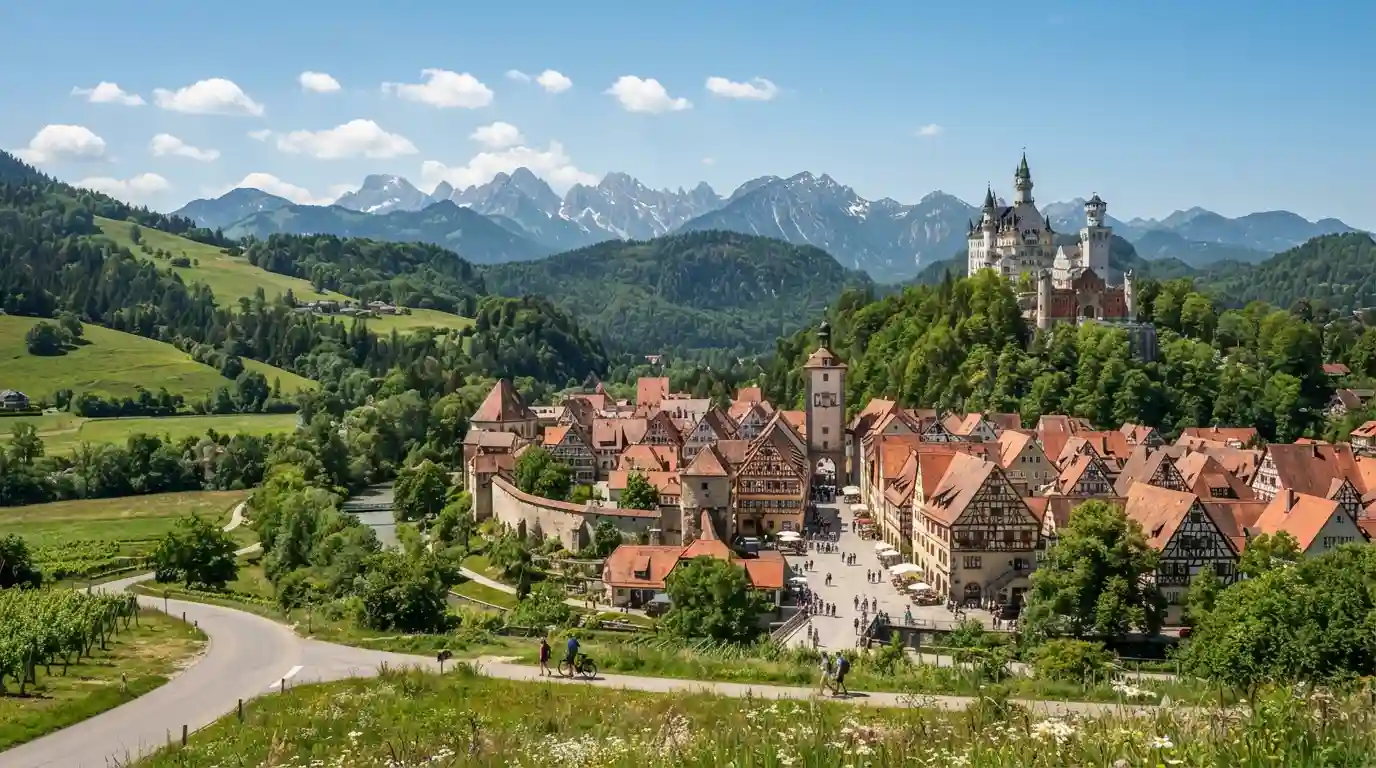
From the energy of Berlin and Munich to the romantic scenery of the Rhine Valley and the storybook landscapes of Bavaria, choosing where to go can be difficult. This guide explores some of the best places to visit in Germany and explains what makes each destination worth adding to your itinerary.
If you are also planning a broader European trip, you may want to explore our guides to Germany’s best destinations, places to visit in Germany, and other European travel ideas before finalizing your route.
1. Berlin
Berlin is an excellent starting point for travelers who want to experience Germany’s history, culture, architecture, museums, food, nightlife, and contemporary creative scene in one city. The capital combines historic landmarks with modern neighborhoods, making it especially appealing for first-time visitors.
Highlights include the Brandenburg Gate, Museum Island, the Reichstag area, Berlin Wall landmarks, historic neighborhoods, public parks, galleries, and lively food markets. Berlin is also a useful base for exploring nearby destinations in Brandenburg.
Allow at least three days if you want to experience the major attractions without rushing. Travelers interested in history and museums may want even longer.
2. Munich
Munich offers a different side of Germany, with elegant architecture, Bavarian traditions, historic squares, museums, beer gardens, and easy access to the Alps. The city is particularly attractive for travelers who want to combine urban sightseeing with outdoor adventures.
Marienplatz, the historic center, English Garden, museums, and nearby palaces provide plenty to explore. Munich is also a convenient base for day trips into southern Bavaria.
If you enjoy mountain scenery and winter landscapes, consider combining Munich with other destinations covered in our guide to the best places to visit during winter in Europe.
3. Heidelberg
Heidelberg is one of Germany’s most atmospheric historic cities. Its old town, river setting, historic bridge, and hilltop castle create a classic European travel experience.
The city works particularly well for travelers who prefer walking through historic streets rather than spending an entire trip inside major metropolitan areas. The Neckar River and surrounding hills also add plenty of opportunities for scenic views and relaxed walks.
Heidelberg can be visited as a day trip, but staying overnight allows you to experience the old town after the busiest daytime hours.
4. Cologne
Cologne is best known for its enormous Gothic cathedral, but the city offers much more than a single landmark. The Rhine waterfront, historic center, museums, bridges, neighborhoods, and lively cultural atmosphere make Cologne a strong choice for a city break.
The city is also well positioned for travelers interested in exploring western Germany and nearby European destinations. If you are building a multi-country itinerary, you can compare Germany with other European destinations in our guide to the best places to visit in Europe for cheap.
5. Hamburg
Hamburg brings a maritime character to a Germany itinerary. The city is known for its harbor, canals, historic warehouse district, waterfront architecture, shopping areas, museums, and distinctive northern German atmosphere.
It is an excellent destination for travelers who want something different from the traditional Bavaria-focused image of Germany. Spend time around the harbor, explore the historic center, and discover the city’s diverse neighborhoods.
6. Dresden
Dresden combines impressive architecture, art, history, and an attractive riverside setting. The historic center features some of the city’s most recognizable buildings, while museums and cultural institutions make Dresden particularly appealing to travelers interested in European heritage.
The city also works well as part of a broader eastern Germany itinerary. Travelers who enjoy historic European architecture can pair Dresden with other cultural destinations instead of limiting their trip to Germany’s largest cities.
7. Rothenburg ob der Tauber
Rothenburg ob der Tauber is one of the most memorable medieval towns in Germany. Its preserved walls, narrow streets, timber-framed buildings, towers, and historic squares give visitors the feeling of stepping into a storybook setting.
The town is especially attractive to photographers, couples, families, and travelers looking for traditional architecture. It is also associated with Germany’s famous Romantic Road, making it an ideal stop on a road trip through Bavaria.
8. The Black Forest
The Black Forest is a natural highlight for travelers who want forests, mountain scenery, traditional villages, hiking routes, and peaceful landscapes. The region offers a very different experience from Germany’s major cities.
Outdoor enthusiasts can spend their time hiking, cycling, exploring villages, and enjoying panoramic viewpoints. If you are particularly interested in this region, see our dedicated guide to the best places in the Black Forest to visit.
The Black Forest can also be incorporated into a longer European nature-focused itinerary, particularly during spring, summer, and autumn.
9. Neuschwanstein Castle and the Bavarian Alps
Neuschwanstein Castle is one of Germany’s most recognizable attractions. Set against a dramatic alpine backdrop, the castle and surrounding landscape are especially appealing to travelers interested in architecture, photography, history, and mountain scenery.
The surrounding Bavarian Alps provide additional opportunities for hiking, sightseeing, scenic drives, and outdoor activities. Travelers visiting southern Germany should consider leaving enough time to explore beyond the castle itself.
10. The Rhine Valley
The Rhine Valley is ideal for travelers who enjoy river landscapes, castles, vineyards, historic towns, and scenic routes. The combination of water, hills, villages, and historic architecture makes this one of Germany’s most visually appealing travel regions.
A Rhine itinerary can be particularly enjoyable by combining several towns rather than staying in one location. Scenic viewpoints, riverside walks, historic castles, and local food make the region suitable for couples, families, and slow travelers.
11. Nuremberg
Nuremberg offers a fascinating mixture of medieval architecture, museums, historic streets, cultural attractions, and traditional Bavarian character. The city’s old town is particularly rewarding for travelers who enjoy exploring historic centers on foot.
Nuremberg is also an excellent destination during the festive season because of its long association with traditional Christmas markets. However, its historic attractions make it worthwhile throughout the year.
12. Frankfurt
Frankfurt is often recognized for its modern skyline and financial district, but the city also has historic neighborhoods, museums, riverfront areas, restaurants, and cultural attractions.
Its major transport connections make Frankfurt a practical entry point for travelers exploring several parts of Germany. You can spend time in the city before continuing toward the Rhine, Bavaria, or other European destinations.
13. Garmisch-Partenkirchen
For dramatic alpine scenery, Garmisch-Partenkirchen is one of the strongest choices in southern Germany. The destination is surrounded by mountains and offers opportunities for hiking, scenic sightseeing, winter sports, and outdoor recreation.
It is particularly attractive during the colder months, when the surrounding mountains create a classic winter landscape. If you are comparing Germany with other cold-weather destinations, our guide to the best place to visit in Switzerland in winter provides another European option.
14. Quedlinburg
Quedlinburg is a beautiful historic town known for its traditional half-timbered architecture and old-world atmosphere. It is a strong choice for travelers who want to experience a smaller German destination rather than focusing entirely on major cities.
The compact historic environment makes the town well suited to relaxed walking, photography, architecture-focused trips, and short cultural breaks.
15. Cochem and the Moselle Valley
Cochem offers another picturesque side of Germany, with a historic town center, riverside setting, surrounding vineyards, and a striking hilltop castle. The Moselle Valley is particularly appealing for travelers who enjoy scenic road trips and slower-paced European travel.
Instead of treating Cochem as a quick stop, consider exploring the surrounding valley and nearby towns. The region is especially attractive when the vineyards and river landscape are at their most vibrant.
16. Berchtesgaden and Königssee
Berchtesgaden is an excellent destination for travelers who prioritize nature and alpine scenery. The surrounding landscape includes mountains, forests, valleys, and spectacular lakes.
Königssee is one of the region’s standout natural attractions, offering dramatic mountain scenery around a clear alpine lake. The area is especially suitable for hiking, photography, sightseeing, and peaceful outdoor experiences.
17. Baden-Baden
Baden-Baden offers a more relaxed experience, combining elegant architecture, wellness traditions, parks, and access to the surrounding Black Forest. It can be a good choice for travelers who want to slow down after visiting Germany’s larger cities.
Its location also makes it convenient for combining urban sightseeing with countryside exploration. Travelers interested in nature can pair it with the Black Forest destinations mentioned earlier.
18. Trier
Trier is one of Germany’s most interesting destinations for travelers fascinated by ancient history and historic architecture. The city contains a remarkable collection of Roman-era and later architectural landmarks.
Its location near the Moselle region also makes Trier useful for travelers planning a route through western Germany. It can be combined with scenic river towns and vineyard areas for a more varied itinerary.
How to Choose the Best Places to Visit in Germany
The right destinations depend on the type of trip you want to create. First-time visitors may prefer a combination of Berlin, Munich, and one or two scenic regions. Travelers interested in medieval architecture may enjoy Rothenburg ob der Tauber, Heidelberg, Quedlinburg, and Cochem.
Nature lovers should prioritize the Black Forest, Bavarian Alps, Berchtesgaden, Königssee, and the Rhine or Moselle landscapes. Those interested in museums and culture can build an itinerary around Berlin, Dresden, Munich, Frankfurt, and Cologne.
If you want to extend the trip beyond Germany, consider connecting your route with other European destinations. Our guides to the best places to visit in Europe in January, winter destinations in Europe, and the most relaxing places to visit in Europe can help with broader itinerary planning.
Best Time to Visit Germany
Germany can be visited throughout the year, but the best season depends on your priorities. Spring brings comfortable conditions and blooming landscapes, while summer is popular for outdoor sightseeing and longer daylight hours.
Autumn is particularly attractive for scenic regions, forests, vineyards, and historic towns. Winter creates a different experience, especially for travelers interested in Christmas markets, snowy landscapes, and alpine activities.
If your trip is specifically focused on colder destinations, our guides to winter travel in Switzerland and Swedish Lapland can provide additional European inspiration.
Tips for Planning a Germany Trip
- Choose a few regions rather than trying to see the entire country in one short trip.
- Combine major cities with smaller towns and scenic areas for a more balanced experience.
- Allow extra time for day trips and countryside exploration.
- Check seasonal conditions when planning mountain and outdoor activities.
- Use Germany’s major cities as practical bases for exploring nearby destinations.
- Consider a rail-based itinerary if you want to connect several major destinations without driving.
- Book popular accommodation and attractions ahead of time during busy travel periods.
- Leave some flexibility in your schedule so you can explore neighborhoods and smaller towns at a relaxed pace.
Germany and the Wider European Travel Experience
One of the biggest advantages of visiting Germany is its variety. You can experience historic cities, medieval towns, forests, alpine landscapes, rivers, castles, museums, and modern cultural districts without needing to stay in one type of destination.
Germany also fits naturally into a larger European itinerary. Travelers who want to continue their journey can explore nearby countries and regions using our guides to Switzerland, Scotland, Normandy and Brittany, Tuscany and Umbria, and southern Italy.
Final Thoughts
The best places to visit in Germany range from energetic cities and historic towns to dramatic mountains, peaceful forests, river valleys, and storybook castles. Berlin and Munich are excellent choices for first-time visitors, while destinations such as Heidelberg, Rothenburg ob der Tauber, the Black Forest, Cochem, Quedlinburg, and Berchtesgaden provide a deeper look at Germany’s regional character.
Rather than trying to see everything, build your itinerary around the experiences you value most. A carefully planned combination of cities, historic towns, and natural landscapes can turn a Germany trip into a memorable European adventure.